Quote · Added 11 August 2023
Conquer yourself rather than the world.
René DescartesDiscourse on the Method, Part III, 1637
No ratings yet
Filed underself·mastery·introspection
Quote · Added 11 August 2023
Filed underself·mastery·introspection
We live in an age obsessed with external wins—more followers, bigger salary, that promotion, the perfect home. Yet Descartes points to something most of us discover the hard way: you can accumulate victories in the world and still feel incomplete. The real bottleneck isn't out there. It's the gap between who you want to be and how you actually show up.
Conquering yourself means noticing patterns you can't seem to break. The anger you regret after it's gone. The procrastination that sabotages your work. The way you shrink around certain people. It's unglamorous work—nobody celebrates it on social media—but it compounds in ways external achievements rarely do. Someone who masters their attention, their impulses, their self-doubt becomes remarkably effective at almost anything they attempt.
The non-obvious part? Self-conquest isn't about willpower or perfection. It's about understanding yourself well enough to work with your actual nature instead of against it. That takes more courage than most external battles, because you can't blame circumstances or other people. But the freedom on the other side—moving through life with less internal friction—makes everything else easier.
1596–1650·lived 53 years
René Descartes was a French philosopher, mathematician, and scientist known as the "Father of Modern Philosophy". He is famous for his statement "Cogito, ergo sum" (I think, therefore I am), and for his contributions to the development of analytic geometry. Descartes' works laid the foundation for rationalism and had a significant impact on Western philosophy.
Also by René Descartes
It is not enough to have a good mind. The main thing is to use it well.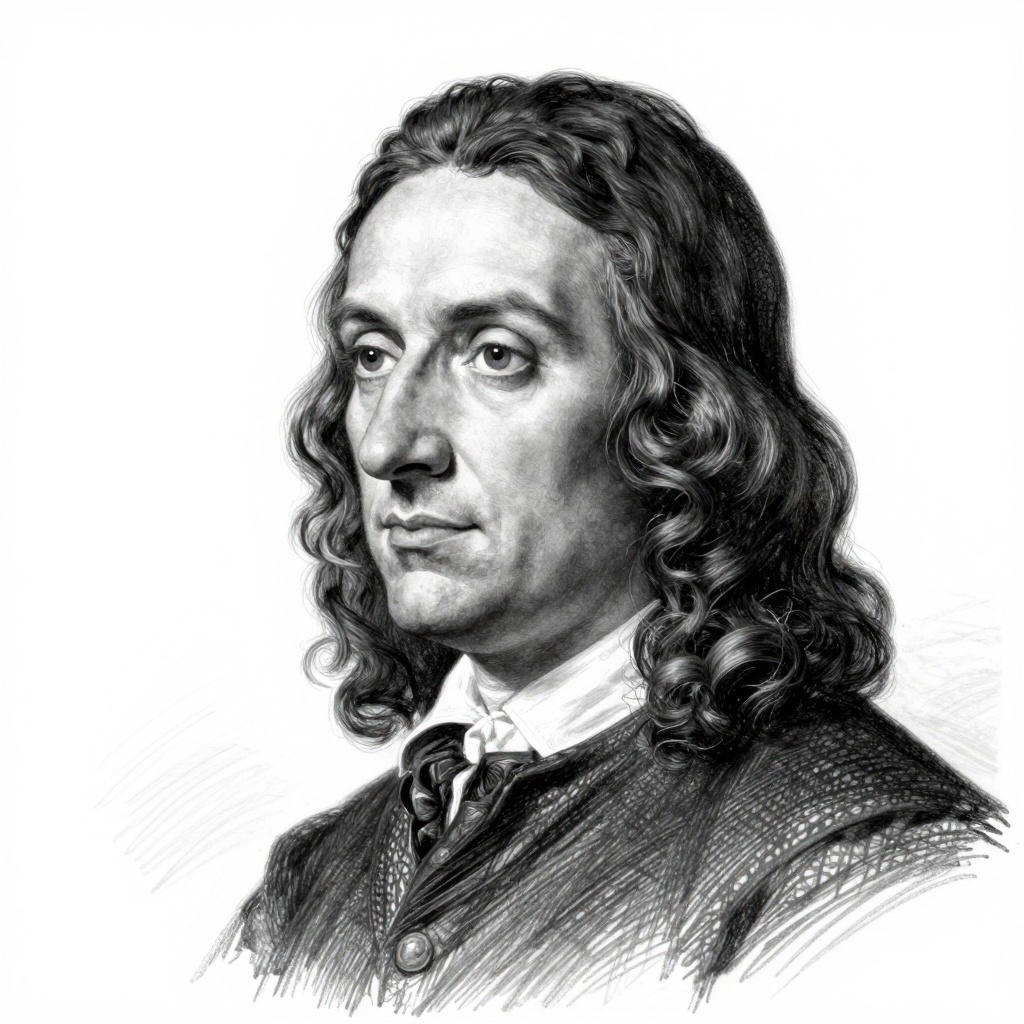
Comments