Quote · Added 10 February 2026
Few people even scratch the surface, much less exhaust the contemplation of their own experience.
Randolph BourneYouth and Life
Filed underexperience·contemplation·depth
Quote · Added 10 February 2026
Filed underexperience·contemplation·depth
We live inside our own lives but rarely actually live inside them. We move through days, rack up experiences, collect memories—and then rarely stop to ask what any of it actually means. Most people treat their own existence like a museum they walk through quickly, checking boxes, moving on. The real work of understanding what happened to you, why you felt what you felt, what patterns keep showing up—that takes actual time and usually some discomfort.
This matters more now than maybe ever. We're drowning in new experiences, constantly distracted, which makes shallow living feel normal. But the people who do stop and genuinely think about their own lives—their failures, their relationships, their recurring fears—tend to make better decisions and have fewer regrets. They see themselves clearly. Here's the surprising part: this isn't about being introspective or philosophical in some fancy way. It's just about noticing. Why did that conversation sting? What did I learn from that mistake? Who do I actually want to be? These aren't academic questions. They're the difference between sleepwalking through your thirties and actually becoming the person you meant to be.
1886–1918·lived 32 years
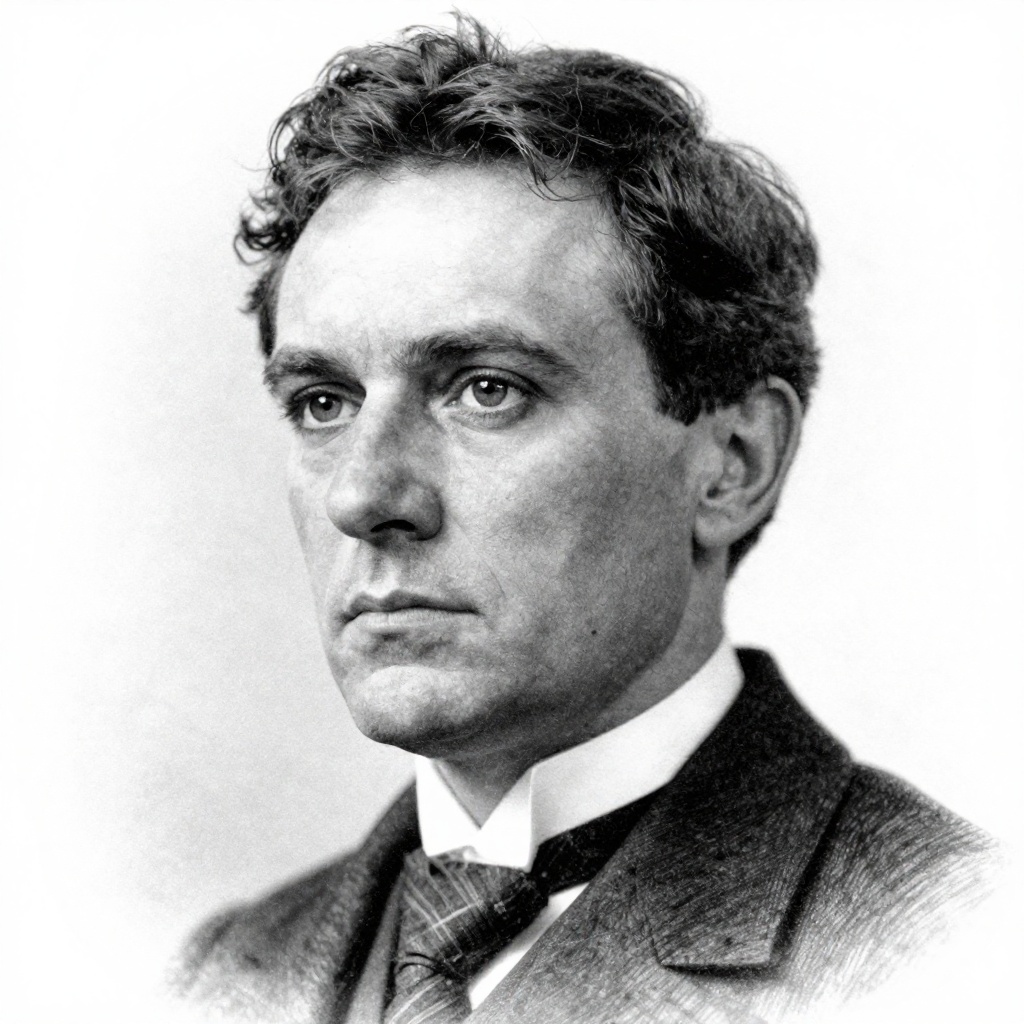
Randolph Bourne was an American writer and intellectual born on May 30, 1886, in Bloomfield, New Jersey. He is best known for his critique of nationalism and his advocacy for progressive social reform, as well as for his essays that explored themes of culture, war, and the role of the individual in society. Bourne's influential works, particularly during the early 20th century, continue to resonate in discussions of liberal thought and civil liberties.
Comments