Quote · Added 14 February 2026
Trust your instinct to the end, though you can render no reason.
Ralph Waldo EmersonEssays: First Series, Intellect, 1841
Quote · Added 14 February 2026
There's a tension we all live with: we're taught to justify everything, to have reasons lined up like ducks. Yet some of our best decisions come from a place we can't quite articulate. Emerson isn't telling you to ignore logic or act recklessly. He's pointing out that your instincts are data too—they're the accumulated wisdom of your experience, your body's quick calculations, the pattern recognition your conscious mind hasn't caught up to yet.
The tricky part is distinguishing real instinct from anxiety dressed up as intuition. Real instinct tends to arrive quietly and stick around. It's the moment you know something about a person before they've said much, or you sense a project won't work even though it looks good on paper. These feelings deserve weight in your decision-making, even when you can't produce a neat explanation. The world respects people who can back things up with reasons, but it's often moved by those who quietly trust themselves anyway.
What Emerson's really advocating for is a kind of intellectual humility—recognizing that not everything worth knowing can be reasoned into existence. Sometimes you have to act on what you sense, then figure out why later. The courage isn't in the instinct itself; it's in following it when everyone's asking you to explain.
1803–1882·lived 78 years
Ralph Waldo Emerson (1803–1882) was an American essayist, lecturer, and poet who led the Transcendentalist movement of the mid-19th century. He is known for his philosophical essays, particularly "Nature" and "Self-Reliance," which emphasize individualism, self-reliance, and the importance of nature as a spiritual force.
Also by Ralph Waldo Emerson
Be silly, be honest, be kind.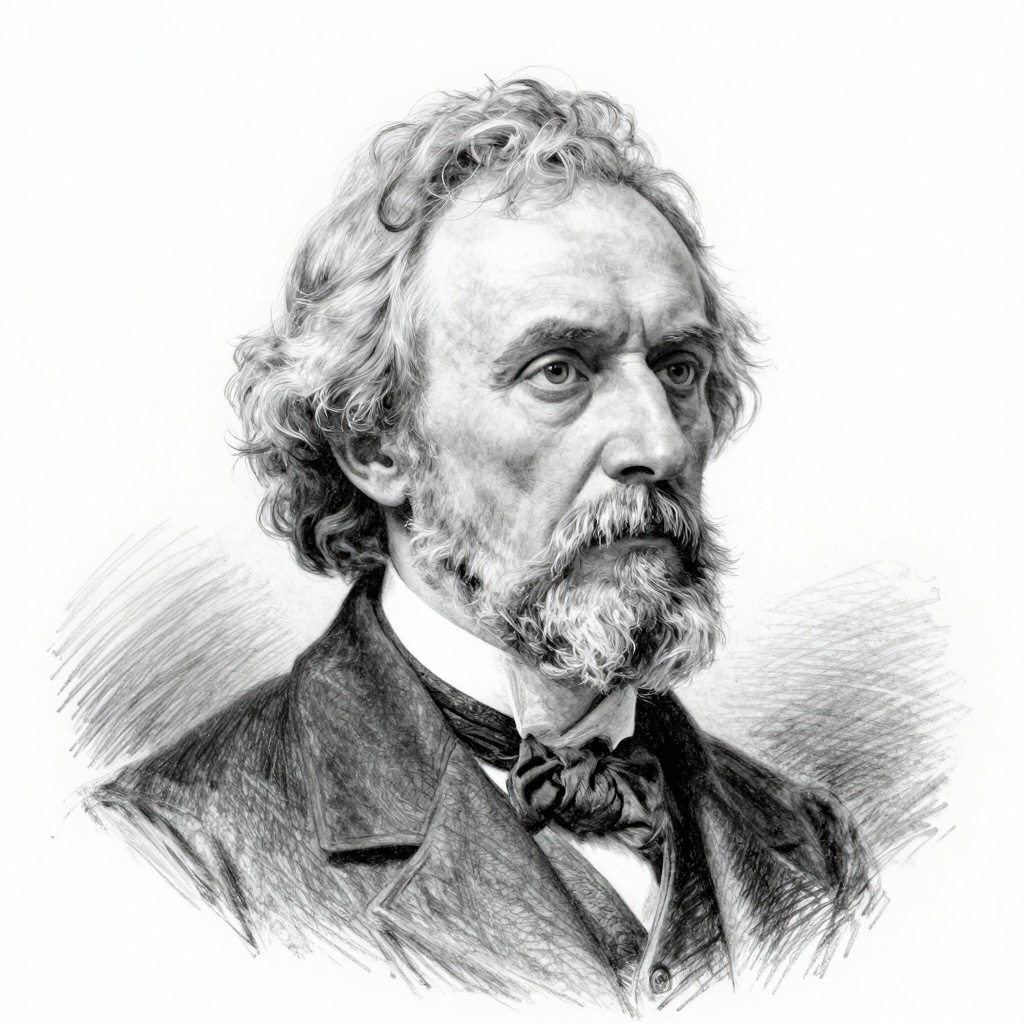
Comments