Quote · Added 14 February 2026
Trust men and they will be true to you; treat them greatly and they will show themselves great.
Ralph Waldo EmersonSelf-Reliance, 1841
Quote · Added 14 February 2026
There's something counterintuitive about this idea that we often get backwards. Most of us approach trust like a risky transaction—we wait for proof before we hand it over, treating it as something someone has to earn first. But Emerson is pointing at something psychology actually confirms: people tend to rise or fall toward the expectations we set for them. When you assume the best, you're not being naive—you're actually creating the conditions where people feel safe enough to become better.
The tricky part is that this works in reverse too. Walk into a room assuming people will disappoint you, and they often will. Treat someone like they're capable of something great, and something shifts in how they carry themselves. It's the reason a teacher who believes in a struggling kid can genuinely change their trajectory, or why a boss who trusts their team often gets genuine loyalty back. The dynamic isn't magical; it's just how human dignity works.
The real challenge isn't believing this in theory—it's actually doing it when you've been burned before, or when the world teaches you to be suspicious. Emerson isn't saying ignore red flags or be foolishly open with everyone. He's saying that with the people who matter, the leap of faith isn't weakness. It's often the only thing that actually changes the game.
1803–1882·lived 78 years
Ralph Waldo Emerson (1803–1882) was an American essayist, lecturer, and poet who led the Transcendentalist movement of the mid-19th century. He is known for his philosophical essays, particularly "Nature" and "Self-Reliance," which emphasize individualism, self-reliance, and the importance of nature as a spiritual force.
Also by Ralph Waldo Emerson
Be silly, be honest, be kind.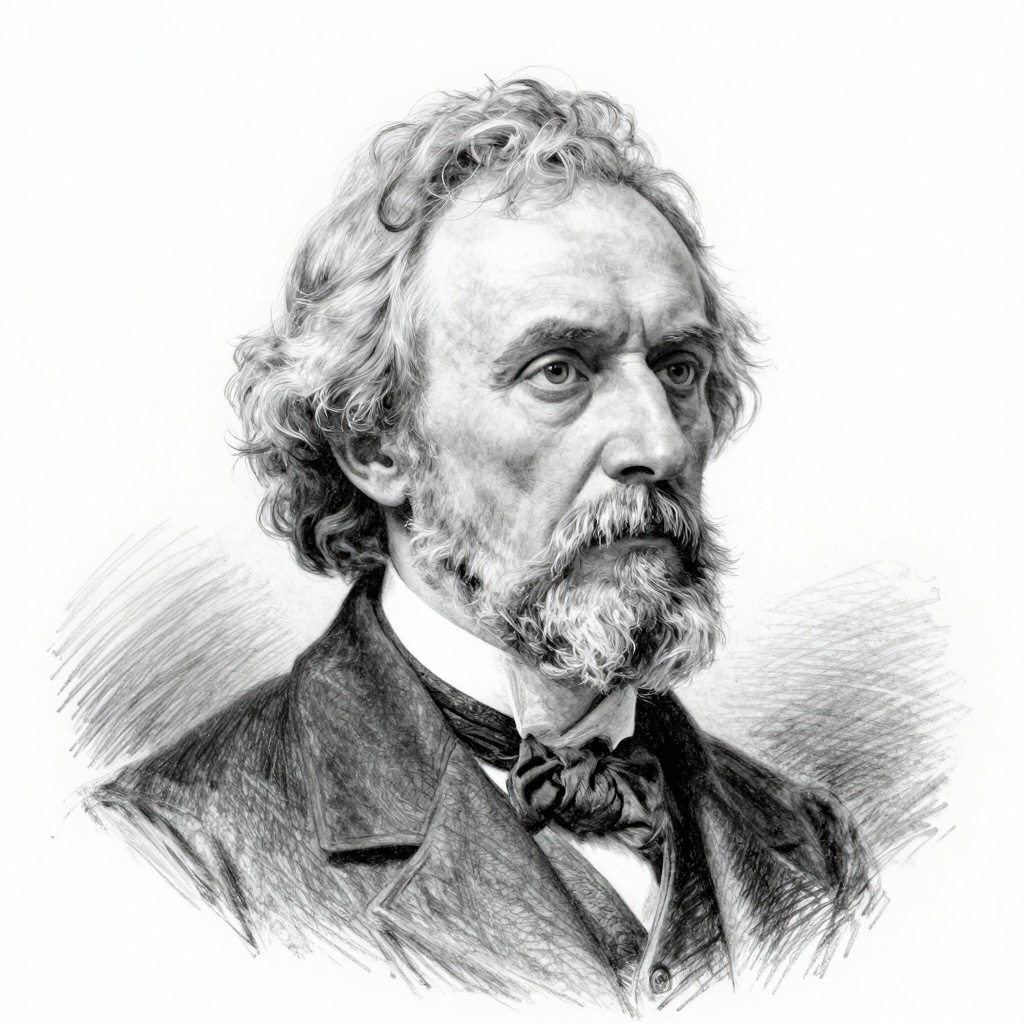
Comments