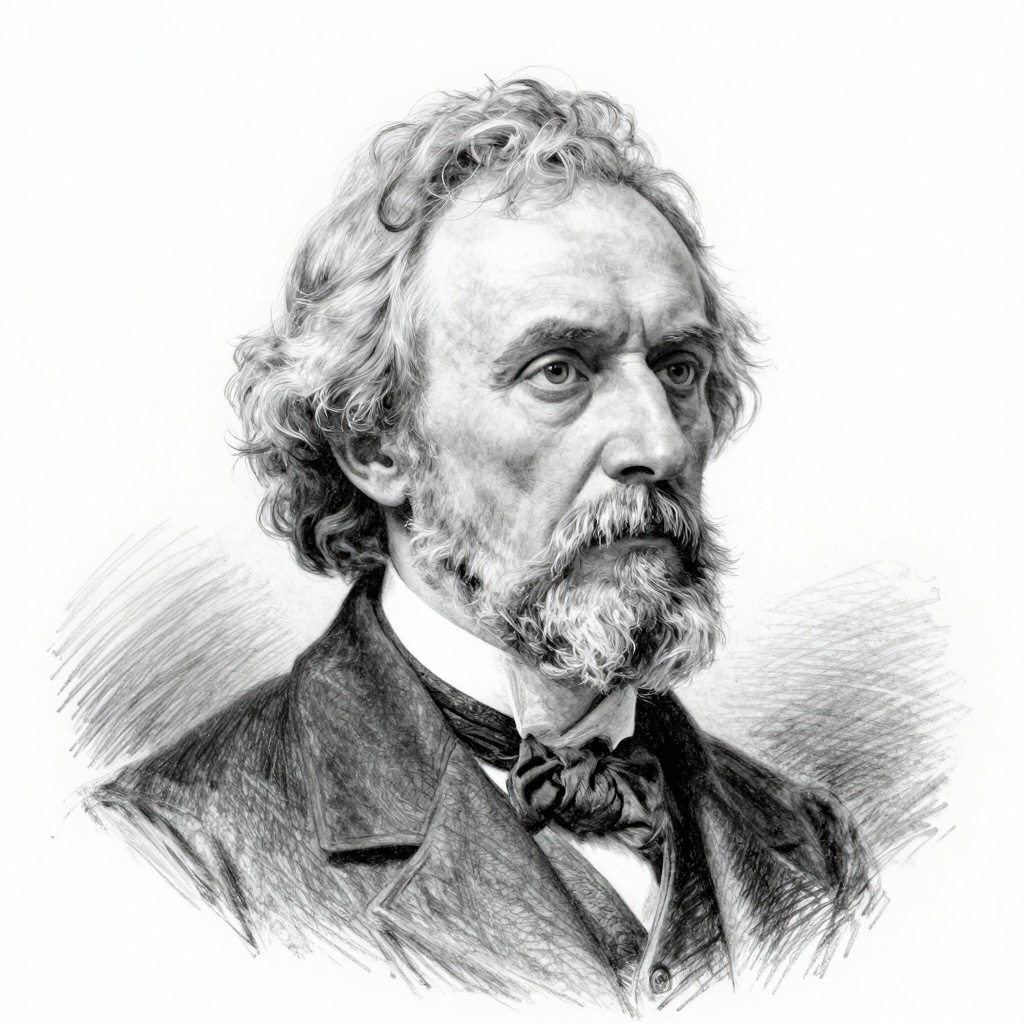
True humility is intelligent self respect which keeps us from thinking too highly or too meanly of ourselves.... — Ralph Waldo Emerson

True humility is intelligent self respect which keeps us from thinking too highly or too meanly of ourselves. It makes us modest by reminding us how far we have come short of what we can be. Ralph W.

Author: Ralph Waldo Emerson

Insight: Humility gets a bad rap. We often picture it as self-flagellation or false modesty—that uncomfortable performance where someone won't accept a compliment. But Emerson points to something sharper: real humility is actually a form of clear-eyed respect for yourself. It's not about diminishing yourself; it's about seeing yourself accurately. This matters because the opposite of humility isn't confidence—it's delusion. Someone who overestimates their abilities wastes energy and alienates people. Someone who underestimates themselves stays small out of fear disguised as realism. True humility sits in the middle, acknowledging both your real strengths and your real limitations. It lets you take yourself seriously without taking yourself too seriously. The interesting part is what Emerson adds: that humility works by reminding us of the gap between who we are and who we could become. It's not about shame over past mistakes; it's about recognizing potential. This transforms humility from a defensive crouch into something almost optimistic—a sober acknowledgment that you're not finished yet, that growth is still possible. That's the kind of humility that actually moves people forward.

The honest middle ground between arrogance and self-doubt

True humility is intelligent self respect which keeps us from thinking too highly or too meanly of ourselves. It makes us modest by reminding us how far we have come short of what we can be. Ralph W.

Humility gets a bad rap. We often picture it as self-flagellation or false modesty—that uncomfortable performance where someone won't accept a compliment. But Emerson points to something sharper: real humility is actually a form of clear-eyed respect for yourself. It's not about diminishing yourself; it's about seeing yourself accurately.

This matters because the opposite of humility isn't confidence—it's delusion. Someone who overestimates their abilities wastes energy and alienates people. Someone who underestimates themselves stays small out of fear disguised as realism. True humility sits in the middle, acknowledging both your real strengths and your real limitations. It lets you take yourself seriously without taking yourself too seriously.

The interesting part is what Emerson adds: that humility works by reminding us of the gap between who we are and who we could become. It's not about shame over past mistakes; it's about recognizing potential. This transforms humility from a defensive crouch into something almost optimistic—a sober acknowledgment that you're not finished yet, that growth is still possible. That's the kind of humility that actually moves people forward.

AI generated

Comments

Sign in to leave a comment or reply to one.

Sign in

Ralph Waldo Emerson

Ralph Waldo Emerson (1803–1882) was an American essayist, lecturer, and poet who led the Transcendentalist movement of the mid-19th century. He is known for his philosophical essays, particularly "Nature" and "Self-Reliance," which emphasize individualism, self-reliance, and the importance of nature as a spiritual force.

Graph

Related