Quote · Added 14 February 2026
The real and lasting victories are those of peace, and not of war.
Ralph Waldo EmersonEssay, 1860, Worship, The Conduct of Life, ch. 6
Quote · Added 14 February 2026
We're drawn to stories of triumph—the decisive victory, the moment when one side clearly wins. But Emerson points to something counterintuitive: the victories that actually stick around, that improve your life and stay improved, almost never come from conquest. A marriage strengthened through hard conversation outlasts one sustained by winning arguments. A career built on genuine skill and relationships beats one built on office politics and dominance. Even in your own head, the peace you make with your mistakes or fears does more for you than any harsh self-discipline ever could.
The tricky part is that peace victories are invisible at first. They don't feel like victories because there's no loser, no moment where you can point and say "I won." You just notice months later that the conflict is gone, or that you're not exhausted anymore. Wars, by contrast, are loud and clear and satisfying in the moment. But they create new problems—resentment, retaliation, the need to stay vigilant. The person who reaches for peace instead of winning the argument, who builds rather than tears down, is actually playing a longer game. And the results? They compound.
1803–1882·lived 78 years
Ralph Waldo Emerson (1803–1882) was an American essayist, lecturer, and poet who led the Transcendentalist movement of the mid-19th century. He is known for his philosophical essays, particularly "Nature" and "Self-Reliance," which emphasize individualism, self-reliance, and the importance of nature as a spiritual force.
Also by Ralph Waldo Emerson
Be silly, be honest, be kind.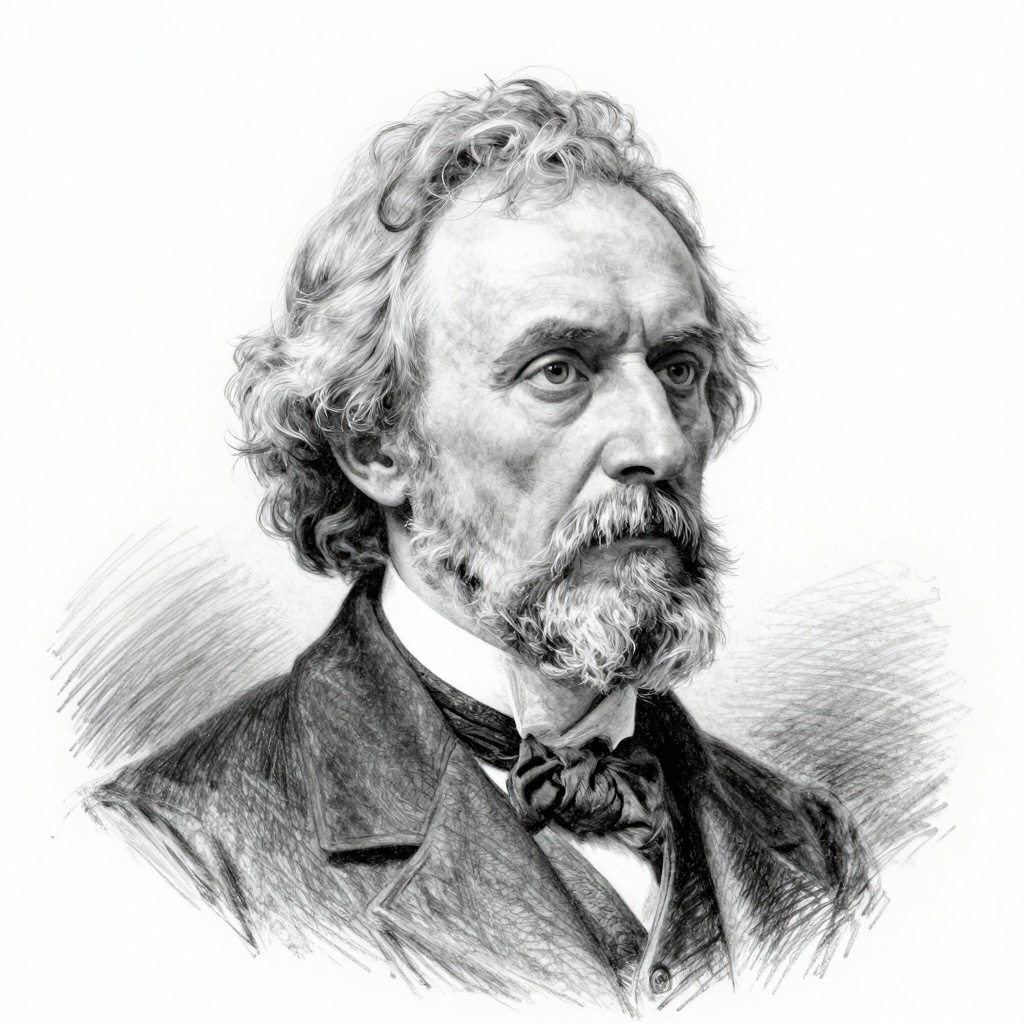
Comments