Quote · Added 17 February 2026
The purpose of life is not to be happy. It is to be useful, to be honorable, to be compassionate, to have it make some difference that you have lived and lived well.
Filed underpurpose·compassion·significance
Quote · Added 17 February 2026
Filed underpurpose·compassion·significance
We're sold a seductive lie: that happiness is the main event, the final destination. But Emerson points to something quieter and stranger—that meaning doesn't come from feeling good, but from mattering. From doing something that wouldn't have happened if you weren't here. That's a harder promise, and oddly more satisfying.
Notice how he stacks the qualities: useful, honorable, compassionate. Not one or the other, but layered. You can be useful without being honorable, or kind without making real change. The challenge is holding all of it at once. It means sometimes doing the difficult thing instead of the comfortable one. It means showing up when nobody's watching, and also when everyone is. When you actually count on a colleague or a friend, or you change someone's small corner of the world, you feel something deeper than happiness—you feel necessary.
This reframes so much of what we obsess over. Your career isn't about climbing or status. Your relationships aren't primarily about how they make you feel. Your days aren't wasting time if they're spent on something true, even unglamorous work. That shift—from "Am I happy?" to "Does this matter?"—is often what makes people finally feel alive.
1803–1882·lived 78 years
Ralph Waldo Emerson (1803–1882) was an American essayist, lecturer, and poet who led the Transcendentalist movement of the mid-19th century. He is known for his philosophical essays, particularly "Nature" and "Self-Reliance," which emphasize individualism, self-reliance, and the importance of nature as a spiritual force.
Also by Ralph Waldo Emerson
Be silly, be honest, be kind.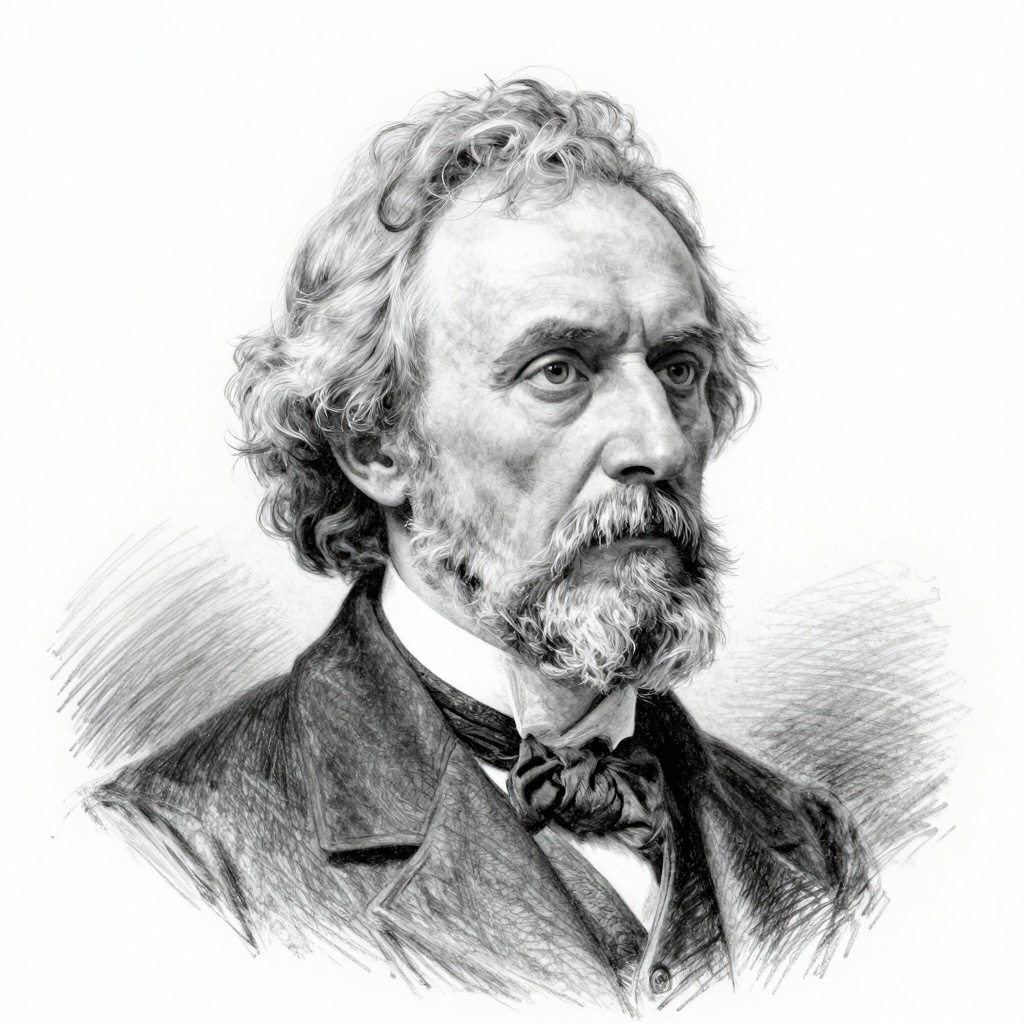
Comments