Quote · Added 14 February 2026
Some books leave us free and some books make us free.
Ralph Waldo EmersonThe American Scholar, 1837
Quote · Added 14 February 2026
There's a real difference between reading for comfort and reading that actually changes you. A book that leaves you free is one you finish feeling the same—entertained maybe, or informed about something distant. You close it and move on. But a book that makes you free does something harder. It cracks open how you see yourself or the world. It gives you new words for something you've always felt, or shows you a way of thinking you didn't know was possible.
The tricky part is that we often can't tell which kind we're reading until after we've finished. That cozy mystery might feel restorative, and that's valuable. But then there's the book that stays with you, that you find yourself thinking about weeks later, that actually shifts something in how you approach a problem or relationship. Those are rare, and they require something from us—attention, willingness to be unsettled.
What Emerson points to is that reading isn't neutral. Every book is either reinforcing your current way of seeing things or challenging it. The honest question isn't just whether a book is good, but whether you're ready for one that might remake you a little. Sometimes we need the comfort of freedom, and sometimes we need the discomfort of becoming free.
1803–1882·lived 78 years
Ralph Waldo Emerson (1803–1882) was an American essayist, lecturer, and poet who led the Transcendentalist movement of the mid-19th century. He is known for his philosophical essays, particularly "Nature" and "Self-Reliance," which emphasize individualism, self-reliance, and the importance of nature as a spiritual force.
Also by Ralph Waldo Emerson
Be silly, be honest, be kind.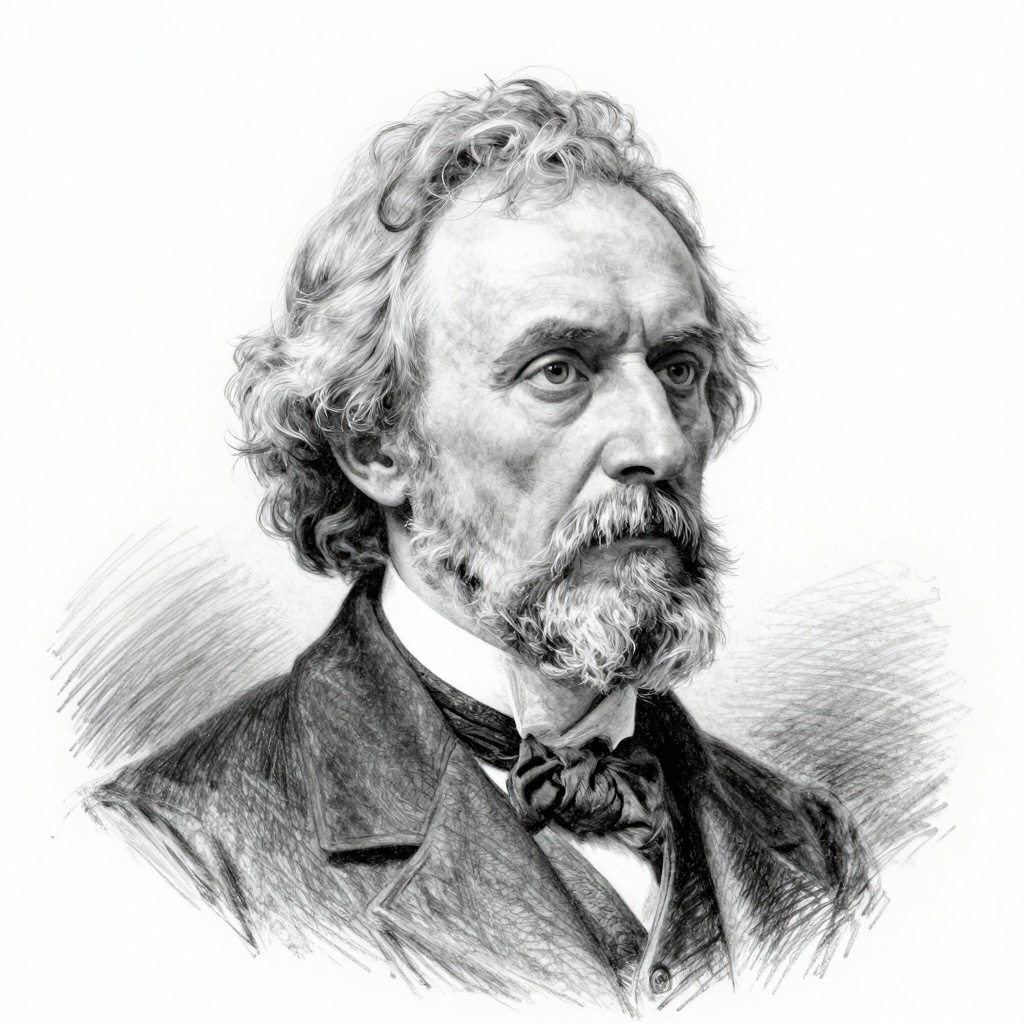
Comments