Quote · Added 14 February 2026
Once you make a decision, the universe conspires to make it happen.
Ralph Waldo EmersonSelf-Reliance, 1841
Filed underdecision·universe·manifestation
Quote · Added 14 February 2026
Filed underdecision·universe·manifestation
The moment you actually commit to something—really commit, not just wish for it—something shifts. You notice opportunities you'd walked past a hundred times before. You recognize the person who could help you. You spot the book on the shelf that suddenly seems essential. It's not magic, but it feels like it because you've finally tuned your attention to what matters. The universe didn't change; your focus did.
This is why half-hearted decisions fall flat. When you're still hedging, still keeping one foot in your old life, your mind stays scattered. But once you cross that internal threshold and decide something is actually happening, your whole operating system realigns. You start asking different questions. You take risks you wouldn't have before. You tolerate the discomfort because you've already chosen the direction.
The tricky part is that this only works if the decision is genuine. You can't trick yourself into commitment. But if you've truly decided—if you've stopped negotiating with yourself—you'll be astonished how much momentum builds. Doors open not because the universe is mystical, but because a focused person moving with conviction naturally finds and creates paths that scattered, doubtful people completely miss.
1803–1882·lived 78 years
Ralph Waldo Emerson (1803–1882) was an American essayist, lecturer, and poet who led the Transcendentalist movement of the mid-19th century. He is known for his philosophical essays, particularly "Nature" and "Self-Reliance," which emphasize individualism, self-reliance, and the importance of nature as a spiritual force.
Also by Ralph Waldo Emerson
Be silly, be honest, be kind.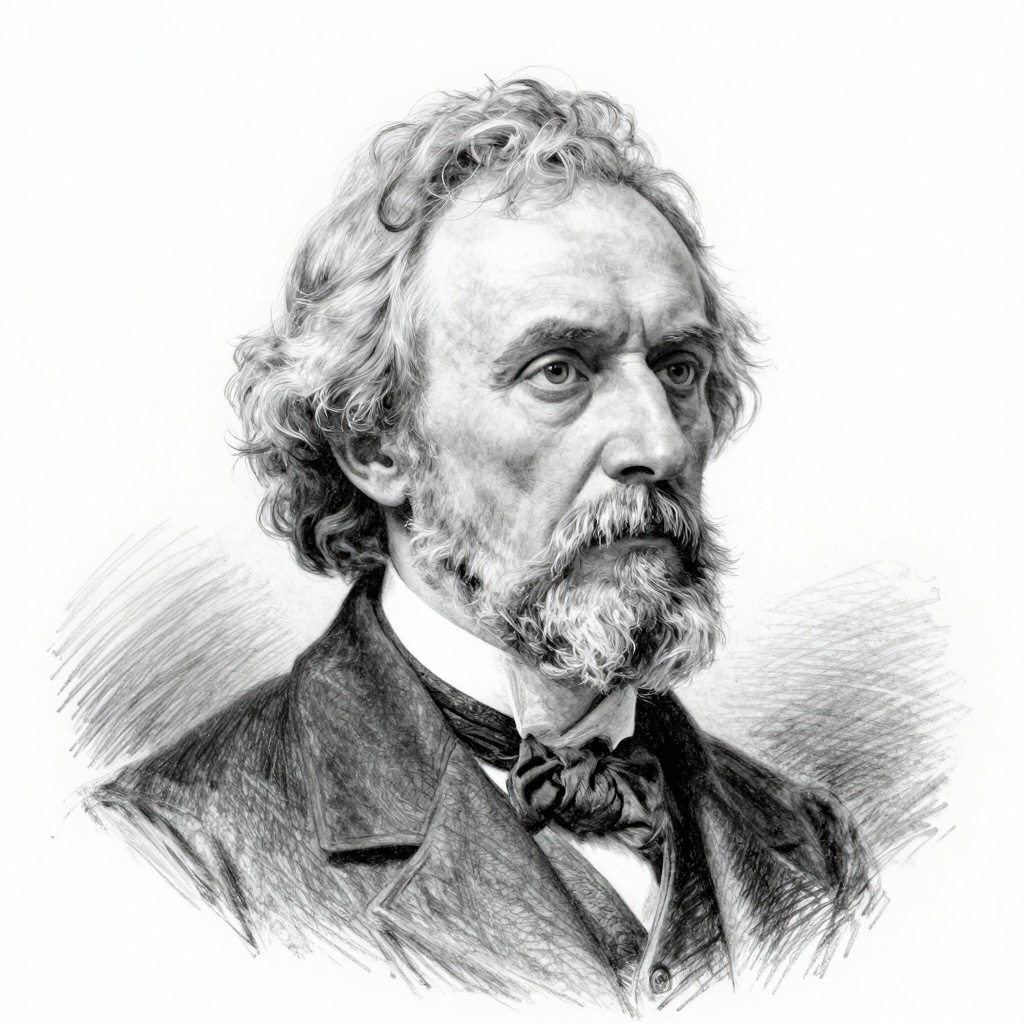
Comments