Quote · Added 3 October 2023
Explore
Reading
AI generatedStop blocking your own light
We're often really good at spotting what's blocking us from the outside—a bad boss, tough circumstances, bad luck. But Emerson points at something stranger and harder to see: sometimes we're the obstacle. We position ourselves between our own light and our own path, then wonder why everything looks so dim.
This shows up everywhere. The person who says they want to write but won't start because conditions aren't perfect. The one who sabotages good relationships because they're convinced they don't deserve them. The talented person whose internal voice is so harsh and demanding that no actual achievement ever feels like enough. In each case, the problem isn't really out there—it's the specific angle we've taken, the stance we've adopted toward ourselves.
What makes this insight useful isn't guilt—it's actually liberating. If you're creating your own shadow, you can also step aside. You can't always control external circumstances, but you can usually notice when you're the one standing in the way, and then move. That's the strange mercy of it: the barrier that comes from within is also the one you have the most power to change.
The author
All 110 quotes by Ralph Waldo Emerson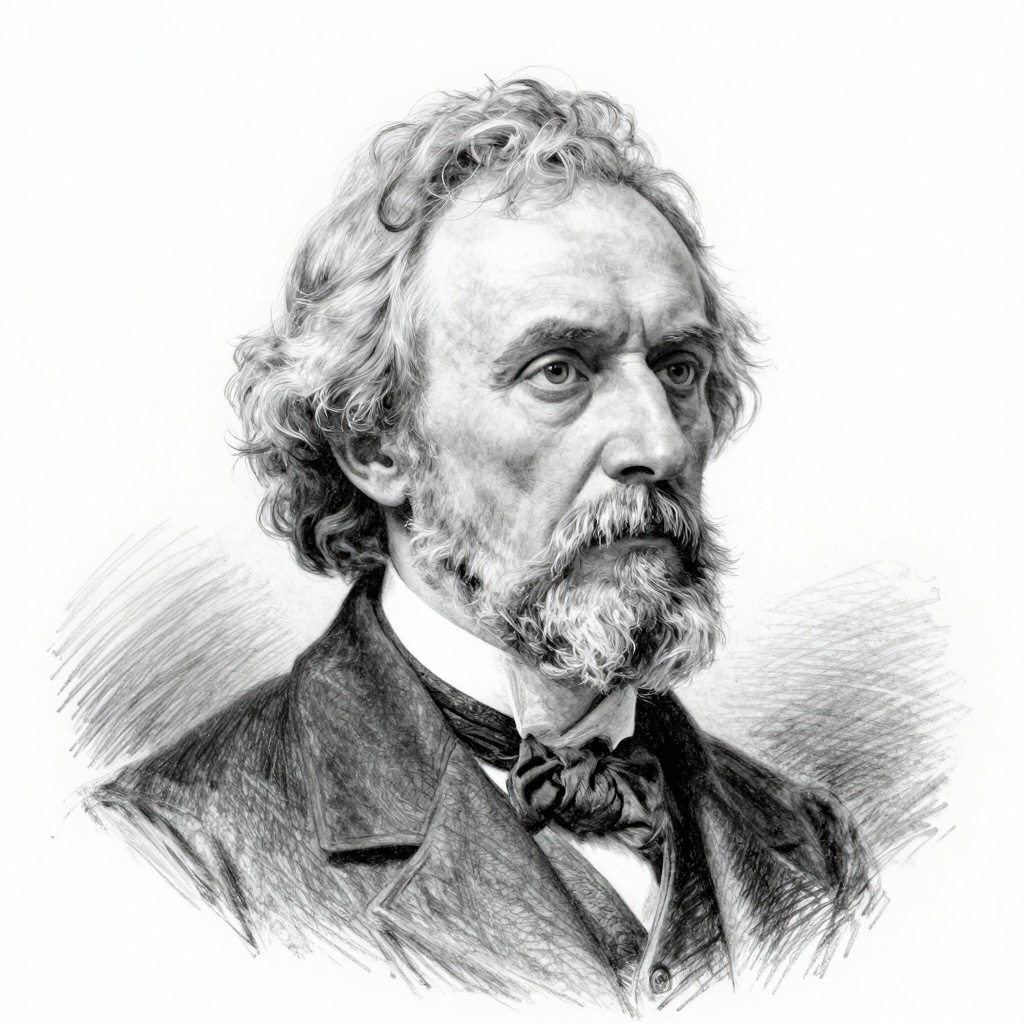
Ralph Waldo Emerson
1803–1882·lived 78 years
Ralph Waldo Emerson (1803–1882) was an American essayist, lecturer, and poet who led the Transcendentalist movement of the mid-19th century. He is known for his philosophical essays, particularly "Nature" and "Self-Reliance," which emphasize individualism, self-reliance, and the importance of nature as a spiritual force.
Also by Ralph Waldo Emerson
Be silly, be honest, be kind.
Comments