Quote · Added 14 February 2026
Love of beauty is taste. The creation of beauty is art.
Ralph Waldo EmersonNature, Chapter 3, 1836
Quote · Added 14 February 2026
We've all felt that pull—walking past a perfectly arranged window display, hearing a song that hits just right, noticing how the light falls across someone's face. That's taste doing its quiet work. But here's what Emerson's split reveals: appreciating beauty and making it are actually different skills, and we often mix them up. You can have exquisite taste and still struggle to create anything. You can also make something genuinely beautiful without having much refined taste at all. They're neighbors, not twins.
The practical consequence is that taste alone can leave you frustrated—endlessly consuming, curating, judging, but never building anything yourself. Art, by contrast, requires you to actually do something messy and imperfect. It means showing up with materials that don't cooperate, making choices that feel wrong before they feel right, and finishing something that probably won't match the beautiful thing you saw in your head. In our age of endless scrolling and "aesthetic" consumption, Emerson's distinction reminds us that beauty isn't something to just collect. It's something to make, even badly.
1803–1882·lived 78 years
Ralph Waldo Emerson (1803–1882) was an American essayist, lecturer, and poet who led the Transcendentalist movement of the mid-19th century. He is known for his philosophical essays, particularly "Nature" and "Self-Reliance," which emphasize individualism, self-reliance, and the importance of nature as a spiritual force.
Also by Ralph Waldo Emerson
Be silly, be honest, be kind.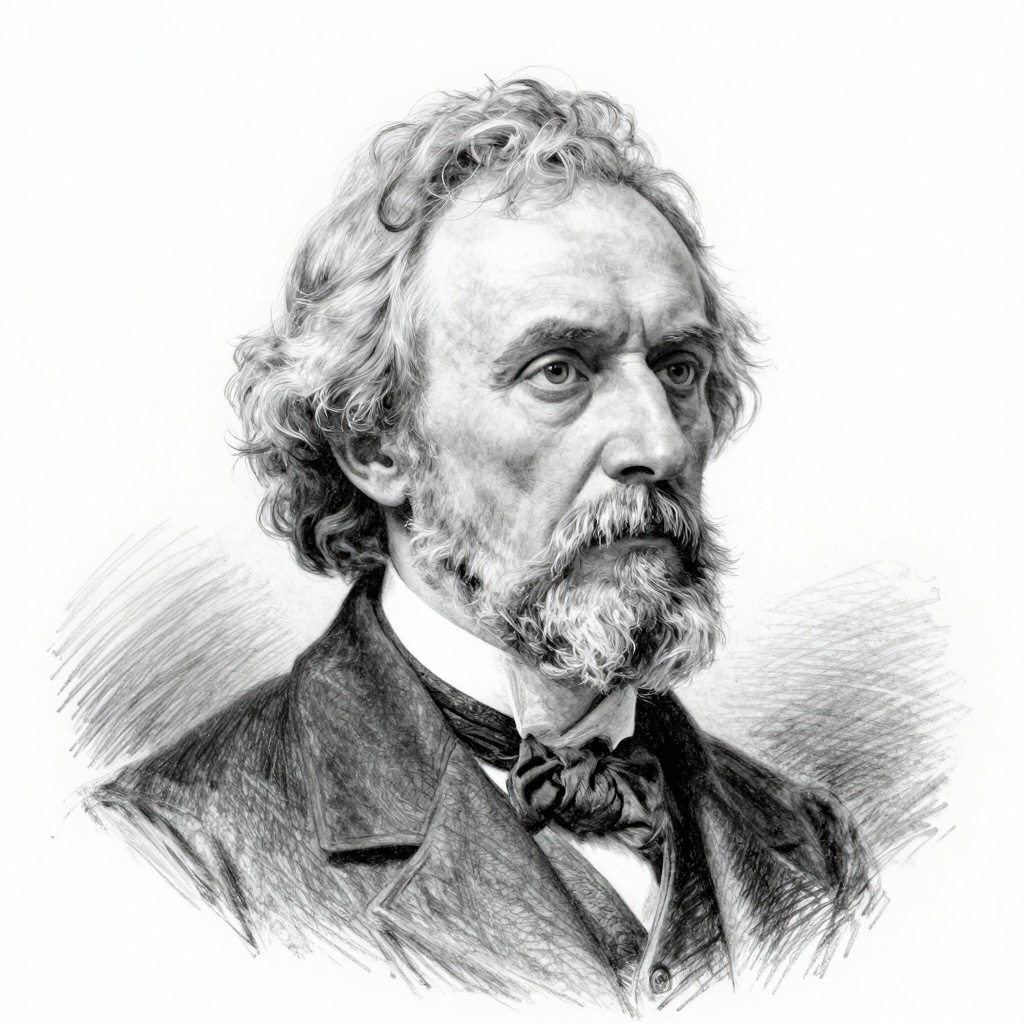
Comments