Quote · Added 14 February 2026
In the morning a man walks with his whole body; in the evening, only with his legs.
Ralph Waldo EmersonJournals and Miscellaneous Notebooks: 1847-1848, p. 384, 1973
Filed underbody·time·transition
Quote · Added 14 February 2026
Filed underbody·time·transition
There's something quietly devastating about how our energy drains across a single day. We start mornings with intention sewn through every fiber—our minds sharp, our bodies willing, our sense of purpose intact. We're not just moving; we're animated by something larger than the mechanics of walking. But by evening, that fullness has worn thin. We're still upright, still moving forward, but it's become a purely physical act. The soul has checked out.
This hits differently now than it might have in Emerson's time. We're not just tired from physical labor; we're depleted by constant decision-making, digital noise, and the psychological weight of unfinished tasks. Our mornings get hijacked by anxiety about what's ahead. Our evenings become autopilot—we scroll, we slump, we move our bodies from one room to another without really inhabiting them.
The useful part of noticing this pattern isn't just accepting it as inevitable. It's recognizing that how we spend our morning hours actually determines whether we walk with our whole selves or just our legs. The energy of the day isn't fixed. It's being shaped by what we choose to carry with us—worry, resentment, distraction—or what we choose to set down.
1803–1882·lived 78 years
Ralph Waldo Emerson (1803–1882) was an American essayist, lecturer, and poet who led the Transcendentalist movement of the mid-19th century. He is known for his philosophical essays, particularly "Nature" and "Self-Reliance," which emphasize individualism, self-reliance, and the importance of nature as a spiritual force.
Also by Ralph Waldo Emerson
Be silly, be honest, be kind.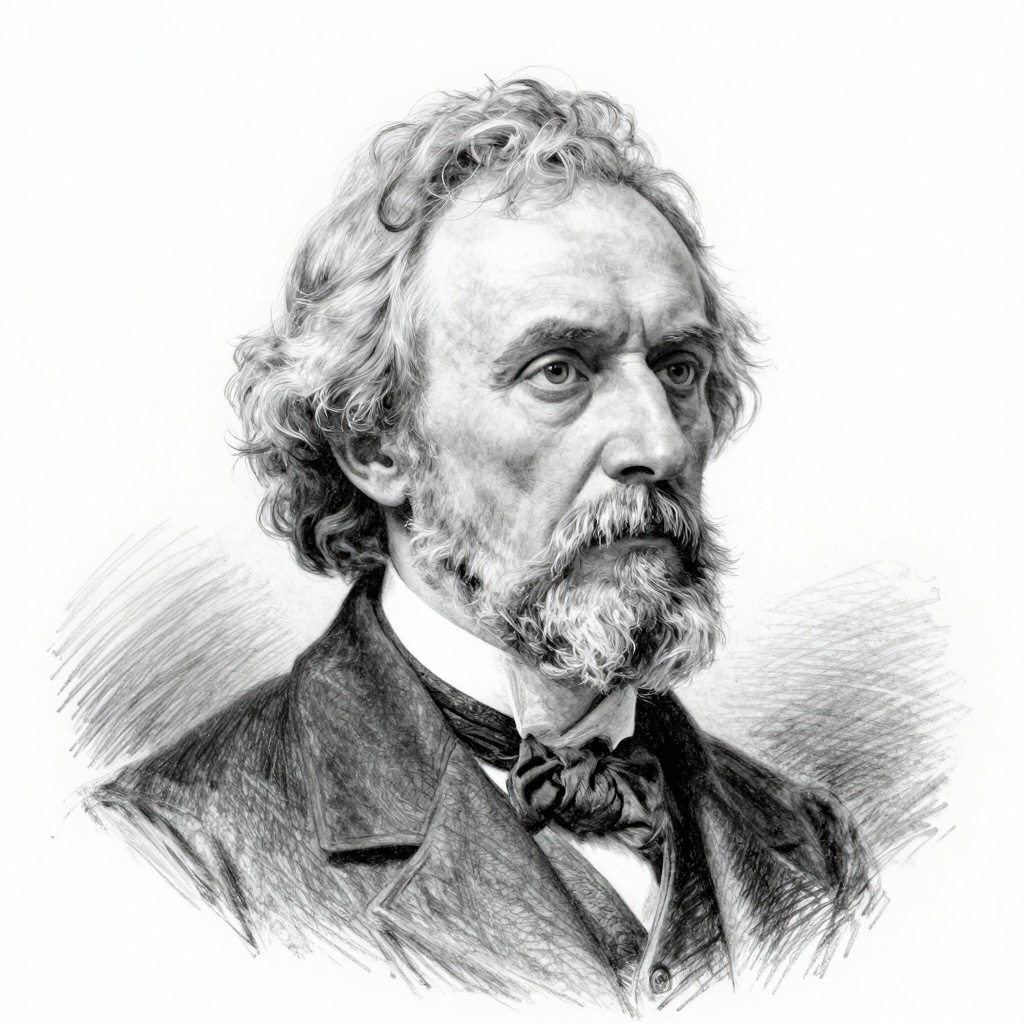
Comments