Quote · Added 26 September 2025
In quoting others, we cite ourselves.
Filed underquoting·self·expression
Quote · Added 26 September 2025
Filed underquoting·self·expression
When you quote someone, you're not just borrowing their words—you're making a choice that reveals who you are. The phrases you find worth repeating, the ideas that stick with you enough to pass along, they're all breadcrumbs leading back to your own values and obsessions. You quote the people who've already said what you believe, so in a strange way, quoting them is just you confirming what matters to you in a borrowed voice.
This hits differently in our age of constant sharing. Every quote we repost, every wisdom we screenshot and send to a friend, is us saying: "This is how I see the world." It's why people can seem so different based entirely on which quotes appear on their feeds. We're not just curating inspiration—we're building a portrait of ourselves, layer by layer. The person who quotes Stoics about resilience is telling you something different than the person who quotes comedians about absurdity. Both are real, but they're narrating different versions of what it means to be alive.
The trick is noticing what you're actually drawn to, and being honest about why. Because if quoting others reveals ourselves, then paying attention to your own quoting habits is a surprisingly direct way to understand what you actually believe, not what you think you should believe.
1803–1882·lived 78 years
Ralph Waldo Emerson (1803–1882) was an American essayist, lecturer, and poet who led the Transcendentalist movement of the mid-19th century. He is known for his philosophical essays, particularly "Nature" and "Self-Reliance," which emphasize individualism, self-reliance, and the importance of nature as a spiritual force.
Also by Ralph Waldo Emerson
Be silly, be honest, be kind.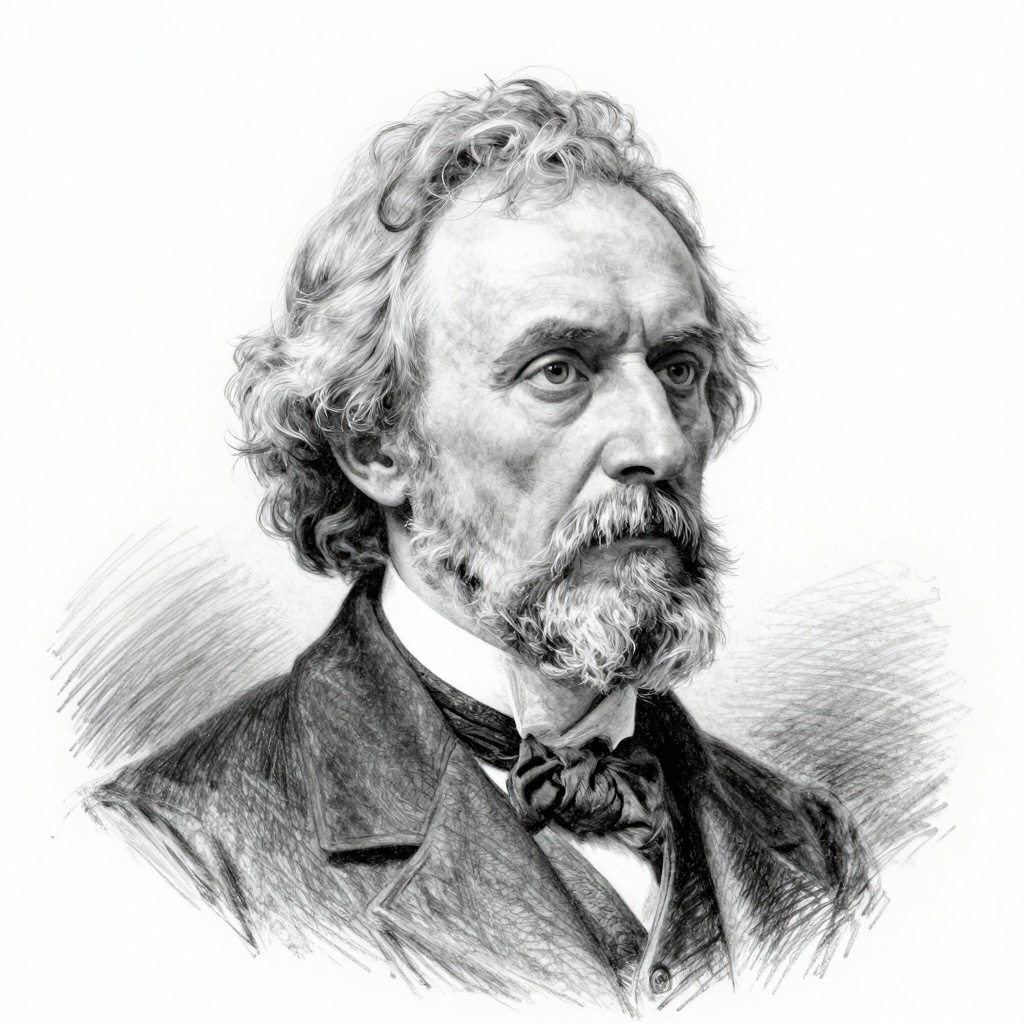
Comments