Quote · Added 10 February 2026
Hitch your wagon to a star.
Ralph Waldo EmersonCivilization, 1862
Filed understar·ambition·aspirations
Quote · Added 10 February 2026
Filed understar·ambition·aspirations
There's something almost reckless about this advice. We spend so much energy on what's practical—the job that pays the bills, the safe choice, the thing we can actually see ahead of us. But Emerson is pointing at something different: the value of aiming at something that seems impossibly far away, something that pulls you forward even when you can't quite grasp it yet.
The thing is, this isn't just about wild ambition or ignoring reality. When you anchor yourself to something genuinely meaningful—whether that's mastering a skill, creating something, or living by a principle you actually believe in—it changes how you make everyday decisions. That star becomes a kind of north star. The smaller choices suddenly have direction. You're not just drifting through options; you're moving toward something that matters to you.
The counterintuitive part? Aiming high often makes you more pragmatic, not less. When you know what you're really after, you stop wasting energy on distractions. You become more willing to do the unglamorous work because you can connect it to something bigger. The star doesn't have to be realistic—it just has to be real to you. That's what gives ordinary effort its shape and meaning.
1803–1882·lived 78 years
Ralph Waldo Emerson (1803–1882) was an American essayist, lecturer, and poet who led the Transcendentalist movement of the mid-19th century. He is known for his philosophical essays, particularly "Nature" and "Self-Reliance," which emphasize individualism, self-reliance, and the importance of nature as a spiritual force.
Also by Ralph Waldo Emerson
Be silly, be honest, be kind.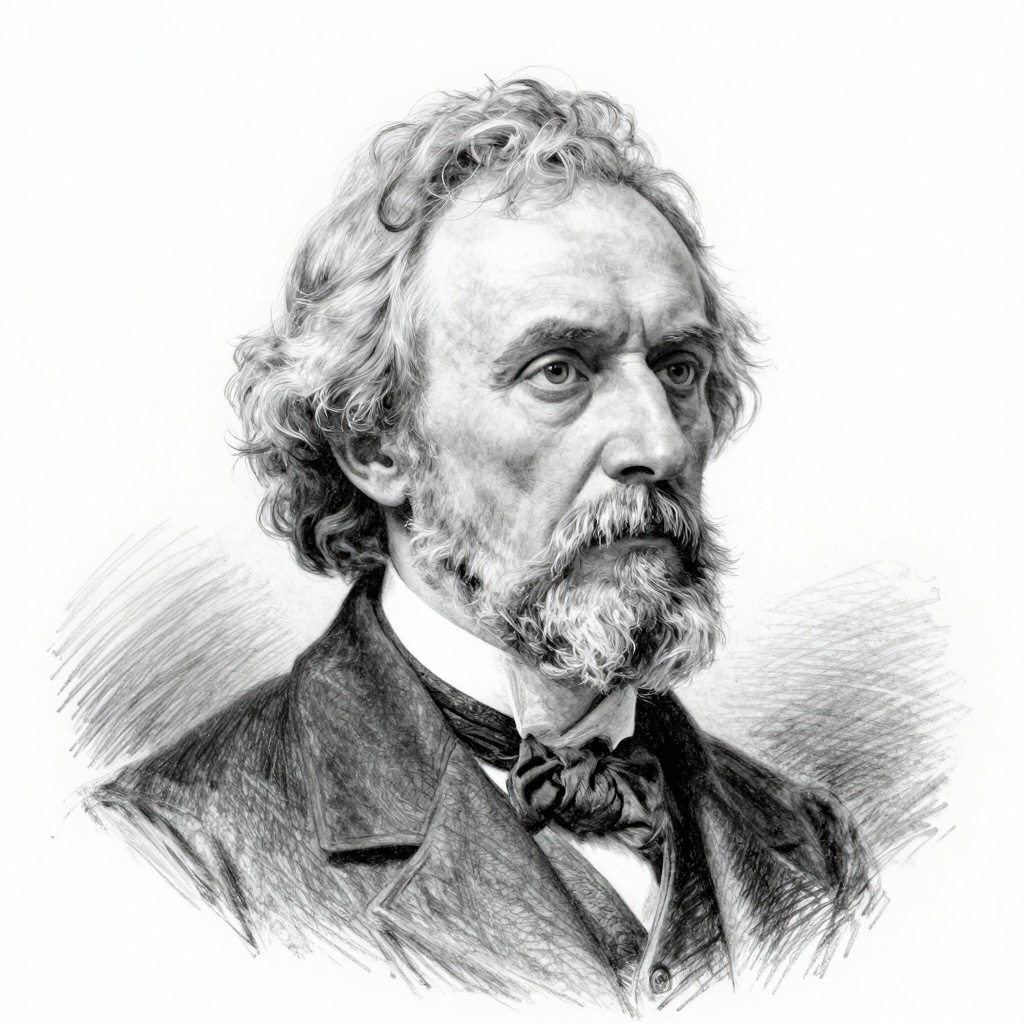
Comments