Quote · Added 22 September 2023
Habits and customs are a convenience devised for the support of timid natures who dare not allow their souls free play.
Ralph Waldo EmersonThe complete works of Ralph Waldo Emerson: Essays. 2d series, Vol. 3
Quote · Added 22 September 2023
We usually think of habits as helpful—they free up mental energy, they keep us stable, they're what separate functional adults from chaos. But Emerson catches something real here: sometimes we use habits as a hiding place. We follow the script not because it works but because it feels safer than improvising. The morning routine becomes a ritual we never question. The way we respond to our partner gets locked into a pattern. The career path we chose ten years ago keeps us moving forward even when we've stopped believing in it.
The trick is that habits aren't inherently limiting—they only become cages when we use them to avoid risk. A habit can either be something you've chosen and still choose, or something you hide behind. The difference matters enormously. Someone might exercise daily out of genuine commitment, while someone else might follow the same routine specifically to not think about what they actually want. Same action, completely different relationship to it.
What Emerson's really prodding at is the possibility that your life might be smaller than it needs to be—not because you're incapable, but because you've mistaken comfort for safety. The invitation, uncomfortable as it sounds, is to occasionally let yourself improvise. To notice which habits are still serving you and which ones are just serving your fear.
1803–1882·lived 78 years
Ralph Waldo Emerson (1803–1882) was an American essayist, lecturer, and poet who led the Transcendentalist movement of the mid-19th century. He is known for his philosophical essays, particularly "Nature" and "Self-Reliance," which emphasize individualism, self-reliance, and the importance of nature as a spiritual force.
Also by Ralph Waldo Emerson
Be silly, be honest, be kind.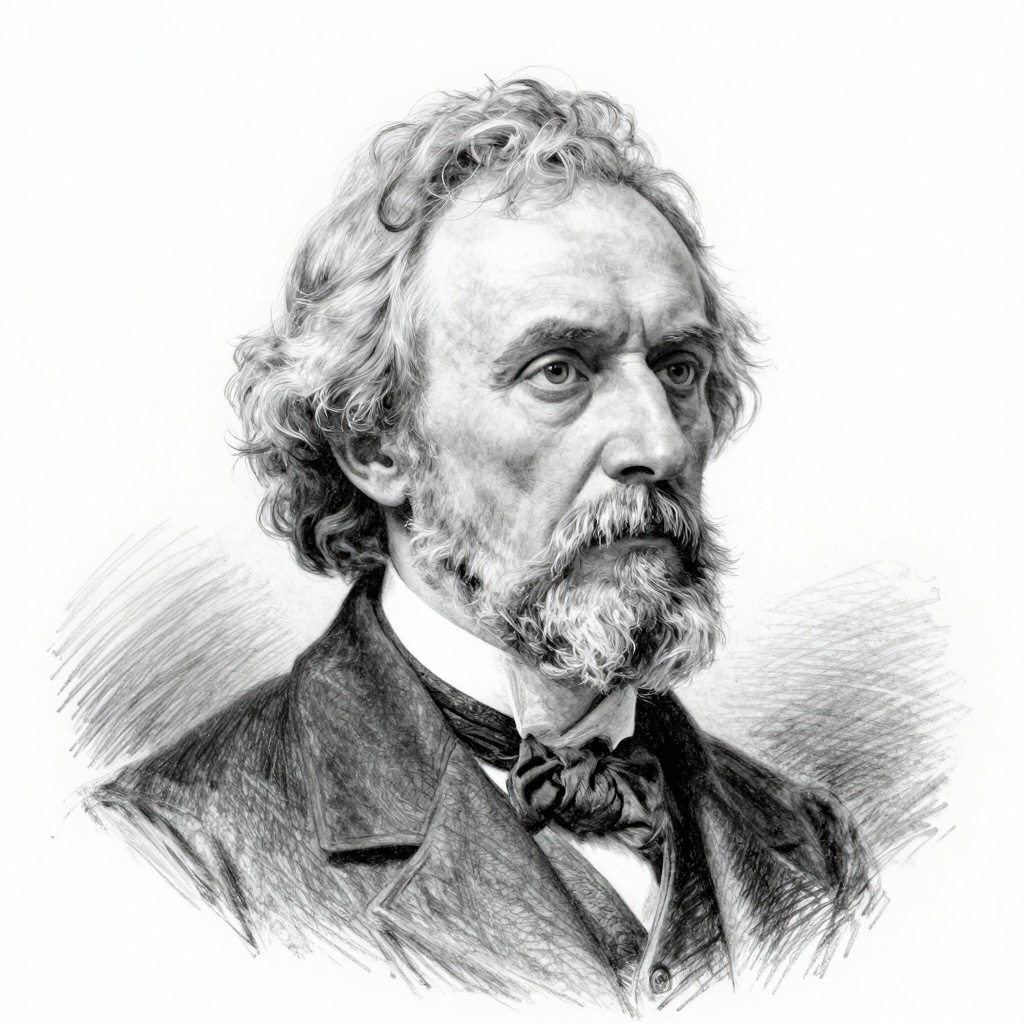
Comments