Quote · Added 11 February 2026
Explore
Reading
AI generatedAnger costs more than it pays
We know anger feels powerful, like you're finally doing something about what's wrong. But what Emerson is really pointing out is the hidden cost—that fury isn't actually moving you forward. It's eating your own time. Every minute spent fuming is a minute your nervous system stays dysregulated, your thinking stays clouded, and you're unable to actually solve the thing that made you mad. It's like paying a tax just to stay angry.
The second part cuts deeper: decisions made from rage almost always look different in the morning. The email you draft while furious, the argument you escalate, the line you cross—these tend to become regrets quickly. This isn't about suppressing legitimate anger. It's about recognizing that anger is a useful signal that something matters to you, but a terrible guide for what to do next. The shame part? That's what happens when anger fades and you're left facing what you said or did while under its influence.
The practical insight is that the most powerful thing you can do with anger isn't to act on it immediately—it's to wait. Give yourself the sixty seconds. Let your prefrontal cortex come back online. Then decide what actually needs to happen. Your future self will thank you.
The author
All 110 quotes by Ralph Waldo Emerson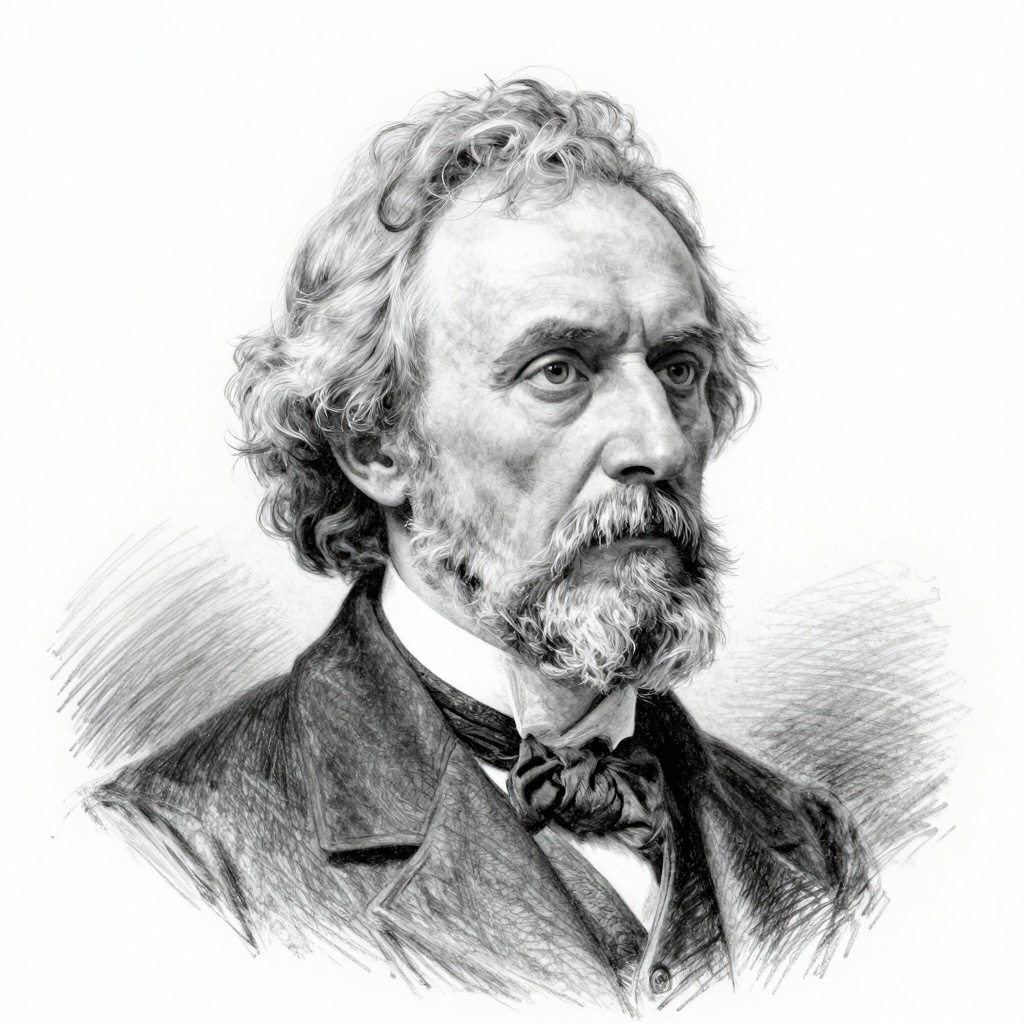
Ralph Waldo Emerson
1803–1882·lived 78 years
Ralph Waldo Emerson (1803–1882) was an American essayist, lecturer, and poet who led the Transcendentalist movement of the mid-19th century. He is known for his philosophical essays, particularly "Nature" and "Self-Reliance," which emphasize individualism, self-reliance, and the importance of nature as a spiritual force.
Also by Ralph Waldo Emerson
Be silly, be honest, be kind.
Comments