Quote · Added 15 February 2026
Each age, it is found, must write its own books; or rather, each generation for the next succeeding.
Filed underbooks·generations·knowledge
Quote · Added 15 February 2026
Filed underbooks·generations·knowledge
Every generation inherits a library, but the inherited books gradually stop answering the questions people actually have. Emerson's insight cuts deeper than just "new books get written"—he's saying that old wisdom, no matter how true it was, eventually requires translation. The answers your grandmother found in her favorite novel might not help you navigate your specific anxieties. What worked as guidance then becomes historical artifact now.
This matters because we often treat older ideas as timeless truth rather than time-specific response. We'll read advice about relationships or work written fifty years ago and feel vaguely inadequate when it doesn't quite fit. The book wasn't wrong; it just wasn't written for your particular world. Your confusion is actually evidence that you need new thinking, not that you're failing to understand old thinking.
The flip side is less comfortable: whatever insights we're producing right now—books, articles, podcasts—will eventually feel incomplete to whoever comes after. This should make us humble about declaring anything final. It also means each of us has real permission to think freshly about our own moment instead of endlessly consulting what previous generations settled on. The next generation will write their own books anyway. You might as well write the ones you actually need right now.
1803–1882·lived 78 years
Ralph Waldo Emerson (1803–1882) was an American essayist, lecturer, and poet who led the Transcendentalist movement of the mid-19th century. He is known for his philosophical essays, particularly "Nature" and "Self-Reliance," which emphasize individualism, self-reliance, and the importance of nature as a spiritual force.
Also by Ralph Waldo Emerson
Be silly, be honest, be kind.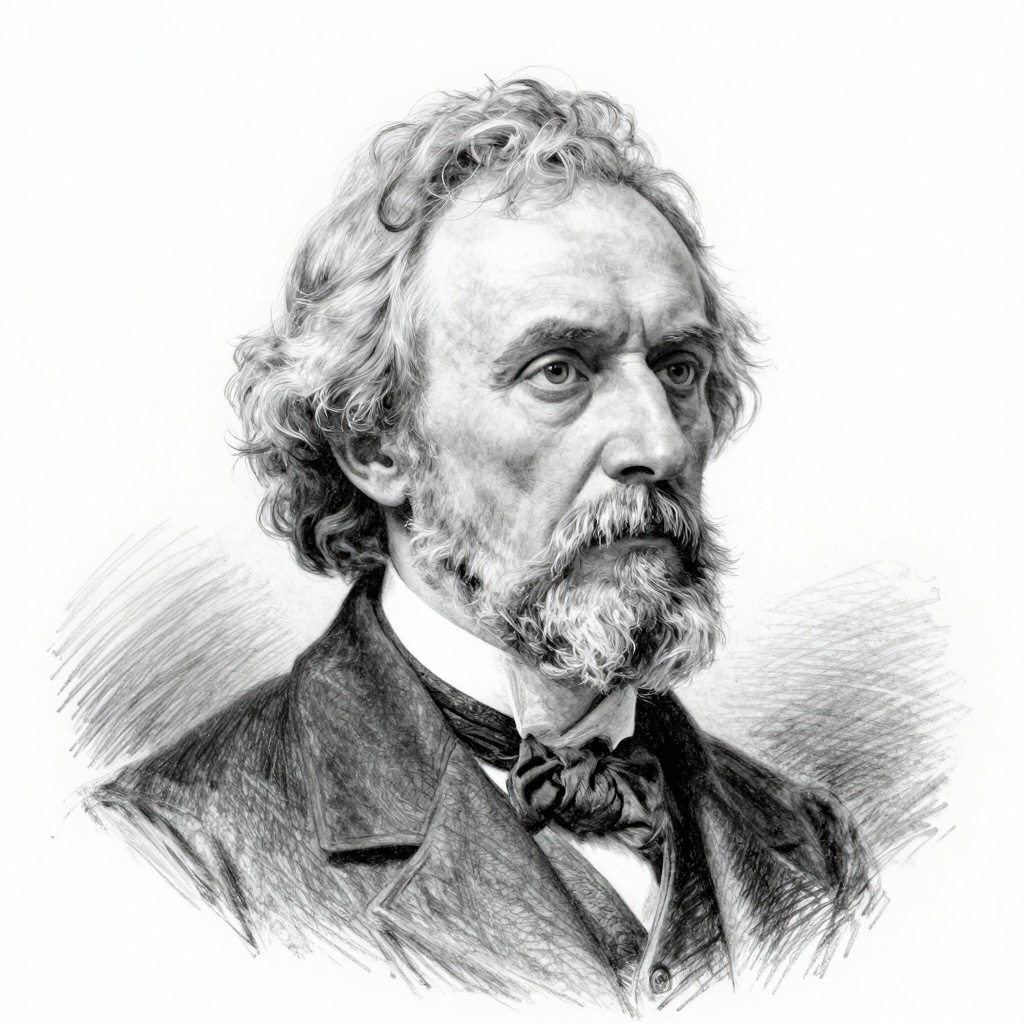
Comments