Quote · Added 16 February 2026
Don't waste yourself in rejection, nor bark against the bad, but chant the beauty of the good.
Filed underrejection·positivity·beauty
Quote · Added 16 February 2026
Filed underrejection·positivity·beauty
We spend so much energy fighting what we don't want that we forget to build what we do. A bad boss, a toxic friend, a political opponent—they're real problems, sure. But notice how much of your mental real estate they occupy even when they're not around. The irony is that all that resistance, all that anger channeled into proving someone or something wrong, actually gives them more power over your life. You're still dancing to their tune, just in opposition instead of harmony.
Emerson's angle here isn't to ignore problems or pretend everything's fine. It's subtler: that your finite energy is better spent celebrating and creating what actually matters to you than consumed by what doesn't. When you focus on building, learning, making something beautiful—whether that's a skill, a relationship, a project—you naturally move away from the toxic stuff. You outgrow it rather than fighting it. People who seem most alive and magnetic aren't usually the ones locked in endless arguments. They're the ones absorbed in something that genuinely lights them up.
The practical shift is small but real: instead of "I hate my job, I need to complain about my boss," it's "I'm going to get good at this thing I actually care about." The bad may not disappear, but it stops steering your life.
1803–1882·lived 78 years
Ralph Waldo Emerson (1803–1882) was an American essayist, lecturer, and poet who led the Transcendentalist movement of the mid-19th century. He is known for his philosophical essays, particularly "Nature" and "Self-Reliance," which emphasize individualism, self-reliance, and the importance of nature as a spiritual force.
Also by Ralph Waldo Emerson
Be silly, be honest, be kind.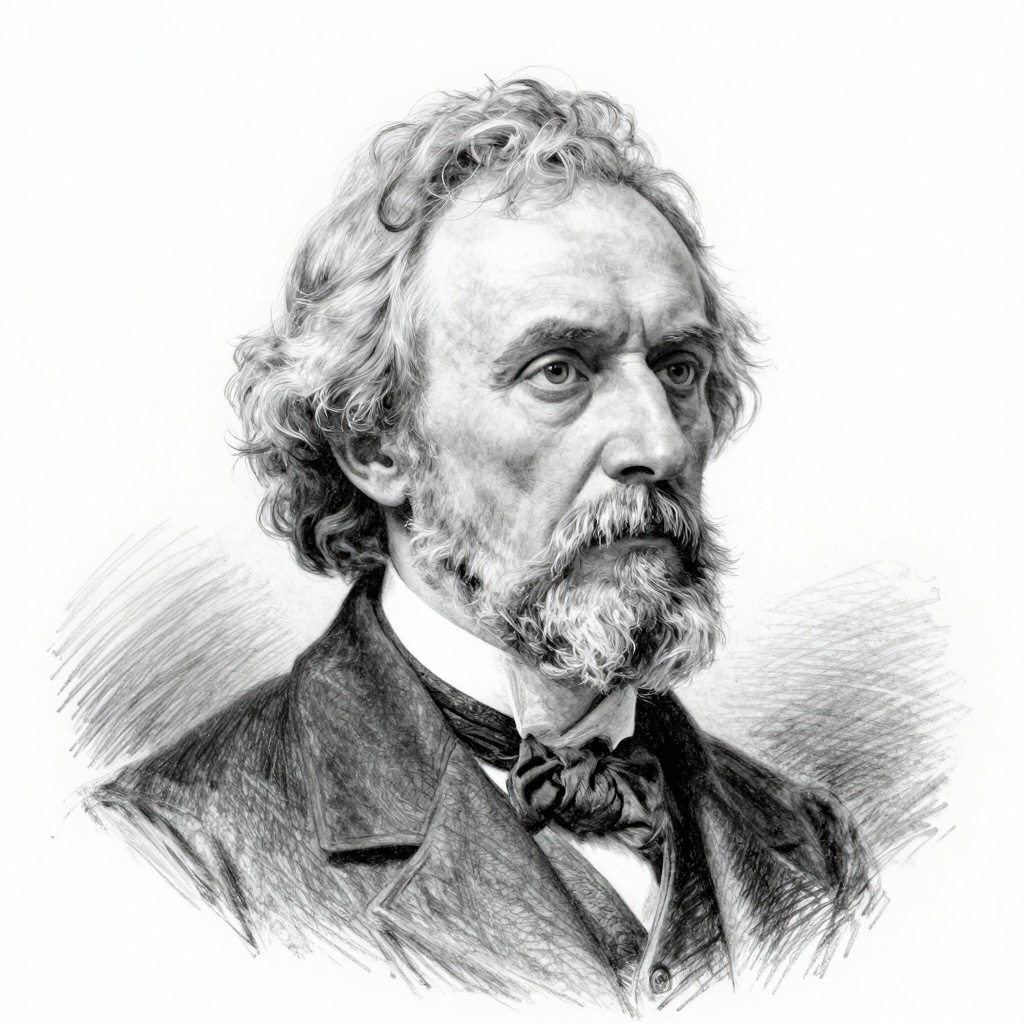
Comments