Quote · Added 9 February 2026
Doing well is the result of doing good. That's what capitalism is all about.
Ralph Waldo EmersonInspiringQuotes.us
Filed undercapitalism·ethics·success
Quote · Added 9 February 2026
Filed undercapitalism·ethics·success
There's a tension most of us feel between making money and doing right by people. We're told these things are at odds—that you either pursue profit ruthlessly or you sacrifice success for principles. But this quote suggests something quieter and more radical: that the two aren't actually in conflict. When you genuinely solve someone's problem, treat people fairly, or create something of real value, the money tends to follow naturally. It's not some mystical law; it's just that people want to do business with those they trust.
The tricky part is that this only works if you're actually aiming at doing good first. The moment you reverse it—chasing money and hoping decency follows—everything gets corrupted. You start cutting corners, overselling, burning relationships. But when your real focus is solving a legitimate problem or serving people well, you build something durable. Customers return, people recommend you, your reputation becomes an asset that keeps paying dividends.
In our current moment, where every company claims to care while chasing quarterly targets, this feels almost subversive. It's a reminder that profit and integrity aren't opposing forces—they're actually long-term partners. The question isn't whether you can afford to do good; it's whether you can afford not to.
1803–1882·lived 78 years
Ralph Waldo Emerson (1803–1882) was an American essayist, lecturer, and poet who led the Transcendentalist movement of the mid-19th century. He is known for his philosophical essays, particularly "Nature" and "Self-Reliance," which emphasize individualism, self-reliance, and the importance of nature as a spiritual force.
Also by Ralph Waldo Emerson
Be silly, be honest, be kind.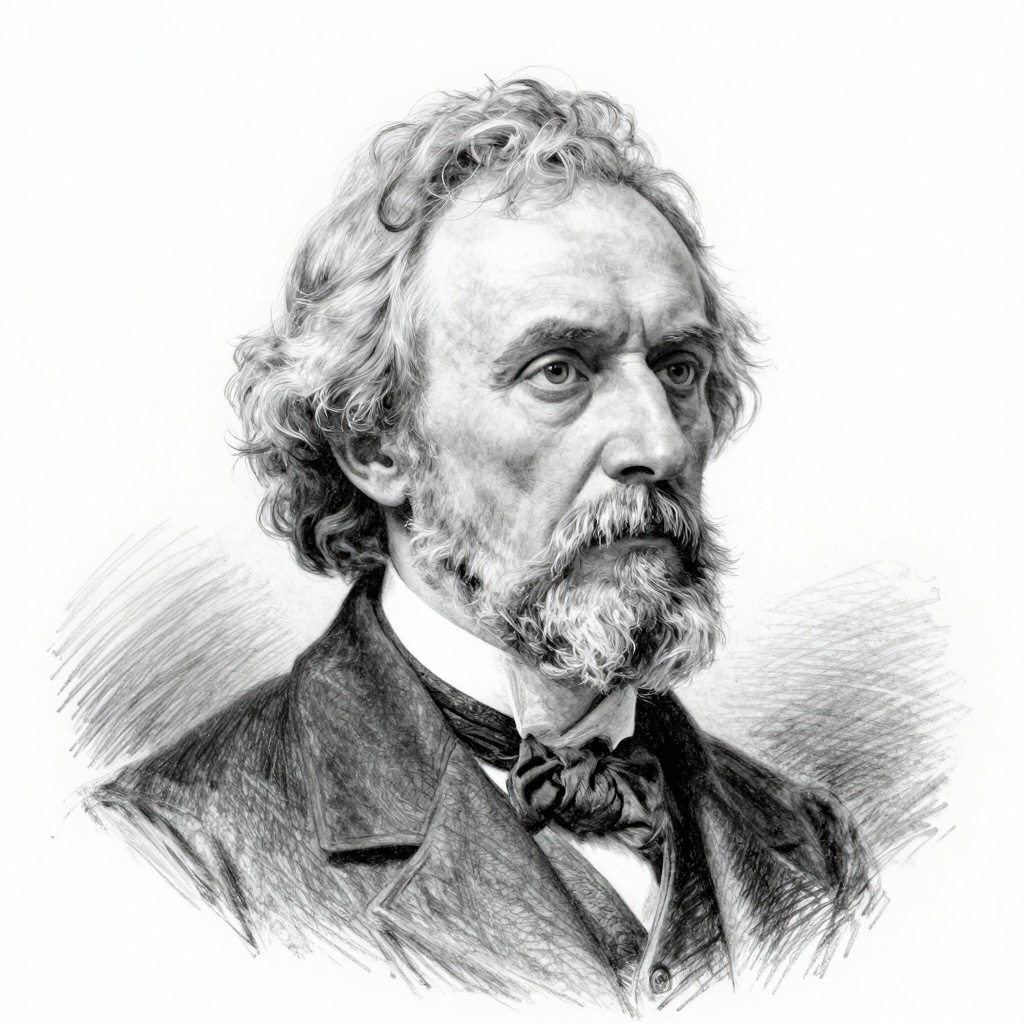
Comments