Quote · Added 5 August 2023
Do not go where the path may lead, go instead where there is no path and leave a trail.
Ralph Waldo EmersonWind-Wafted Wild Flowers by Muriel Strode, The Open Court, August 1903, p. 505
Filed underpath·trail·individuality
Quote · Added 5 August 2023
Filed underpath·trail·individuality
Most of us spend our lives walking paths someone else has already cleared. We follow the career ladder our parents climbed, adopt the hobbies our friends recommend, chase the version of success that's already been mapped out. It feels safer that way. There's proof it works. But Emerson's point cuts deeper than just "be different"—he's saying that the real work isn't following a dotted line, it's deciding what matters enough to pioneer.
Here's what makes this tricky in real life: going pathless is lonely and uncertain in ways that following a path isn't. You might fail. You might look foolish. You might discover halfway through that your trail leads nowhere useful. But here's the part people often miss: leaving a trail isn't about being first or being famous. It's about moving through the world with enough conviction that others can see you cared about something enough to try. That's actually more infectious than any well-worn path, because it gives other people permission to stop accepting the default.
The question becomes less "What should I do?" and more "What do I care enough about to forge my own way toward?" That shift—from following to believing in something—that's where the real trail begins.
1803–1882·lived 78 years
Ralph Waldo Emerson (1803–1882) was an American essayist, lecturer, and poet who led the Transcendentalist movement of the mid-19th century. He is known for his philosophical essays, particularly "Nature" and "Self-Reliance," which emphasize individualism, self-reliance, and the importance of nature as a spiritual force.
Also by Ralph Waldo Emerson
Be silly, be honest, be kind.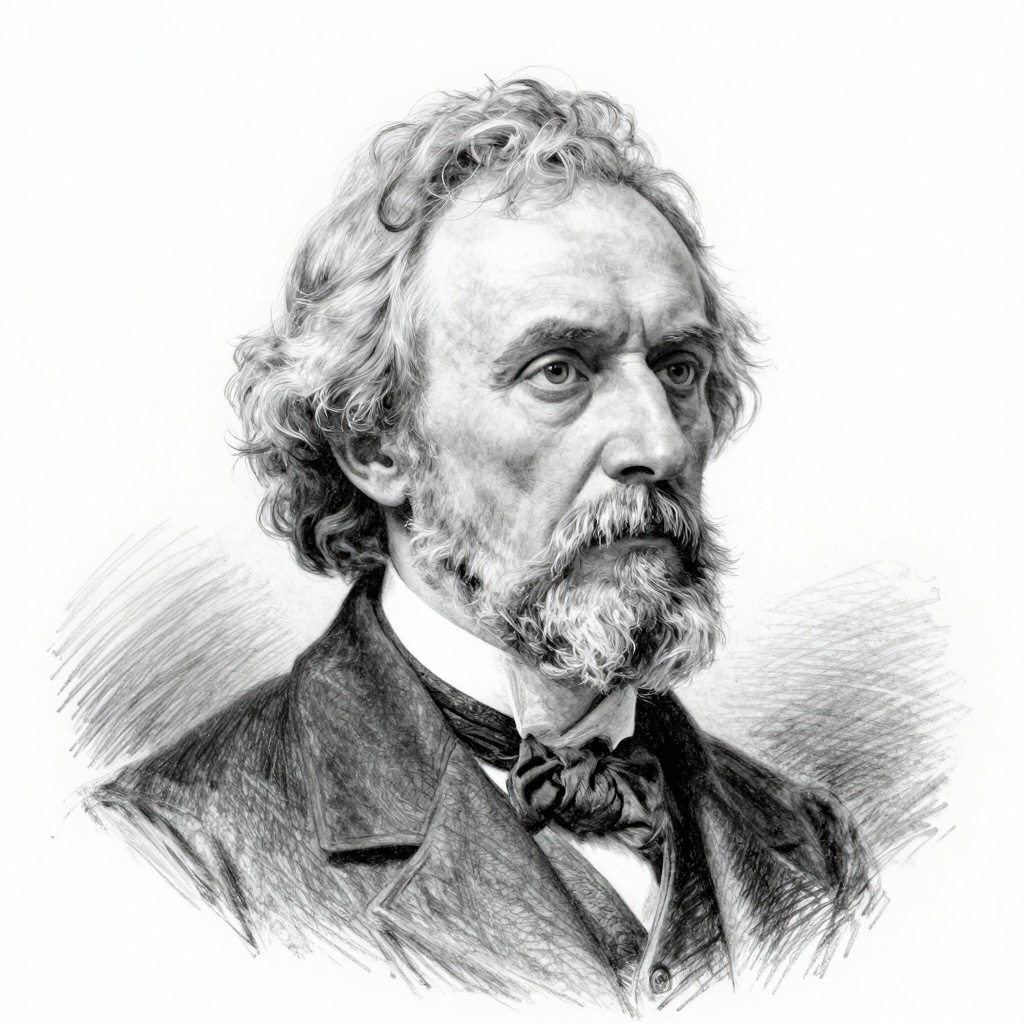
Comments