Quote · Added 14 February 2026
Bad times have a scientific value. These are occasions a good learner would not miss.
Ralph Waldo EmersonThe Conduct of Life, p. 45, 1860
Quote · Added 14 February 2026
We tend to treat our worst moments like mistakes to erase as quickly as possible—bad jobs, failed relationships, health scares, or just seasons when nothing seems to click. But Emerson is pointing at something counterintuitive: struggle isn't just something to survive. It's actually where the real education happens. When things are easy, we coast. When they're hard, we finally pay attention, experiment, and figure out what actually works versus what we assumed worked.
This matters because it reframes how you experience difficulty. Instead of seeing a rough patch as lost time, you could ask: what am I learning right now that I couldn't learn otherwise? Someone going through a career setback might discover what they actually care about versus what they thought they should care about. A relationship breaking apart teaches you things about yourself no smooth sailing ever could. The person struggling with anxiety learns resilience and self-awareness in ways the perpetually comfortable never do.
The catch is that you have to be willing to be a "good learner"—which means staying curious instead of just resentful, noticing patterns instead of just complaining, and actually integrating what you've learned rather than pretending it never happened. That's the work. But it's the difference between letting bad times just hurt and letting them actually change you.
1803–1882·lived 78 years
Ralph Waldo Emerson (1803–1882) was an American essayist, lecturer, and poet who led the Transcendentalist movement of the mid-19th century. He is known for his philosophical essays, particularly "Nature" and "Self-Reliance," which emphasize individualism, self-reliance, and the importance of nature as a spiritual force.
Also by Ralph Waldo Emerson
Be silly, be honest, be kind.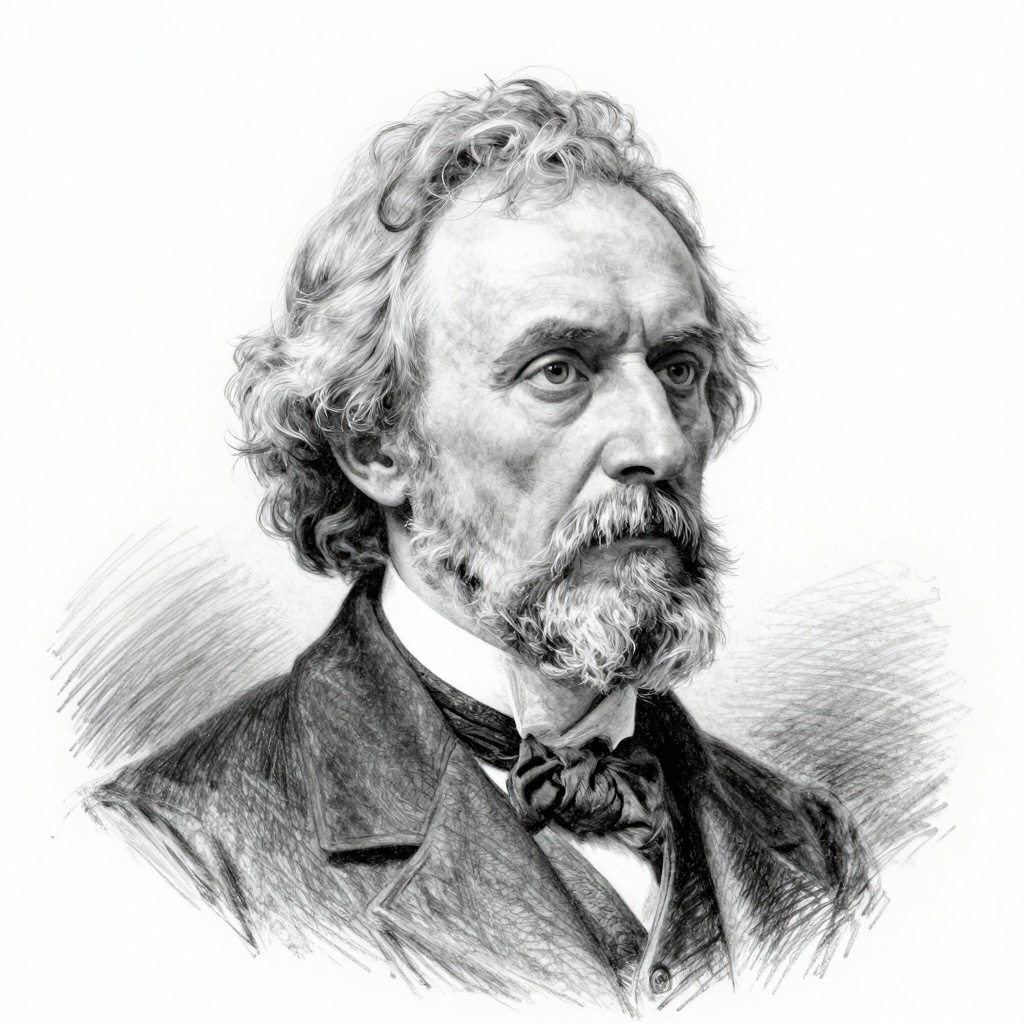
Comments