Quote · Added 8 February 2026
Always do what you are afraid to do.
Ralph Waldo EmersonEssays: First Series, Essay VIII: Heroism, 1841
Quote · Added 8 February 2026
Fear is a useful alarm system, but it's also a terrible decision-maker. When something genuinely frightens us—speaking up in a meeting, trying something we might fail at, having a difficult conversation—our instinct is to treat that fear as a stop sign. But Emerson's point cuts deeper: often the things we're most afraid of are exactly the things we most need to do, precisely because they matter to us.
The catch is that fear doesn't disappear once you do the scary thing. You don't gather courage, then act. You act while the fear is still there, rumbling in your chest. That's the actual work. And what's strange is that people who seem confident aren't usually less afraid—they're just more practiced at doing things anyway. Each time you push through, you're not becoming fearless. You're becoming someone who knows you can handle what comes next.
The practical version of this: your fear is often pointing at something real. Not something dangerous necessarily, but something that matters enough to scare you. A promotion you want but doubt yourself for. A creative project that feels too ambitious. A boundary you need to set. Emerson isn't saying ignore wisdom or take reckless risks. He's saying: don't let the fear itself become your excuse.
1803–1882·lived 78 years
Ralph Waldo Emerson (1803–1882) was an American essayist, lecturer, and poet who led the Transcendentalist movement of the mid-19th century. He is known for his philosophical essays, particularly "Nature" and "Self-Reliance," which emphasize individualism, self-reliance, and the importance of nature as a spiritual force.
Also by Ralph Waldo Emerson
Be silly, be honest, be kind.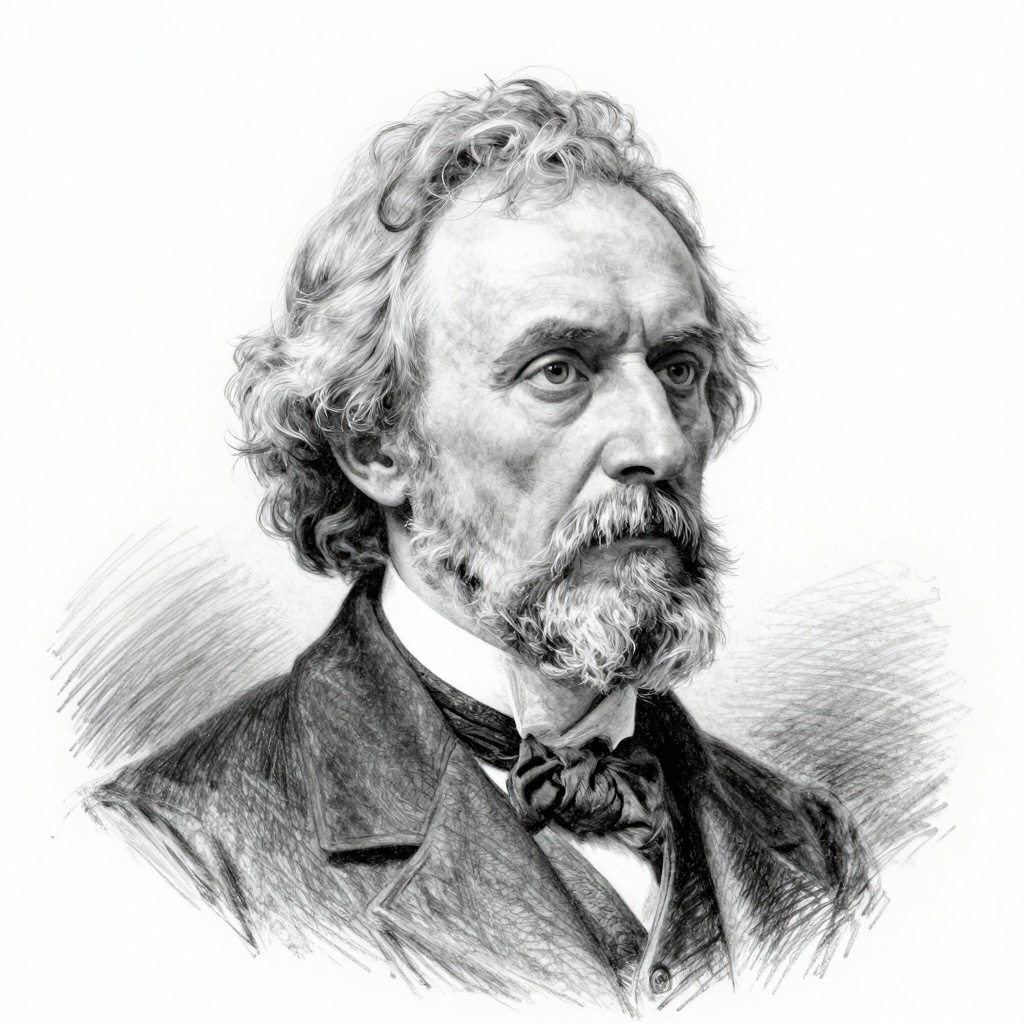
Comments