Quote · Added 10 February 2026
Adopt the pace of nature: her secret is patience.
Ralph Waldo EmersonNature, Essays, 1844
Quote · Added 10 February 2026
We live in a world obsessed with speed. Notifications ping every few seconds, we expect answers instantly, and there's always pressure to optimize, hustle, and see immediate results. Yet if you've ever watched a tree grow or waited for a garden to produce, you know nature doesn't work that way. A seed doesn't become an oak overnight. A river doesn't carve a canyon in a day. Nature has a tempo all its own, and Emerson's insight is that this pace isn't a bug—it's actually the secret ingredient to real, lasting change.
The tricky part is that patience feels like doing nothing. We mistake slowness for laziness or failure. But nature is patient because it's working at a scale we don't always see. Roots spread underground while the shoot stays small. Soil builds gradually through countless tiny decompositions. When you adopt this rhythm in your own life—whether that's learning a skill, building a relationship, or healing from something difficult—you stop fighting against what actually takes time. You stop burning out trying to force things.
The non-obvious part? Nature's patience isn't passive resignation. It's the opposite. It's a kind of fierce commitment to doing the right thing at the right time, without cutting corners. That's where real power comes from.
1803–1882·lived 78 years
Ralph Waldo Emerson (1803–1882) was an American essayist, lecturer, and poet who led the Transcendentalist movement of the mid-19th century. He is known for his philosophical essays, particularly "Nature" and "Self-Reliance," which emphasize individualism, self-reliance, and the importance of nature as a spiritual force.
Also by Ralph Waldo Emerson
Be silly, be honest, be kind.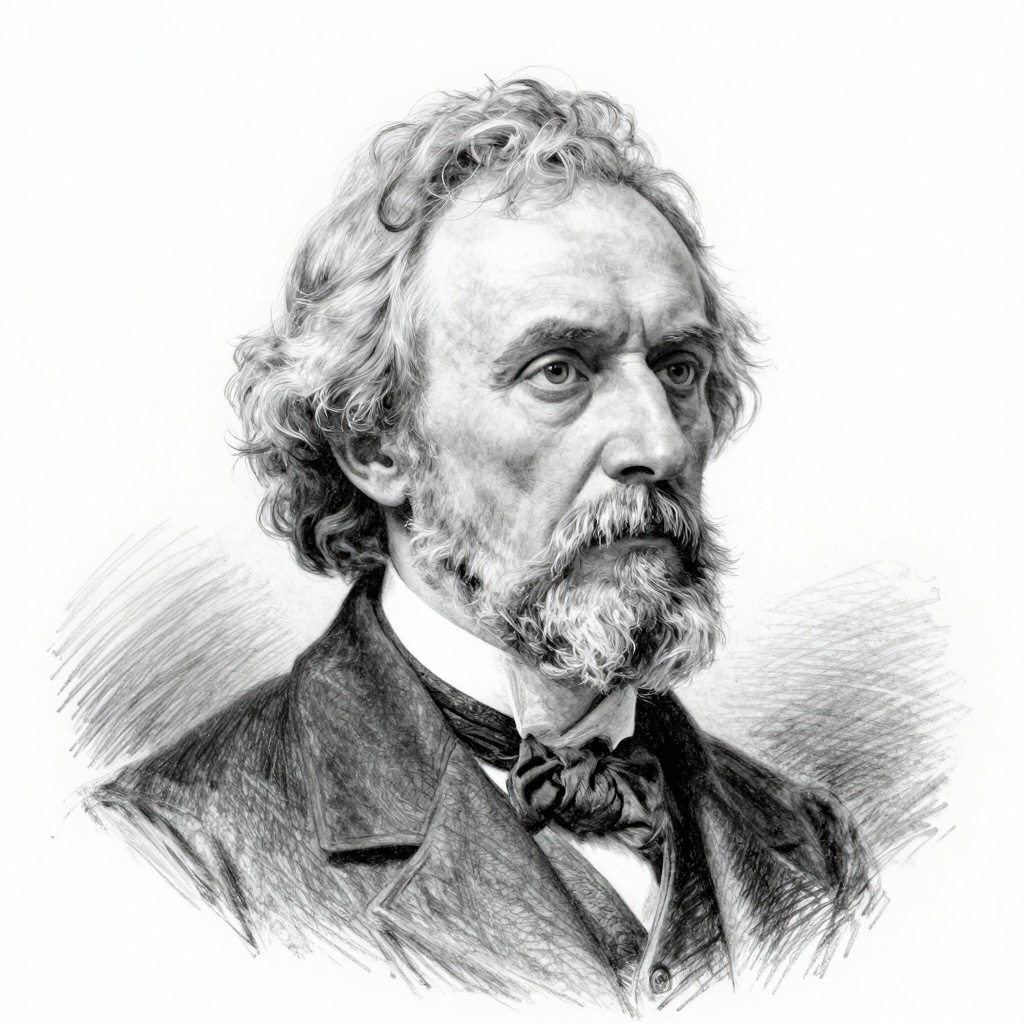
Comments