Quote · Added 14 February 2026
A man is usually more careful of his money than of his principles.
Ralph Waldo EmersonA man is usually more careful of his money than he is of his principles
Filed undermoney·principles·values
Quote · Added 14 February 2026
Filed undermoney·principles·values
We guard our wallets instinctively. A suspicious charge on a credit card gets investigated immediately, but we'll compromise on something we claimed to believe in without nearly as much resistance. The gap between these two vigilances is the real story here—not because people are hypocrites, but because money has immediate, visible consequences while principles feel abstract until the moment they don't.
This plays out constantly in small ways. We'll spend hours optimizing a purchase to save twenty dollars, yet spend our attention and energy on things that subtly erode what we say matters to us. We'll negotiate hard on a contract but accept a boss's request that conflicts with how we want to treat people. The money feels concrete; the principle feels like it can slide this one time, or that we'll come back to it later.
What makes Emerson's observation sting a little is that principles are actually what protect everything else—our relationships, our peace of mind, our ability to look ourselves in the mirror. Money comes and goes, often for reasons partly outside our control. But how we compromise? That's something we genuinely choose, usually without realizing we're choosing it at all. The real cost is that we end up more careful about the thing that replaces itself than the thing that defines us.
1803–1882·lived 78 years
Ralph Waldo Emerson (1803–1882) was an American essayist, lecturer, and poet who led the Transcendentalist movement of the mid-19th century. He is known for his philosophical essays, particularly "Nature" and "Self-Reliance," which emphasize individualism, self-reliance, and the importance of nature as a spiritual force.
Also by Ralph Waldo Emerson
Be silly, be honest, be kind.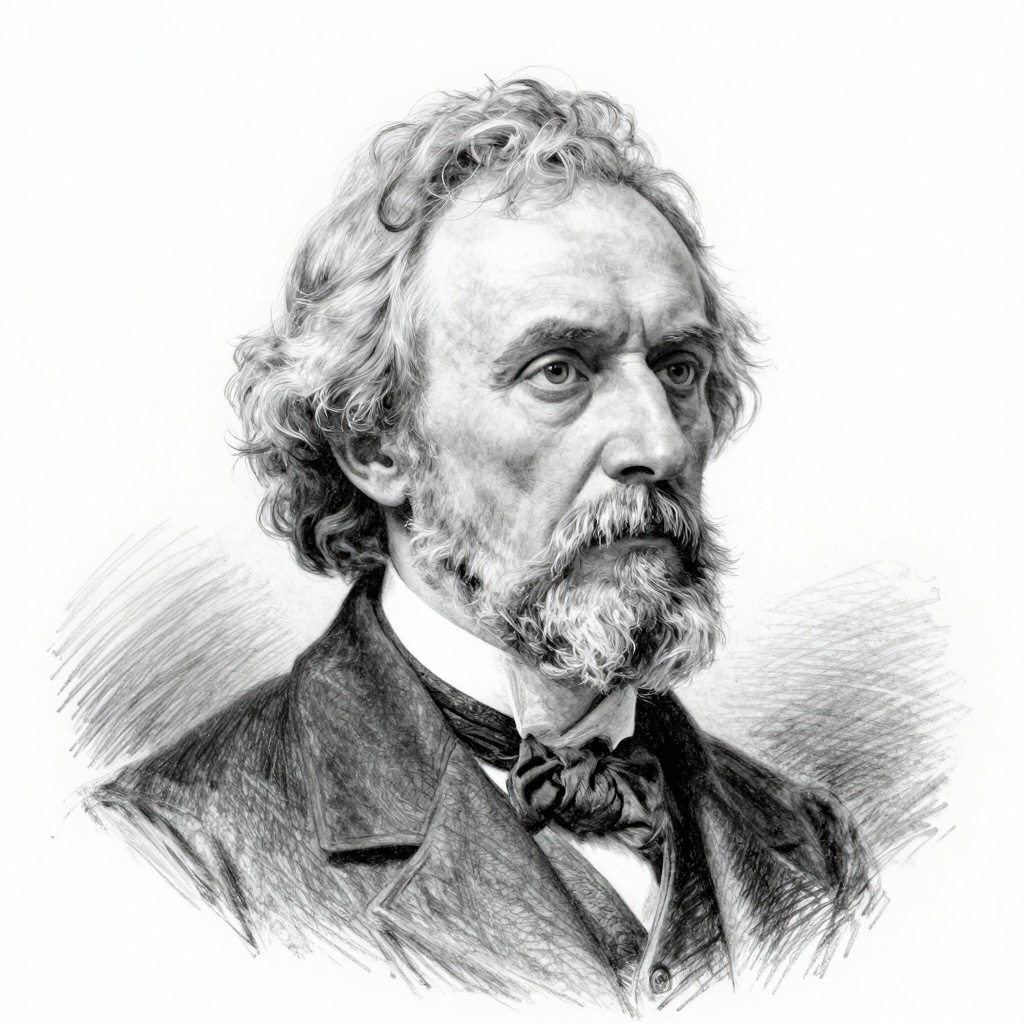
Comments