Quote · Added 14 February 2026
A man in debt is so far a slave.
Ralph Waldo EmersonThe Conduct of Life, p. 123, 1860
Quote · Added 14 February 2026
We don't usually think of debt in terms of slavery, but Emerson's point catches something real about how financial obligation reshapes your freedom. When you owe money, your choices narrow in ways that feel invisible at first. You can't take the lower-paying job you'd actually enjoy. You can't say no to overtime. You can't leave a situation that's making you miserable because the numbers don't work. The creditor doesn't need to give orders—the debt does it for you.
What's interesting is that this applies as much to small debts as large ones. A few thousand dollars in credit card debt might not sound like slavery, but it's enough to pull your attention toward making more money instead of making better choices. It's enough to make you feel trapped before you even realize it. The freedom Emerson's really talking about isn't just financial—it's the ability to act on what you actually believe matters, instead of what your obligations demand.
This doesn't mean debt is always avoidable or wrong. But it's worth recognizing the real cost beyond interest rates: what does owing someone change about who you feel free to be?
1803–1882·lived 78 years
Ralph Waldo Emerson (1803–1882) was an American essayist, lecturer, and poet who led the Transcendentalist movement of the mid-19th century. He is known for his philosophical essays, particularly "Nature" and "Self-Reliance," which emphasize individualism, self-reliance, and the importance of nature as a spiritual force.
Also by Ralph Waldo Emerson
Be silly, be honest, be kind.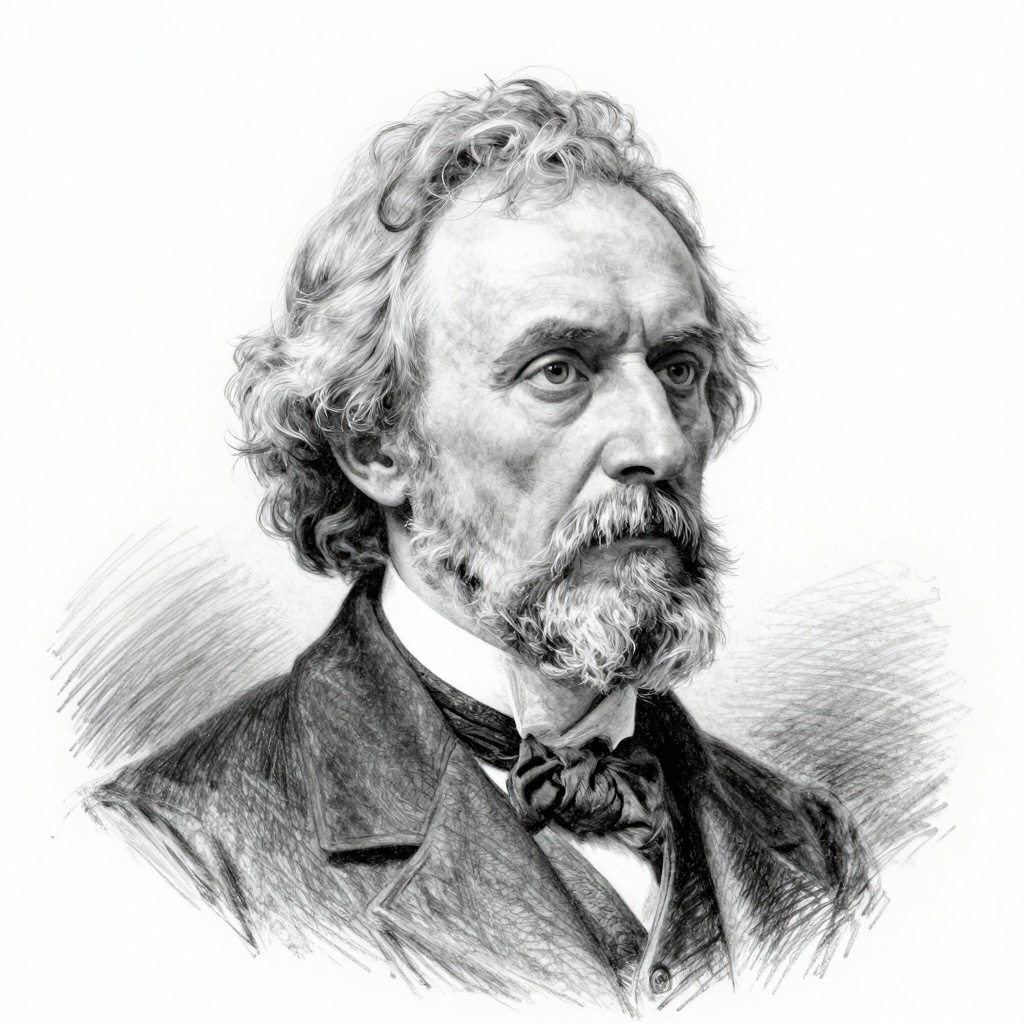
Comments