Quote · Added 17 February 2026
Explore
Reading
AI generatedGreatness hides in being small
There's something counterintuitive about this that catches you off guard. We usually imagine greatness as someone commanding a room, collecting titles, making sure everyone knows their importance. But Emerson's pointing at something else entirely—the people who actually change things are often the ones comfortable being nobody in particular when the moment calls for it.
Think about the person at work who doesn't need credit for solving the problem, or the parent who's willing to look foolish teaching their kid something new. They're not performing greatness; they're living it. There's a real freedom in that. When you're not obsessed with protecting your image or proving your worth, you can actually pay attention to what matters. You can learn from someone younger, ask for help, admit you were wrong, do the unglamorous work nobody sees. That flexibility, that willingness to be small and uncertain—that's what lets great people adapt, grow, and connect with others authentically.
The reverse is usually true too. The people most desperate to seem important are often the most brittle. They can't bend because bending feels like losing. But real strength, the kind that lasts, requires this strange humility—knowing your value doesn't depend on being constantly validated.
The author
All 110 quotes by Ralph Waldo Emerson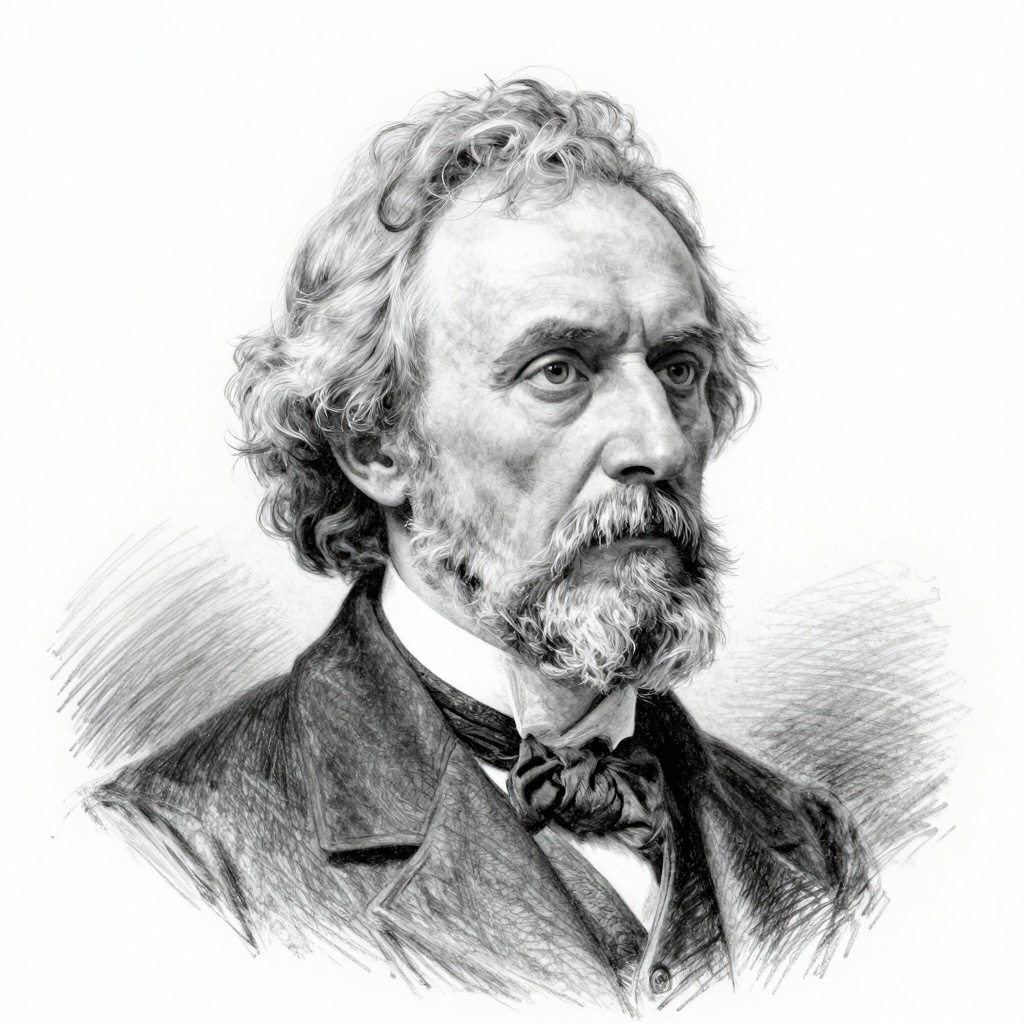
Ralph Waldo Emerson
1803–1882·lived 78 years
Ralph Waldo Emerson (1803–1882) was an American essayist, lecturer, and poet who led the Transcendentalist movement of the mid-19th century. He is known for his philosophical essays, particularly "Nature" and "Self-Reliance," which emphasize individualism, self-reliance, and the importance of nature as a spiritual force.
Also by Ralph Waldo Emerson
Be silly, be honest, be kind.
Comments