Quote · Added 14 February 2026
A liar should have a good memory.
QuintilianInstitutio Oratoria, Book 4, Chapter 1, Section 91
Quote · Added 14 February 2026
When you tell a lie, you're essentially committing to a version of reality you've invented. The problem is that reality itself doesn't cooperate. If you say you were at home on Tuesday but you were actually at a friend's house, you have to remember that detail perfectly every time it comes up. One slip—mentioning a restaurant you couldn't have been at, or forgetting you claimed to have watched a movie alone—and the whole thing unravels. Most people don't realize they're not actually good enough at remembering to be effective liars, which is partly why lies tend to collapse under scrutiny.
But there's something subtler here too. This quote points to a real tax that dishonesty places on your mind. You're spending mental energy managing your false narrative instead of just dealing with reality. That burden shows up in ways you might not consciously notice: extra anxiety, difficulty relaxing around certain people, constant low-level stress about getting caught. The most straightforward people often seem lighter somehow because they're not running a second version of events in their head.
The practical takeaway isn't just about others—it's recognizing that honesty, awkward as it sometimes is, is actually the less demanding path for your own brain.
d. 100
Quintilian was a first-century Roman rhetorician, educator, and author, best known for his work "Institutio Oratoria," a comprehensive treatise on rhetoric and education. He advocated for a systematic approach to teaching oratory and emphasized the importance of moral character in a speaker. Quintilian's ideas significantly influenced the field of education and rhetoric throughout the Renaissance and beyond.
Also by Quintilian
The perfection of art is to conceal art.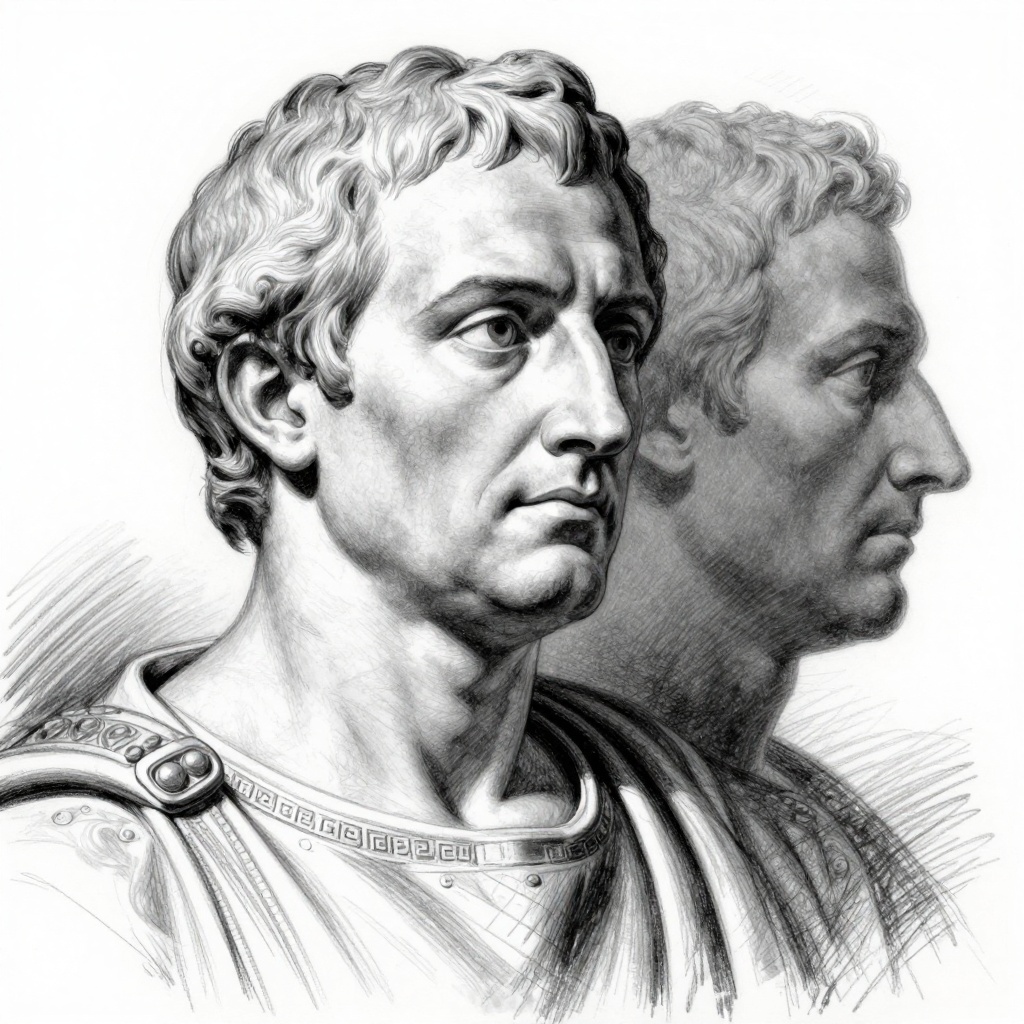
Comments