Quote · Added 7 March 2026
When defeat is inevitable, it is wisest to yield.
Filed underdefeat·wisdom·acceptance
Quote · Added 7 March 2026
Filed underdefeat·wisdom·acceptance
There's something counterintuitive about accepting loss before the final bell rings. Our culture celebrates the last-minute comeback, the refusal to quit, the stubborn fighter who won't go down. But Quintilian's wisdom points to something quieter and often harder: knowing when to stop.
The real skill isn't always persistence—it's recognizing when the game has already been decided and your continued fighting will only cost you more. A business owner pouring money into a failing venture, a person trapped in a relationship that's clearly over, someone defending a position they no longer actually believe in—these are situations where yielding early looks like wisdom, not weakness. Strategic retreat preserves your energy and dignity for battles you might actually win.
What makes this especially relevant today is that we're drowning in messaging about never giving up. But that advice ignores a basic truth: resources are finite. Your time, money, and emotional energy are limited. Yielding isn't about lacking courage; it's about redirecting your courage toward something that actually has a chance. The wisest people aren't necessarily the ones who fight hardest—they're the ones who fight smartly, knowing exactly which hills are worth dying on.
d. 100
Quintilian was a first-century Roman rhetorician, educator, and author, best known for his work "Institutio Oratoria," a comprehensive treatise on rhetoric and education. He advocated for a systematic approach to teaching oratory and emphasized the importance of moral character in a speaker. Quintilian's ideas significantly influenced the field of education and rhetoric throughout the Renaissance and beyond.
Also by Quintilian
The perfection of art is to conceal art.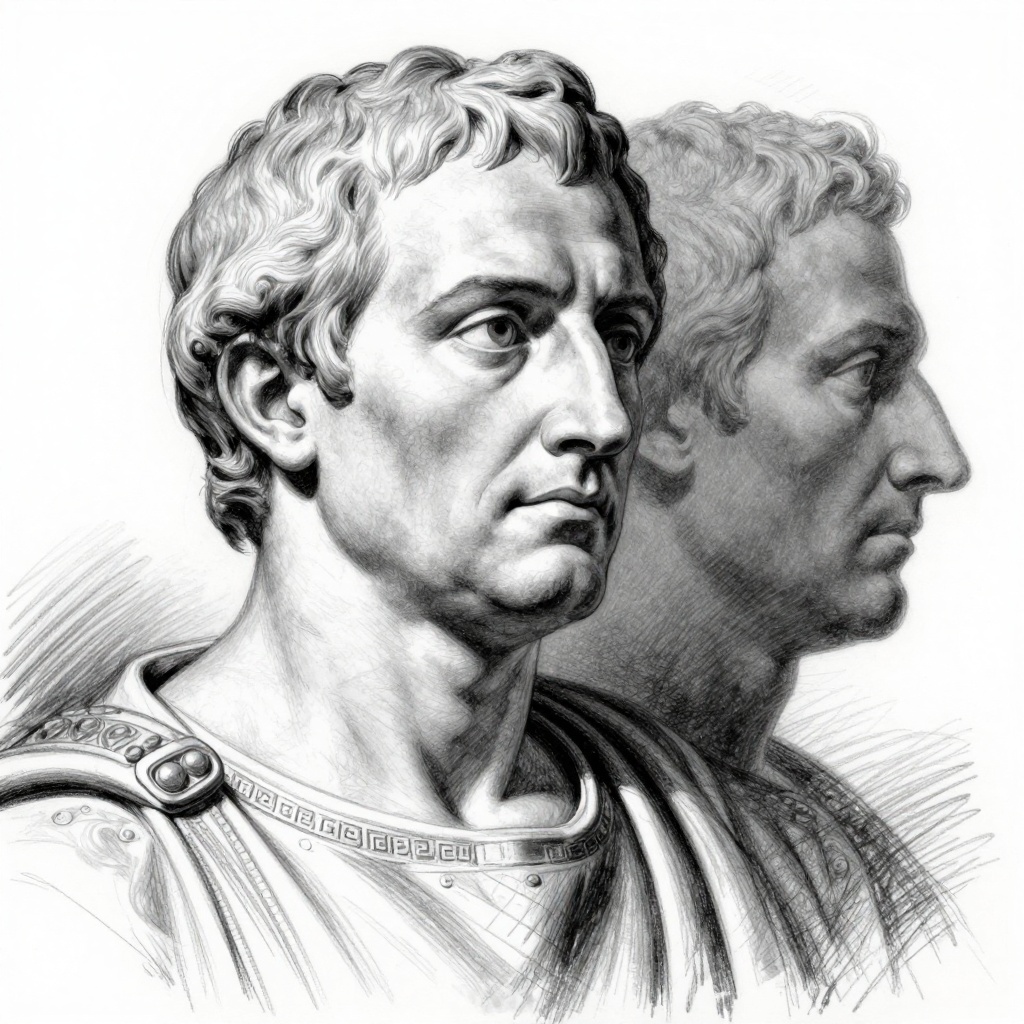
Comments