Quote · Added 15 February 2026
Explore
Reading
AI generatedWisdom is a choice, not a birthday
We live in a culture obsessed with credentials and timelines. Get your degree by 25, make partner by 40, retire at 65. But real wisdom doesn't work on a schedule. You can meet someone who's read everything and understood nothing, or someone who dropped out of high school but sees straight through to how things actually work. The difference isn't their birthday—it's whether they've genuinely paid attention to their own experience.
This matters because it takes the pressure off in a strange way. You don't have to have it figured out by some predetermined age. But it also means you can't just coast. Wisdom requires capacity—the willingness to stay curious, admit when you're wrong, sit with uncomfortable truths instead of defending old positions. A 22-year-old with that capacity will understand more about life than someone twice their age who stopped learning at 30.
The unsettling part? Capacity is mostly a choice. It's not about IQ or talent or luck. It's about whether you're actually trying to learn from what happens to you, or just collecting years and assuming they'll add up to insight on their own. They won't.
The author
All 4 quotes by Plautus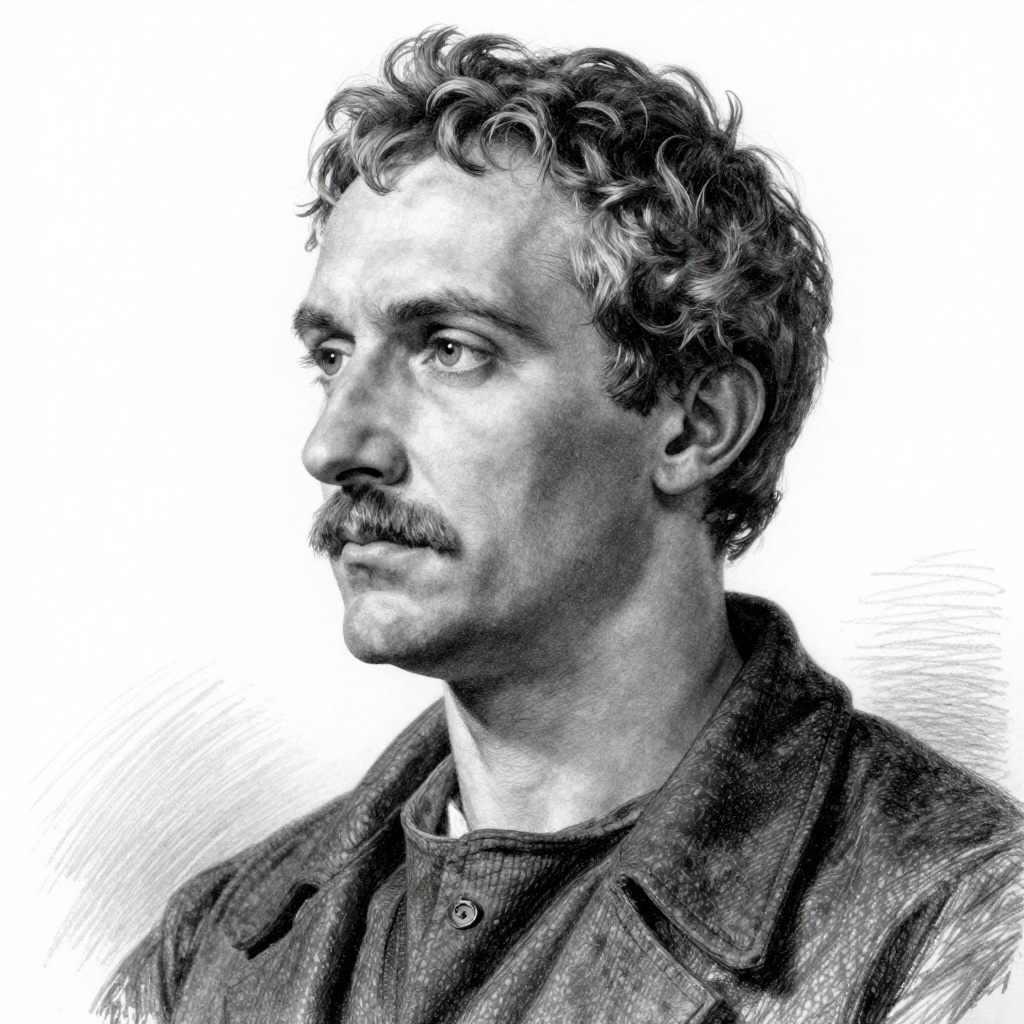
Plautus
d. 184
Plautus was a Roman playwright active during the 3rd and 2nd centuries BCE, renowned for his comedic works that significantly shaped the development of Roman theatre. His notable plays, such as "Bacchides" and "Miles Gloriosus," were characterized by their clever wordplay, farcical situations, and the use of stock characters, drawing inspiration from earlier Greek comedies. Plautus is often credited with influencing later playwrights, including Shakespeare and Molière, making him a pivotal figure in the history of dramatic literature.
Also by Plautus
You must spend money to make money.
Comments