Quote · Added 14 February 2026
Explore
Reading
AI generatedThe rare pull of genuine character
Most of us know someone who seems to shine in a room—not because of what they're wearing, but because of how they listen, how they treat people, how they keep their word. That person might drive an old car and shop at thrift stores, yet they're somehow more magnetic than someone with a closet full of expensive things. This quote gets at something we actually observe all the time but rarely name directly: the magnetic pull of genuine character.
Here's the tricky part, though. We live in a world obsessed with the visible—the right clothes, the right car, the right image on social media. It's easy to spend years decorating the outside while letting the inside get hollow. The quiet insight is that character is harder to build and therefore rarer, which is exactly why it matters more. You can't buy your way into being someone people trust, admire, or want to become. You have to actually do the small, unglamorous work of keeping your word, treating people with respect, staying curious, and being honest even when it costs you.
The real freedom in this idea is that character is genuinely in your control in a way jewels never are. Fortune can disappear tomorrow. But who you are—that's something you're building right now, in how you respond to this day, this conversation, this choice.
The author
All 4 quotes by Plautus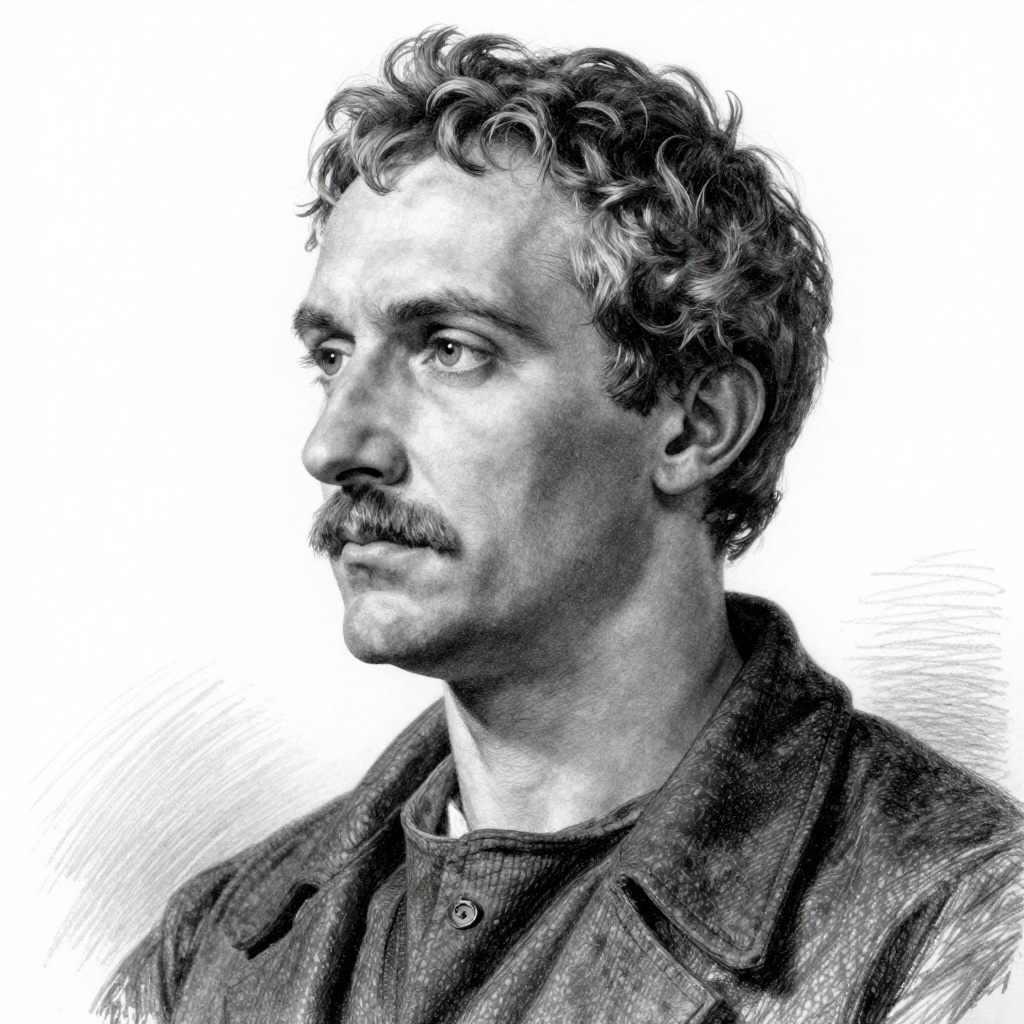
Plautus
d. 184
Plautus was a Roman playwright active during the 3rd and 2nd centuries BCE, renowned for his comedic works that significantly shaped the development of Roman theatre. His notable plays, such as "Bacchides" and "Miles Gloriosus," were characterized by their clever wordplay, farcical situations, and the use of stock characters, drawing inspiration from earlier Greek comedies. Plautus is often credited with influencing later playwrights, including Shakespeare and Molière, making him a pivotal figure in the history of dramatic literature.
Also by Plautus
Not by age but by capacity is wisdom acquired.
Comments