Quote · Added 14 February 2026
Be patient and understanding. Life is too short to be vengeful or malicious.
No ratings yet
Filed underpatience·kindness·understanding
Quote · Added 14 February 2026
Filed underpatience·kindness·understanding
There's something we all know but rarely admit: the person who wronged us is taking up permanent real estate in our head, while they've probably moved on. Holding onto anger feels justified in the moment—it feels like we're protecting ourselves—but what we're actually doing is letting someone else's bad behavior define our own. Patience and understanding aren't soft responses. They're the harder, smarter choice that frees us.
The tricky part is that understanding doesn't mean accepting what happened or pretending it was okay. It means recognizing that most people aren't villain characters in a story. They're usually just confused, scared, or acting from their own damage. When you can see someone that way—even someone who hurt you—something shifts. You stop needing revenge to feel whole.
This matters more now than ever, because we live in a culture that rewards quick judgment and public callouts. But spite has a shelf life. Five years from now, you won't remember who was right; you'll remember who you became while holding that grudge. Patience gives you something revenge never can: the chance to be someone you actually like.
1835–1893·lived 57 years
Phillips Brooks was an American Episcopal bishop and preacher, born on December 13, 1835, in Boston, Massachusetts. He is best known for his powerful sermons and his role as the rector of Trinity Church in Boston, where he served from 1869 to 1891, as well as for writing the Christmas hymn "O Little Town of Bethlehem." Brooks was consecrated as the Bishop of Massachusetts in 1891 and became a prominent figure in the American Episcopal Church until his death on January 23, 1893.
Also by Phillips Brooks
Forgive, forget. Bear with the faults of others as you would have them bear with yours.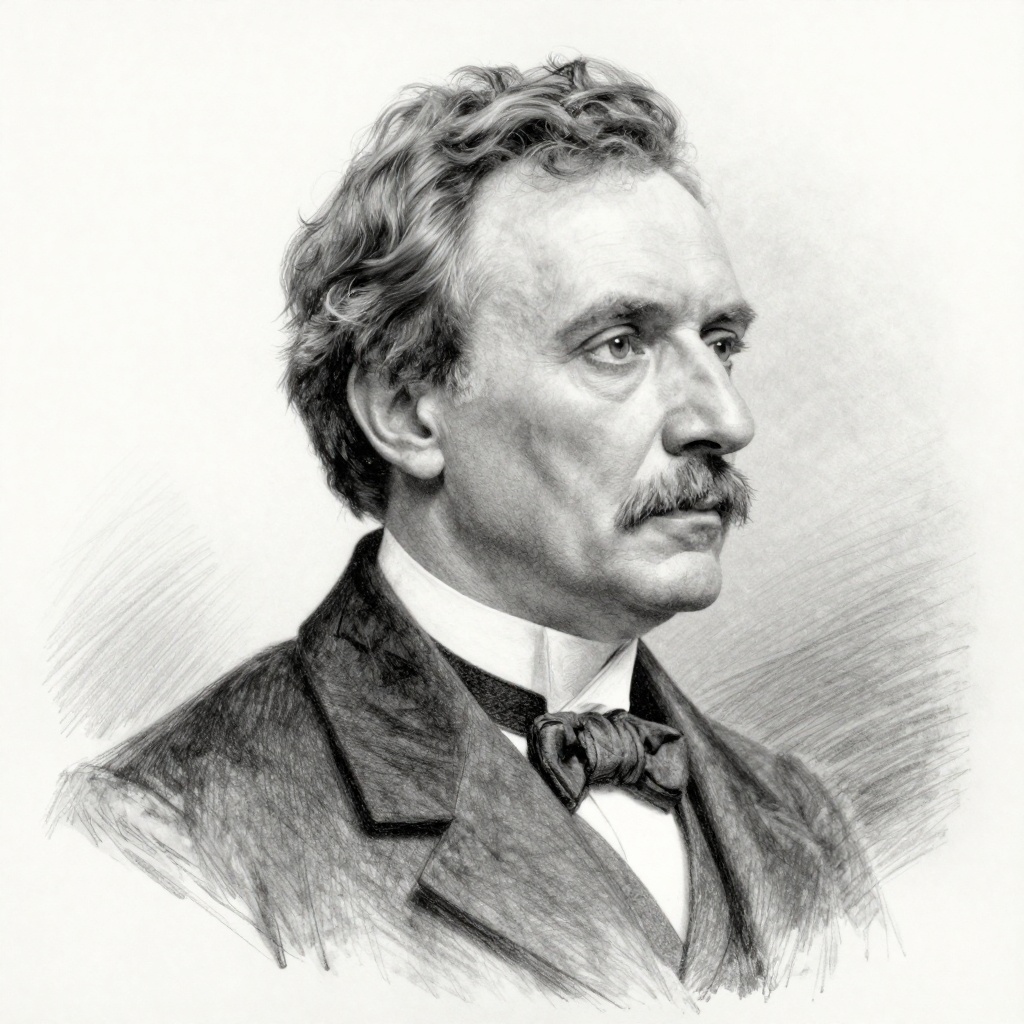
Comments