Quote · Added 14 February 2026
Forgive, forget. Bear with the faults of others as you would have them bear with yours.
Phillips BrooksPhillips Brooks Quotes and Sayings, Wise Sayings
No ratings yet
Quote · Added 14 February 2026
We live in an age of permanent memory. Screenshots, receipts, shared posts—nothing really disappears anymore, and neither does our hurt. So "forgive, forget" sounds almost naive. But there's something quietly radical about it: the suggestion that holding onto someone's mistake actually diminishes you more than it punishes them. You're the one replaying the conversation at 2 a.m., not them.
The real insight here isn't that forgetting is possible—it usually isn't, and maybe shouldn't be. It's that forgetting doesn't have to come first. You can remember what someone did and still choose to let it stop mattering. That gap between remembering and holding a grudge is where actual freedom lives. It's the difference between "I know what you did" and "and I've decided it doesn't define how I treat you."
The second part gets at something even deeper: we all mess up constantly. We say the wrong thing, disappoint people, fail to show up the way we meant to. Recognizing that pattern in yourself makes it harder to stay furious at others for their version of the same thing. It's less about being a doormat and more about understanding that everyone's doing their best with what they know, just like you are.
1835–1893·lived 57 years
Phillips Brooks was an American Episcopal bishop and preacher, born on December 13, 1835, in Boston, Massachusetts. He is best known for his powerful sermons and his role as the rector of Trinity Church in Boston, where he served from 1869 to 1891, as well as for writing the Christmas hymn "O Little Town of Bethlehem." Brooks was consecrated as the Bishop of Massachusetts in 1891 and became a prominent figure in the American Episcopal Church until his death on January 23, 1893.
Also by Phillips Brooks
Be patient and understanding. Life is too short to be vengeful or malicious.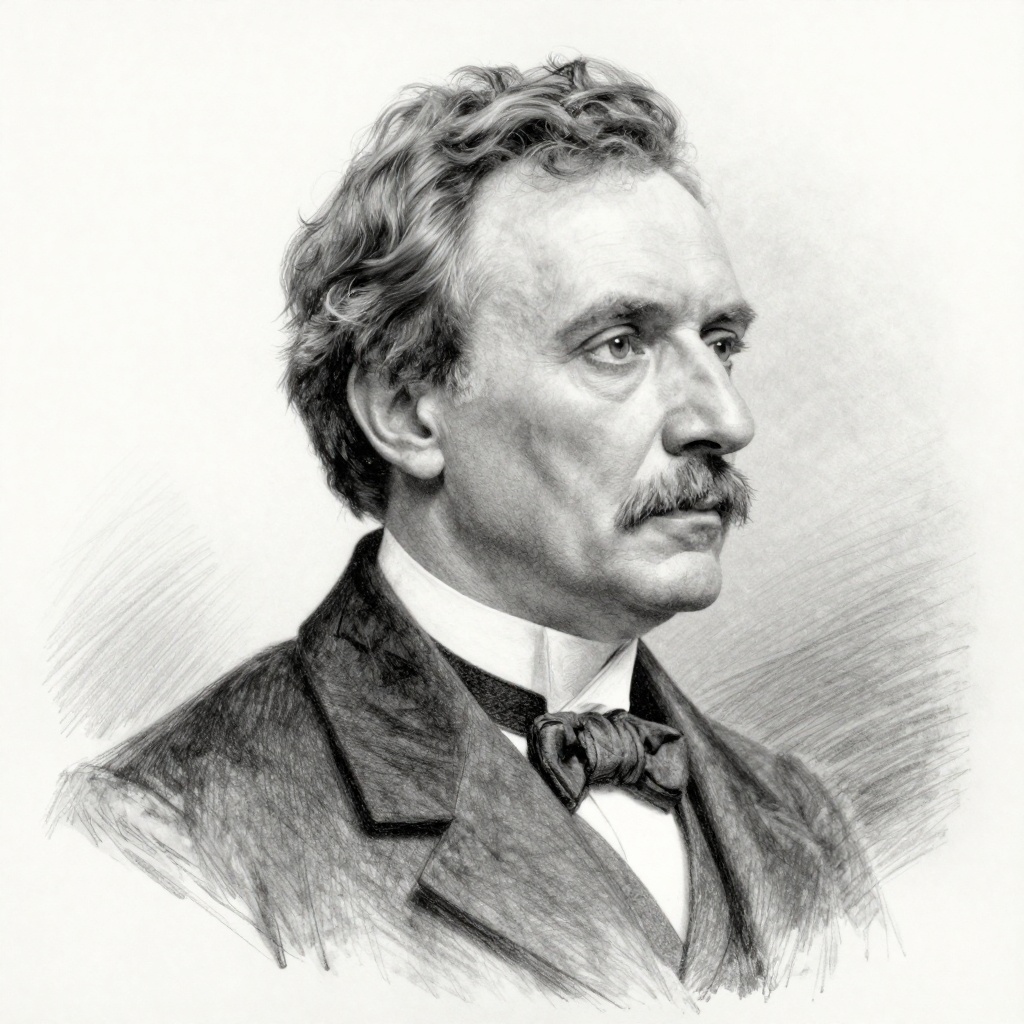
Comments