Quote · Added 14 February 2026
Five enemies of peace inhabit with us - avarice, ambition, envy, anger, and pride; if these were to be banished, we should infallibly enjoy perpetual peace.
PetrarchLetters, Book I, Letter 3, 1345
No ratings yet
Quote · Added 14 February 2026
We're all familiar with the moment something small—a comment, a promotion given to someone else, a comparison on social media—suddenly makes us feel smaller. That spark of envy, the heat of anger, the sneaky voice suggesting we deserve better: these aren't character flaws that only show up in terrible people. They're wired into how we experience threat, scarcity, and status. Petrarch's list names them unflinchingly because they're not abstract vices—they're the specific ways we turn inward and defensive.
What's striking is that he doesn't blame external circumstances. The world could be objectively fair, and these five would still find purchase in us. Peace, by this reading, isn't something we negotiate into existence through better systems or policies alone. It's something that requires a quieter, harder work: noticing when ambition tips into needing to diminish someone else, or when pride keeps us from admitting we were wrong. Most of us will never fully banish these impulses. But the moment we name them—see them operating in real time—their grip loosens just enough to choose differently.
1304–1374·lived 69 years
Petrarch, born Francesco Petrarca in 1304 in Arezzo, Italy, was a poet and scholar best known for his contributions to Renaissance literature and humanism. He is often referred to as the "Father of Humanism" for his revival of classical literature and his emphasis on introspection and individualism, particularly through his famous sonnet sequence dedicated to Laura, which greatly influenced the development of lyrical poetry. Petrarch's work laid the groundwork for later Renaissance poets and established the use of the Italian sonnet form.
Also by Petrarch
Rarely do great beauty and great virtue dwell together.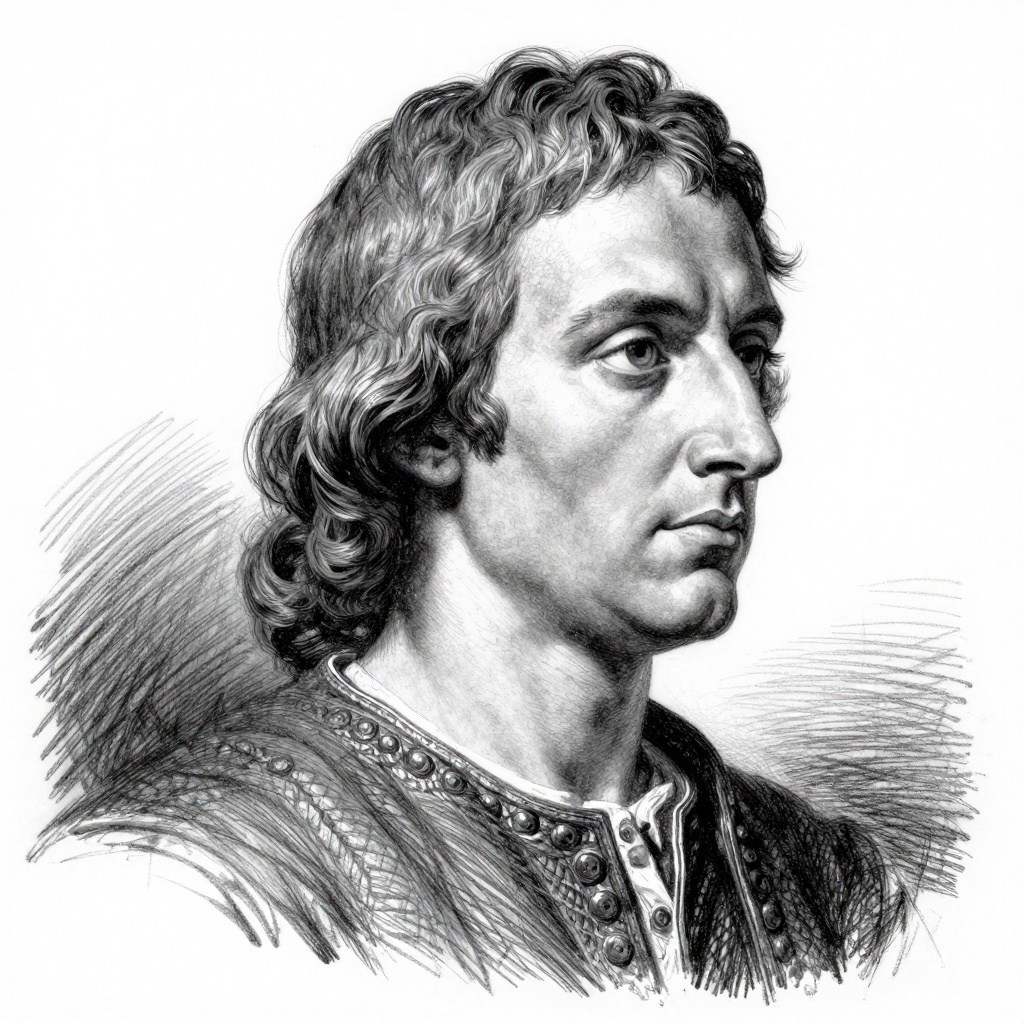
Comments