Quote · Added 14 February 2026
Rarely do great beauty and great virtue dwell together.
PetrarchLetters, Book I, Letter 3
No ratings yet
Quote · Added 14 February 2026
We're uncomfortable with this observation because we want to believe that goodness and attractiveness naturally go together. We've built an entire mythology around it—that beautiful people are kinder, that virtue makes you glow, that the halo effect is just a cognitive bias we can easily dismiss. But Petrarch is pointing at something real: beauty can actually make life easier in ways that don't require virtue. When doors open because of how you look, you don't need to develop the character that comes from struggling against resistance.
This matters more now than ever, in a visual culture where attractiveness is amplified and monetized. Someone with conventional beauty can build an audience, gain influence, and create a career without developing the slower, harder qualities—integrity, patience, the ability to sit with discomfort. The tragedy isn't that beautiful people are bad; it's that beauty can become a shortcut that bypasses the difficult work of becoming genuinely good.
The non-obvious part? This cuts both ways. If you've been overlooked or underestimated because of how you look, you've likely been forced to develop real skills and character. That's not fair compensation for the obstacles, but it's worth recognizing what you've actually built.
1304–1374·lived 69 years
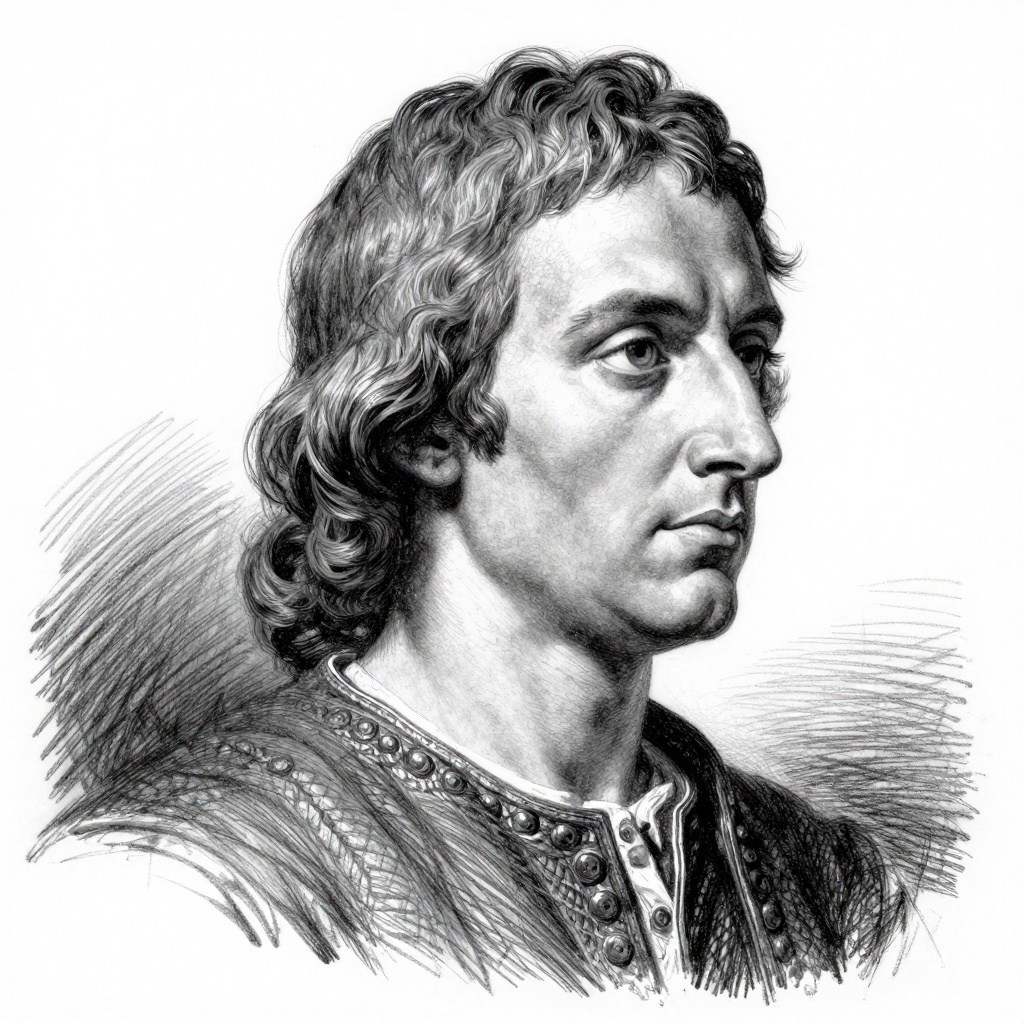
Petrarch, born Francesco Petrarca in 1304 in Arezzo, Italy, was a poet and scholar best known for his contributions to Renaissance literature and humanism. He is often referred to as the "Father of Humanism" for his revival of classical literature and his emphasis on introspection and individualism, particularly through his famous sonnet sequence dedicated to Laura, which greatly influenced the development of lyrical poetry. Petrarch's work laid the groundwork for later Renaissance poets and established the use of the Italian sonnet form.
Comments · 1
There‘s a halo effect were we infer positive traits like trustworthiness or moral character from the attribute of attractiveness.