Quote · Added 9 February 2026
O, wind, if winter comes, can spring be far behind?
Percy Bysshe ShelleyOde to the West Wind, 1819
Quote · Added 9 February 2026
There's something almost stubborn about hope in this line—the kind that doesn't require evidence, just the memory that seasons change. When you're in the thick of winter, whether literal or metaphorical, it feels infinite. The cold has always been here. But Shelley's point cuts through that numbness: winter existing at all proves spring exists too. You've seen it before. The pattern is real, not wishful thinking.
What makes this stick today is that we live in a culture obsessed with immediate solutions. We want to fix the hard season before it fully arrives, or skip past it entirely. But Shelley suggests something quieter: acceptance that difficulty is cyclical and temporary. Not in a dismissive way—winter is genuinely brutal—but in a way that removes the panicked urgency from your suffering. You don't have to do anything special to end it except wait and keep going.
The non-obvious part? This isn't actually about optimism. It's about pattern recognition. Spring doesn't come because you're positive enough; it comes because of how the world works. That's somehow more reassuring than any cheerleading would be. Your winter doesn't need to be earned away—it just needs to be endured.
1792–1822·lived 29 years
Percy Bysshe Shelley (1792–1822) was an English poet known for his lyrical and controversial works, which had a significant impact on the Romantic movement. Often characterized by his idealistic views and criticism of established institutions, Shelley's notable poems include "Ode to the West Wind" and "Ozymandias."
Also by Percy Bysshe Shelley
A poet is a nightingale, who sits in darkness and sings to cheer its own solitude with swe...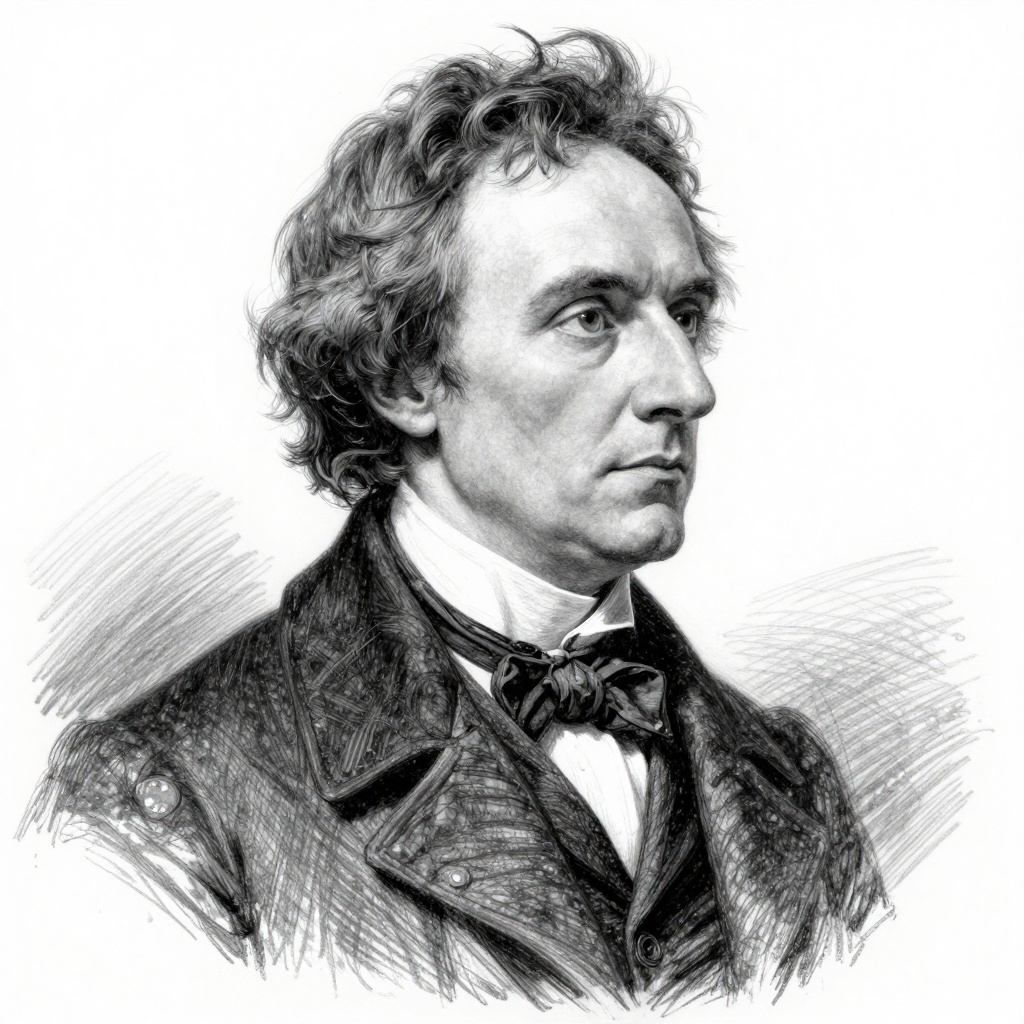
Comments