Quote · Added 14 February 2026
A poet is a nightingale, who sits in darkness and sings to cheer its own solitude with sweet sounds.
Percy Bysshe ShelleyA Defence of Poetry, 1821
Filed underpoet·solitude·creativity
Quote · Added 14 February 2026
Filed underpoet·solitude·creativity
There's something quietly radical about this image: the poet isn't performing for an audience or trying to impress anyone. The nightingale sings in the dark, alone, because silence would be unbearable. This actually describes how most creative work happens—not on stage or in front of admiring crowds, but in private struggle, when you're trying to make sense of confusion or pain by turning it into something beautiful.
What's interesting is that Shelley isn't saying artists are naturally gifted or chosen. He's saying they're people who learned to talk to themselves through their craft. The "sweet sounds" aren't proof of talent—they're proof of survival. A poet keeps making things because the alternative is drowning in solitude. This applies beyond poetry too. Anyone who journaled through a hard time, played music alone in their room, or wrote something just to understand their own thoughts knows this feeling.
The real insight is that creation often starts selfish, not selfless. You're not cheering others; you're cheering yourself. And maybe that's the most honest reason to make anything at all—not because you're supposed to, but because you have to.
1792–1822·lived 29 years
Percy Bysshe Shelley (1792–1822) was an English poet known for his lyrical and controversial works, which had a significant impact on the Romantic movement. Often characterized by his idealistic views and criticism of established institutions, Shelley's notable poems include "Ode to the West Wind" and "Ozymandias."
Also by Percy Bysshe Shelley
Poets are the unacknowledged legislators of the world.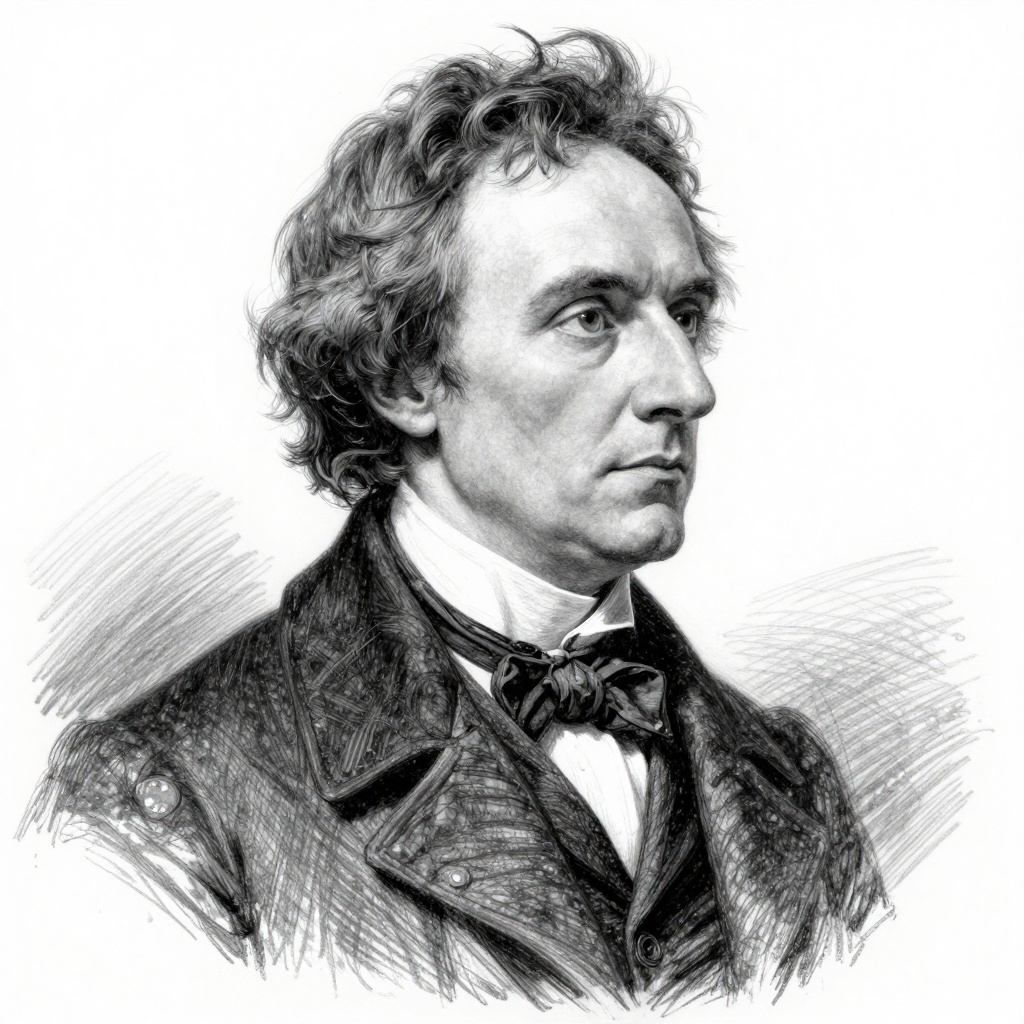
Comments