Quote · Added 14 February 2026
It's so fine and yet so terrible to stand in front of a blank canvas.
No ratings yet
Filed undercanvas·creativity·fear
Quote · Added 14 February 2026
Filed undercanvas·creativity·fear
That blank canvas feeling shows up everywhere, not just in art studios. It's the email you need to write but haven't opened yet. The conversation you know you should have but keep postponing. The project at work where you're supposed to be the expert, so there's no hiding behind someone else's framework. There's a strange freedom in absolute possibility—you could go anywhere, do anything—but that freedom feels paralyzing rather than liberating.
What makes this moment "fine and terrible" at once is how it strips away excuses. You can't blame constraints or bad luck or unclear instructions because there aren't any yet. It's just you and potential. Some people never get comfortable with that exposure; they'd rather work within someone else's outline. But the people who push through—who learn to sit with that discomfort and start anyway—often discover that the blankness wasn't actually the hard part. Once you make the first mark, a direction emerges. The canvas starts talking back.
The real insight is that standing in front of blankness is less about having a perfect vision first and more about being willing to look foolish in private. Every creator, builder, or risk-taker lives in that moment repeatedly. You get better at tolerating it, but it never fully disappears.
1839–1906·lived 67 years
Paul Cézanne was a French painter born on January 19, 1839, and is widely regarded as a pivotal figure in the transition from 19th-century Impressionism to 20th-century Modern art. Known for his unique approach to color, composition, and form, Cézanne's work focused on landscapes, still lifes, and portraits, and he is often celebrated for his influence on the development of Cubism and abstract art. He passed away on October 22, 1906, leaving behind a rich legacy that reshaped the art world.
Also by Paul Cezanne
I paint as if I were Rothschild.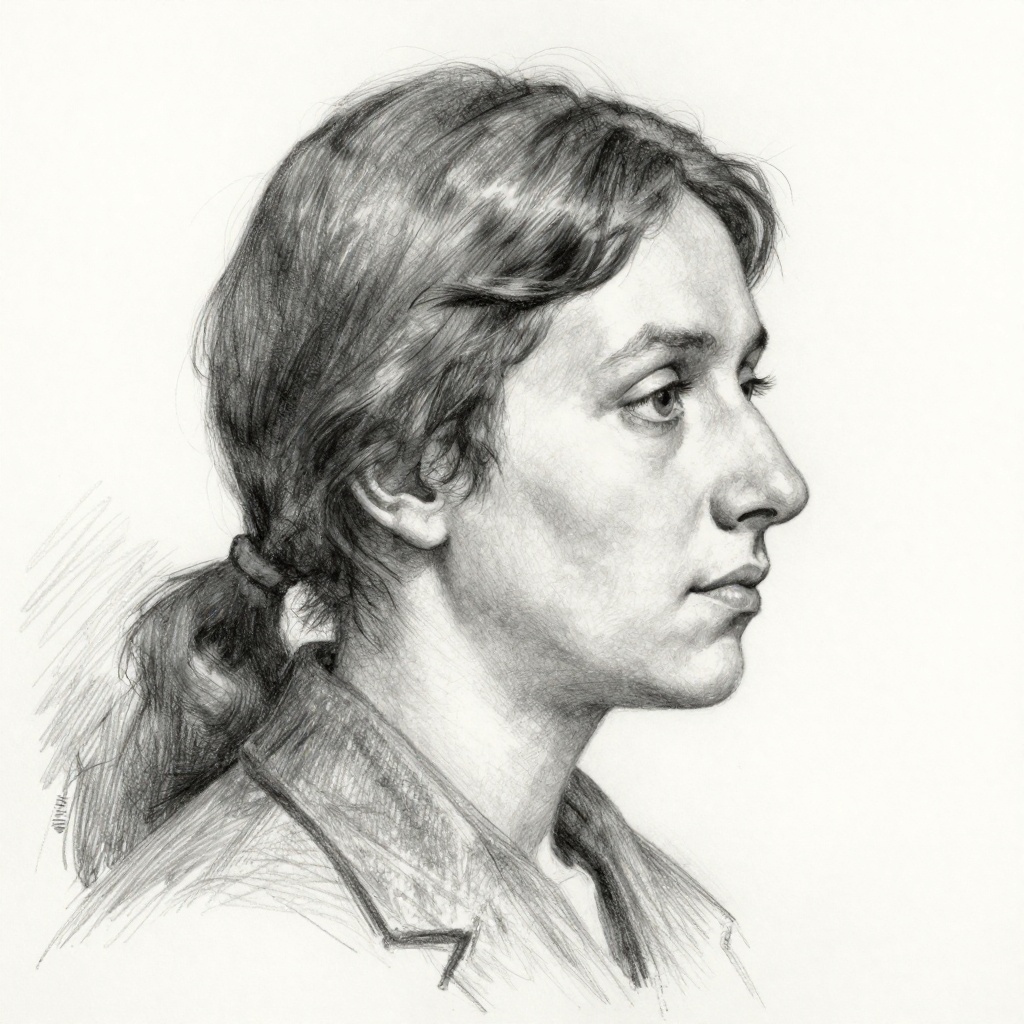
Comments