Quote · Added 14 February 2026
Genius is the ability to renew one's emotions in daily experience.
No ratings yet
Quote · Added 14 February 2026
Most of us think genius means arriving fully formed—the person who's always ahead, always certain, already polished. But Cezanne points at something harder and quieter: the capacity to stay awake to ordinary moments instead of sleepwalking through them. A genius, by this definition, is someone who can look at the same apple, the same hillside, the same light on a table, and feel something fresh about it today, rather than falling back on yesterday's conclusions.
This matters because it means genius isn't locked away in some special talent vault. It's available to anyone willing to resist the flattening effect of routine. When you truly notice how different a familiar person seems this morning, or feel genuinely interested in a problem you've tackled a hundred times, you're accessing something real. The opposite of genius, then, isn't lack of ability—it's numbness, the decision (usually unconscious) to let habit replace attention.
The tricky part is that renewing your emotions takes energy. It's easier to coast on automatic reactions. But the people who refuse to do that—who stay genuinely curious instead of cynical, who keep finding meaning in small things—they're not necessarily smarter. They're just choosing, over and over, to stay emotionally alive.
1839–1906·lived 67 years
Paul Cézanne was a French painter born on January 19, 1839, and is widely regarded as a pivotal figure in the transition from 19th-century Impressionism to 20th-century Modern art. Known for his unique approach to color, composition, and form, Cézanne's work focused on landscapes, still lifes, and portraits, and he is often celebrated for his influence on the development of Cubism and abstract art. He passed away on October 22, 1906, leaving behind a rich legacy that reshaped the art world.
Also by Paul Cezanne
I paint as if I were Rothschild.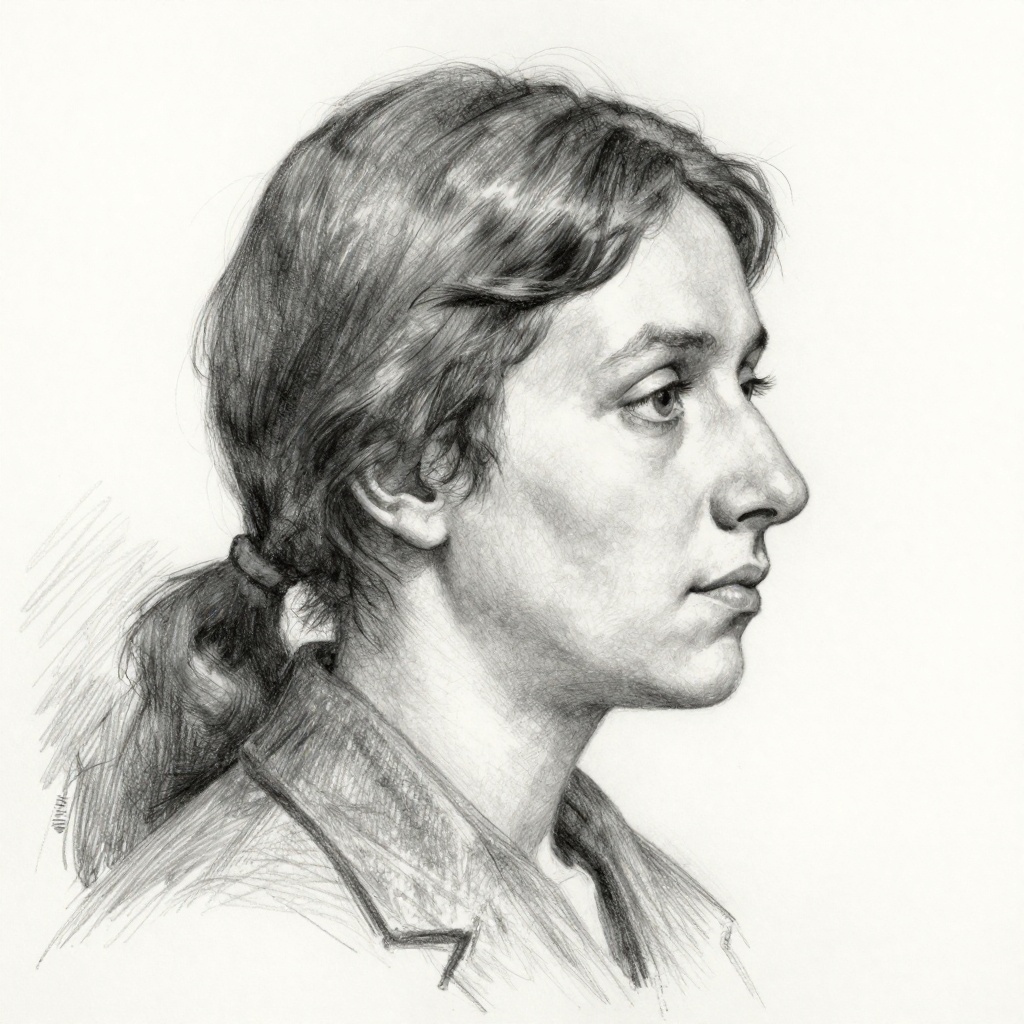
Comments