Quote · Added 14 February 2026
Waters are distilled out of Herbs, Flowers, Fruits, and Roots.
Nicholas CulpeperThe English Physician, 1652
No ratings yet
Filed underwaters·nature·distillation
Quote · Added 14 February 2026
Filed underwaters·nature·distillation
There's something almost magical about the idea that you can capture the essence of a plant—its flavor, its healing properties, its very spirit—by distilling it down to liquid form. What Culpeper was describing centuries ago is still how we work today, whether we're steeping tea, making tinctures, or even just understanding how concentrated something becomes when you remove everything else around it.
But here's the thing that makes this quote stick: it's really about extraction and refinement. When you strip away all the bulk and fiber, what remains is potent. That principle applies way beyond herbalism. It's why a single powerful conversation can matter more than a dozen superficial ones, why the most useful advice often strips away all the noise. It's why companies obsess over distilling their product to its core value, why writers labor over single sentences.
The practical takeaway is almost uncomfortable: most of what we're dealing with in life is filler. The water—the essential, the transformative part—is usually hidden inside, waiting to be extracted through attention and care. Whether you're learning a skill, processing an emotion, or literally making medicine, the real work isn't adding more. It's finding what matters and letting everything else fall away.
1616–1654·lived 37 years
Nicholas Culpeper (1616-1654) was an English botanist, herbalist, and physician known for his work in medical herbalism and the popularization of herbal medicine. He is best known for his book "The English Physician," which provided accessible descriptions of the medicinal properties of plants and advocated for the use of herbs in treatment rather than relying solely on traditional medicine. Culpeper's writings significantly influenced the fields of herbalism and rural medicine.
Also by Nicholas Culpeper
The Herbs ought to be distilled when they are in their greatest vigor, and so ought the Fl...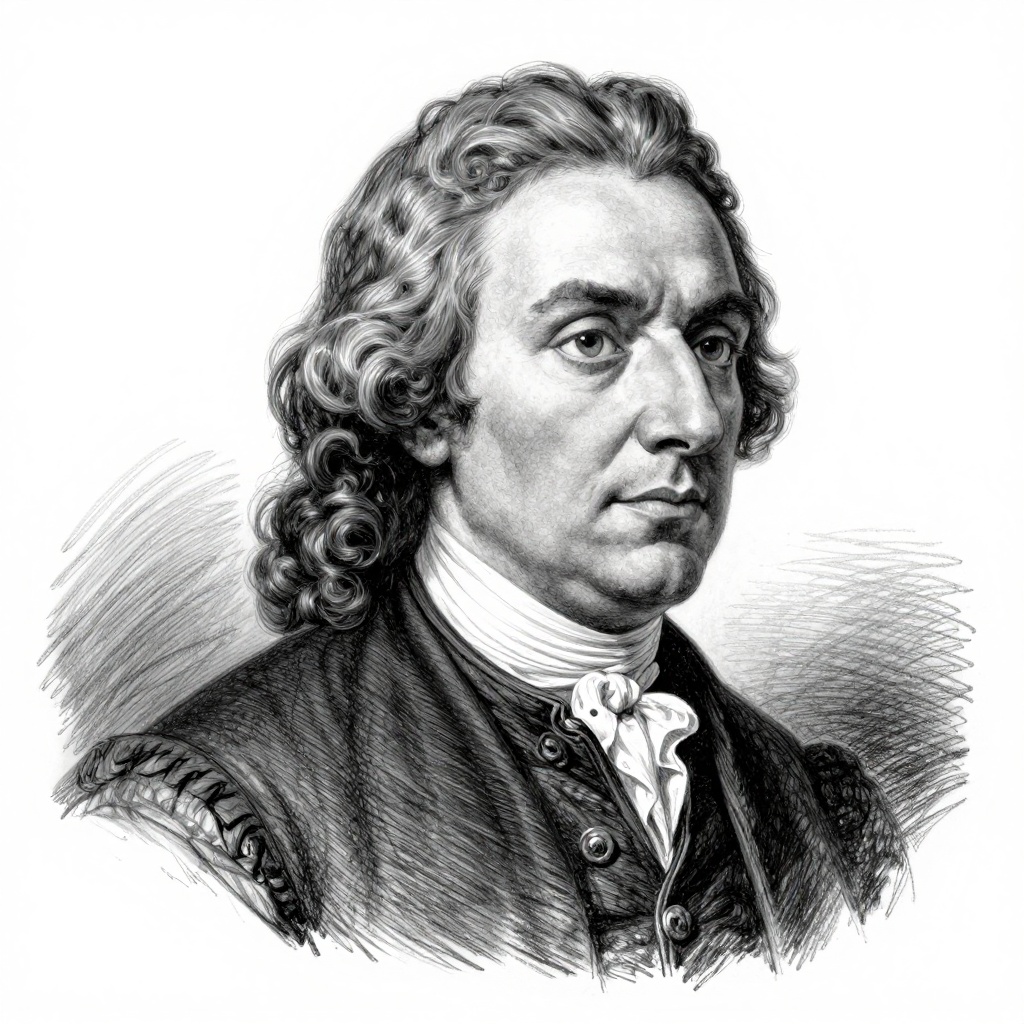
Comments