Quote · Added 14 February 2026
The Herbs ought to be distilled when they are in their greatest vigor, and so ought the Flowers also.
Nicholas CulpeperThe English Physician, 1652
No ratings yet
Quote · Added 14 February 2026
There's something counterintuitive about timing in this old herbalist's advice that applies far beyond the garden. We assume that waiting longer gives us more—more extraction, more potency, more value. But Culpeper understood that plants have a peak moment, and catching them then matters more than simply having more material to work with. The best version of something rarely comes from maximum quantity; it comes from maximum aliveness.
This logic sneaks into modern life constantly. We know it when we're trying to learn something new—the moment you're most curious and energized teaches you more than grinding through months of half-interested study. It applies to relationships too: the depth of a conversation depends less on its length than on whether both people are genuinely present and engaged. Even decisions feel sharper when you make them with clarity rather than after you've exhausted yourself deliberating.
The real insight is that timing beats intensity. A focused effort at the right moment produces something real. A scattered effort extended indefinitely usually just produces fatigue. Whether you're harvesting herbs or harvesting the best version of a project, a relationship, or even a day—the vigor matters more than the volume.
1616–1654·lived 37 years
Nicholas Culpeper (1616-1654) was an English botanist, herbalist, and physician known for his work in medical herbalism and the popularization of herbal medicine. He is best known for his book "The English Physician," which provided accessible descriptions of the medicinal properties of plants and advocated for the use of herbs in treatment rather than relying solely on traditional medicine. Culpeper's writings significantly influenced the fields of herbalism and rural medicine.
Also by Nicholas Culpeper
Waters are distilled out of Herbs, Flowers, Fruits, and Roots.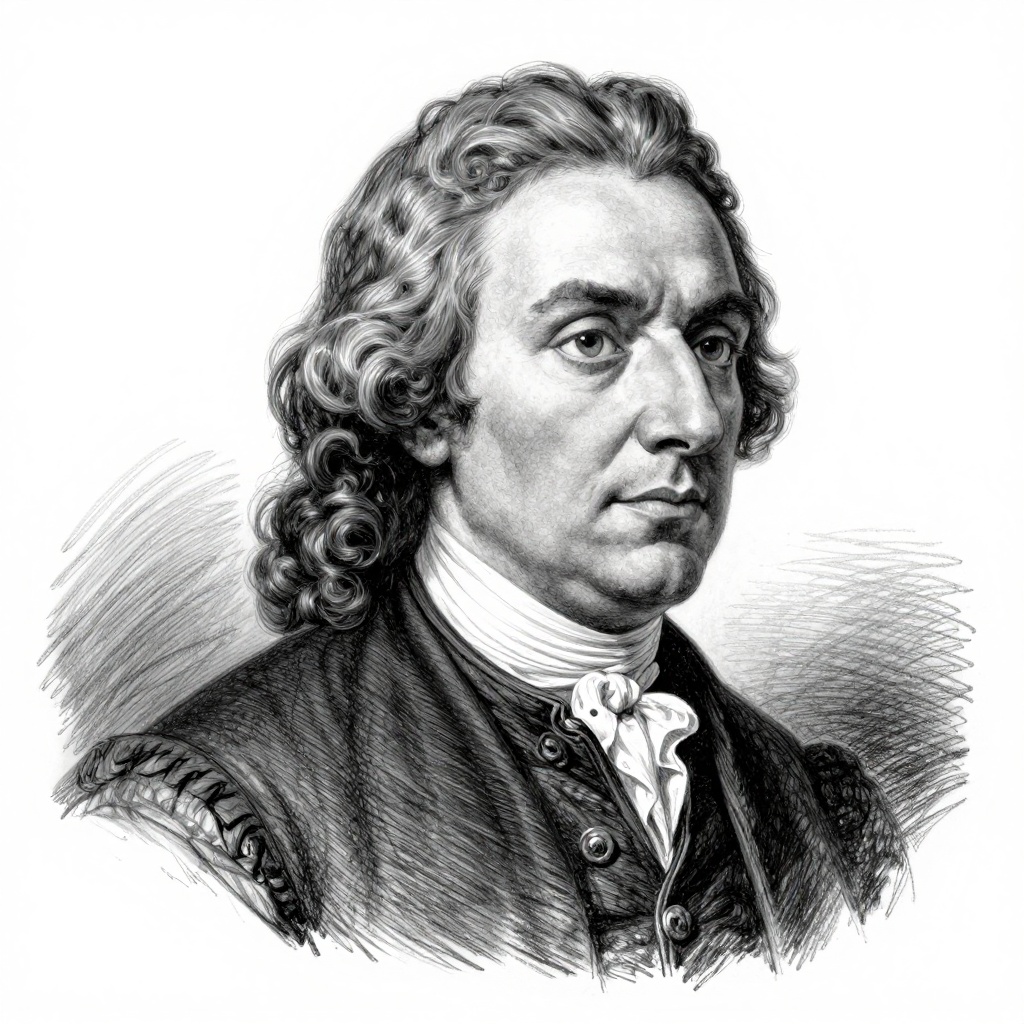
Comments