Quote · Added 5 July 2024
Men in general judge more from appearances than from reality. All men have eyes, but few have the gift of penetration.
Niccolò MachiavelliThe Prince, Chapter 18, 1513
No ratings yet
Filed underappearances·perception·insight
Quote · Added 5 July 2024
Filed underappearances·perception·insight
We live in an age of unprecedented appearances. Social media has turned everyone's life into a curated gallery, and we scroll through it making instant judgments—about people's success, happiness, relationships, intelligence. The polish of someone's LinkedIn profile or the aesthetic of their Instagram feed becomes the thing we actually know about them, even though we're just seeing what they chose to show us on their best day.
But here's the uncomfortable part: we're often not even aware we're doing this. It's easier to judge someone as "confident" based on how they carry themselves in a meeting than to actually understand what keeps them up at night. It takes real effort—the kind of attention most of us are too busy or tired to give—to move past first impressions and get at what's actually true about someone. Machiavelli wasn't being cynical so much as realistic about human nature. Most of us are too rushed, too distracted, or too emotionally reactive to look deeper.
The gift of penetration he mentions isn't just intelligence. It's curiosity that lasts longer than five seconds. It's asking a follow-up question instead of assuming. The people who actually understand what's happening around them—in relationships, at work, in the world—aren't necessarily smarter. They just chose to look past the surface long enough to see something real.
1469–1527·lived 58 years
Niccolò Machiavelli (1469–1527) was an Italian diplomat, politician, and philosopher during the Renaissance. He is best known for his political treatise "The Prince," which explores the idea that the ends justify the means in politics, leading to the term "Machiavellian" being used to describe cunning and deceitful behavior in political affairs.
Also by Niccolò Machiavelli
If you see your friend with your enemy, be sure that both are your enemy. One openly, the...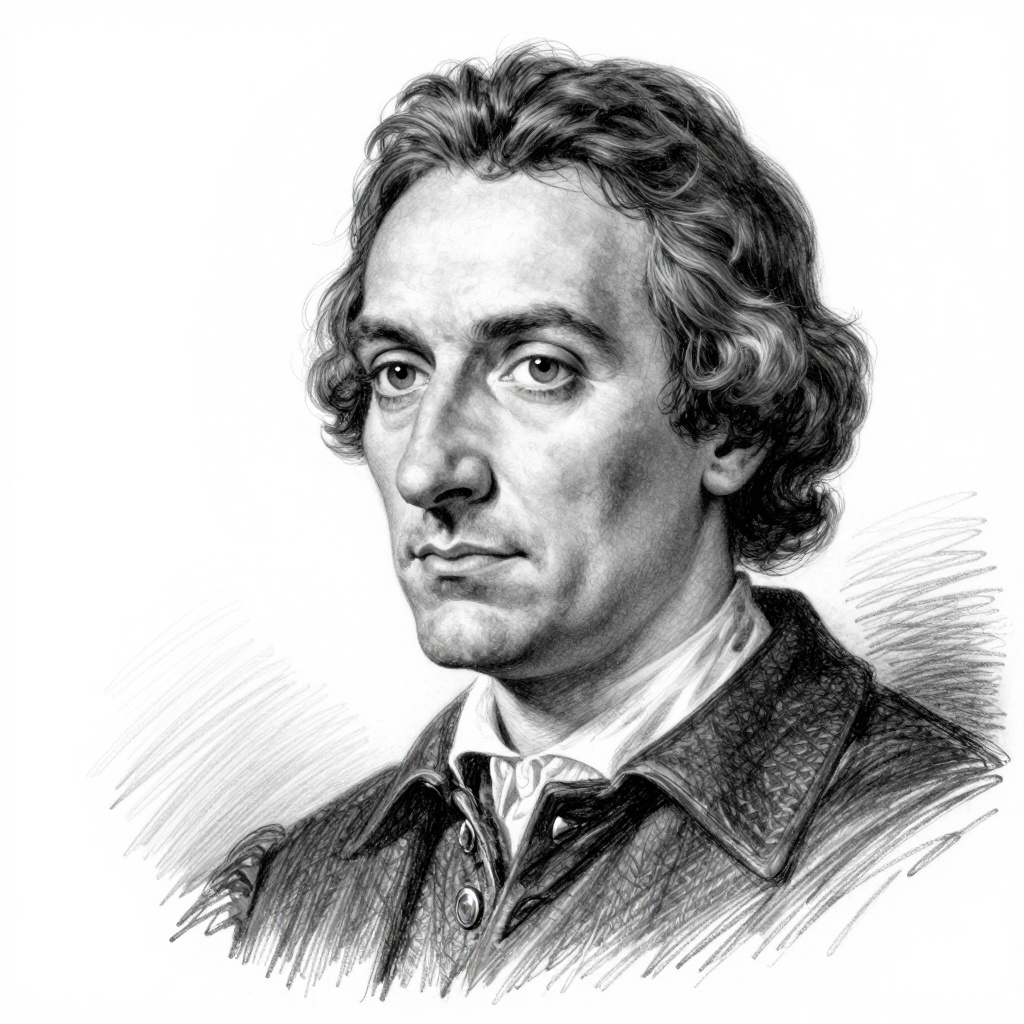
Comments