Quote · Added 14 February 2026
A wise ruler ought never to keep faith when by doing so it would be against his interests.
Niccolò MachiavelliThe Prince, Chapter 18, 1513/1532
No ratings yet
Quote · Added 14 February 2026
This quote unsettles us because it names something we already suspect: sometimes the most successful people break the rules the rest of us follow. Machiavelli wasn't being cynical just for shock value—he was watching powerful people succeed precisely because they were willing to abandon loyalty, promises, and trust when it served them. And the uncomfortable truth is, he was often right about how the world actually works, even if we don't want it to.
But here's where it gets interesting: this logic has a built-in expiration date. Machiavelli wrote for a world of isolated principalities where a ruler could vanish into war, make a deal, and disappear again. In today's world of reputation, social media, and interconnected systems, breaking faith doesn't just disappear. It echoes. Companies that deceive customers face boycotts. Politicians caught in lies lose elections. Even in business, the most durable advantage comes from people actually trusting you—which requires, annoyingly, that you be trustworthy.
The real insight isn't that rules don't matter. It's that Machiavelli was describing a short game. He was right about power's mechanics, but he underestimated how much power depends on being believed.
1469–1527·lived 58 years
Niccolò Machiavelli (1469–1527) was an Italian diplomat, politician, and philosopher during the Renaissance. He is best known for his political treatise "The Prince," which explores the idea that the ends justify the means in politics, leading to the term "Machiavellian" being used to describe cunning and deceitful behavior in political affairs.
Also by Niccolò Machiavelli
If you see your friend with your enemy, be sure that both are your enemy. One openly, the...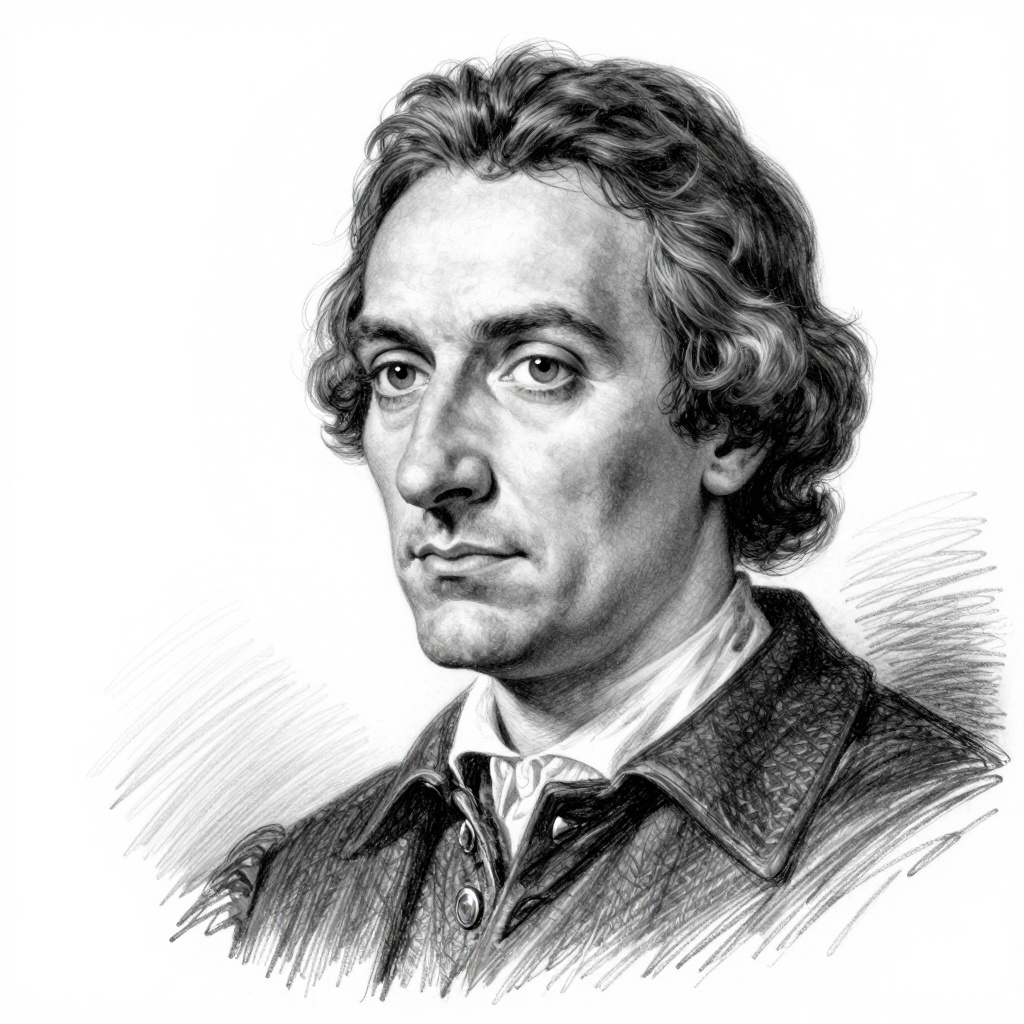
Comments