Quote · Added 17 August 2023
Whoever is winning at the moment will always seem to be invincible.
No ratings yet
Filed underwinning·perception·invincibility
Quote · Added 17 August 2023
Filed underwinning·perception·invincibility
We tend to mistake momentum for destiny. When someone's on a winning streak—whether it's a coworker landing big clients, a friend in a new relationship, or a team dominating their sport—there's this optical illusion where their success feels inevitable, almost unstoppable. We forget that they're still the same person who failed before, still capable of mistakes, still mortal. Napoleon knew this intimately. He watched empires rise and watched them crumble, and he understood that winning creates a kind of psychological blind spot—both in observers and in the winners themselves.
The tricky part is that this illusion works both ways. If you're the one winning, you start believing your own hype. You take fewer precautions, get lazier, stop questioning yourself. If you're watching from outside, you assume the game is already over, so you don't even try. But moments always shift. That unbeatable company stumbles on one bad decision. The person with everything figured out hits an unexpected wall. What looked invincible yesterday looks fragile today.
This matters because it frees you from two traps: despair when others are ahead, and recklessness when you're ahead yourself. Winning is real, but it's never as permanent as it feels in the moment.
1769–1821·lived 51 years
Napoleon Bonaparte was a French military general and the first Emperor of France, reigning from 1804 to 1814. He is best known for his military conquests that expanded the French Empire and his role in the Napoleonic Wars that had a significant impact on European history.
Also by Napoleon Bonaparte
A man is respected for what he achieves, not for what he promises.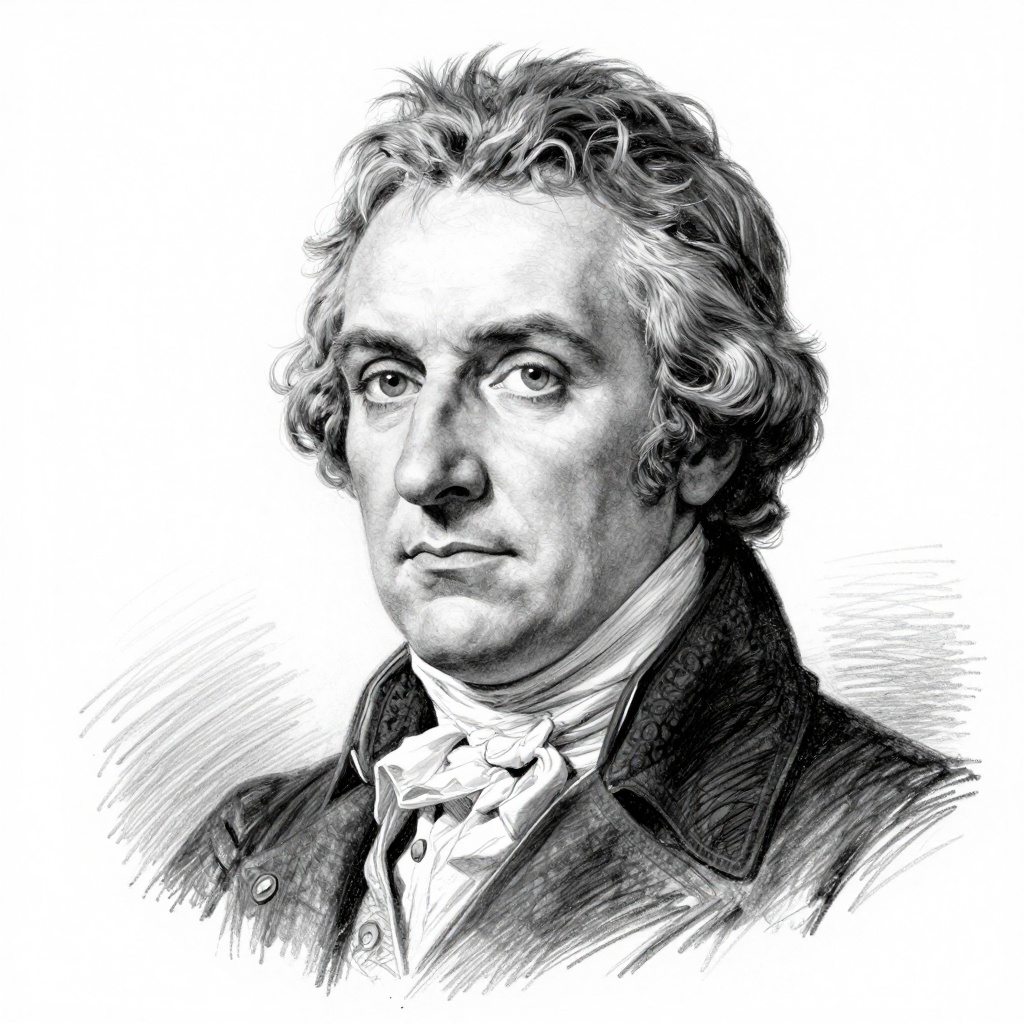
Comments