Quote · Added 14 February 2026
It requires more courage to suffer than to die.
No ratings yet
Quote · Added 14 February 2026
We tend to think of courage as a dramatic moment—running into a burning building, standing up to a tyrant, making a bold choice that changes everything. But Napoleon's observation points at something quieter and maybe harder: the daily grind of enduring pain, disappointment, or loss without resolution. Dying can be fast. Suffering stretches out.
Consider someone living with chronic illness, or grieving a relationship that ended badly, or trapped in a job they hate but can't leave. They don't get the clarity of a final moment. Instead they wake up tomorrow, and the next day, and the day after that, carrying the weight forward. There's no heroic exit. That's where real courage lives—not in the intensity of a single act, but in showing up when you're broken.
What makes this insight so modern is how we've built a culture that avoids discomfort at all costs. We swipe past pain, medicate it, distract ourselves from it. But some suffering simply can't be escaped, only walked through. The people who do that without becoming bitter or numb? They're actually braver than most of us realize.
1769–1821·lived 51 years
Napoleon Bonaparte was a French military general and the first Emperor of France, reigning from 1804 to 1814. He is best known for his military conquests that expanded the French Empire and his role in the Napoleonic Wars that had a significant impact on European history.
Also by Napoleon Bonaparte
A man is respected for what he achieves, not for what he promises.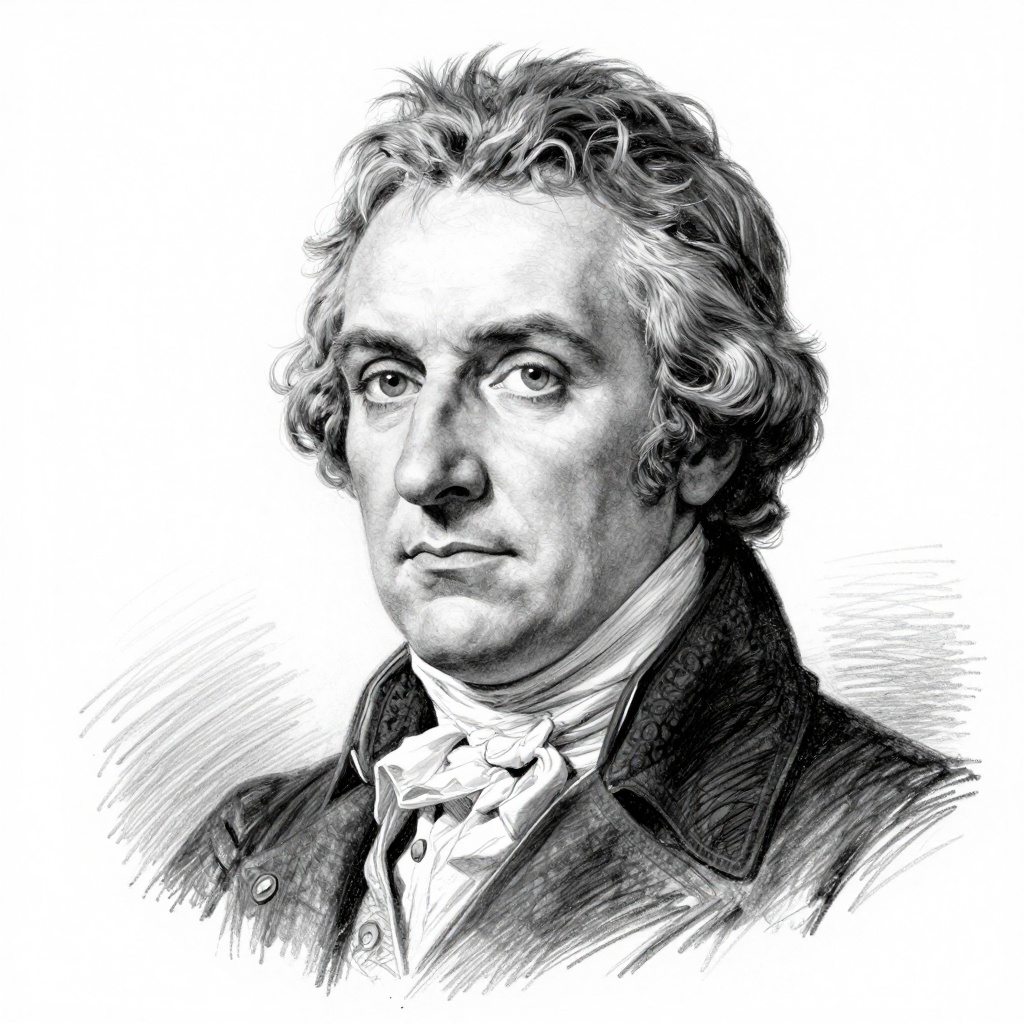
Comments