Quote · Added 1 September 2024
In politics, stupidity is not a handicap.
No ratings yet
Quote · Added 1 September 2024
We tend to think of politics as a game for the clever—the strategic mastermind who outthinks everyone else. But Napoleon's observation cuts the other way: sometimes a lack of subtlety is actually useful in politics. A straightforward person who commits fully to a simple message can move crowds more effectively than a brilliant strategist who second-guesses themselves into paralysis. Voters often respond to certainty, even unfounded certainty, more than they do to nuance.
The real insight here is about confidence versus intelligence. A politician who genuinely believes something—even if it's not well-reasoned—can project authority and momentum. Meanwhile, someone too aware of complexity and contradiction often appears weak or evasive. This doesn't mean smart people can't succeed in politics; it means that high intelligence without conviction or the ability to simplify gets you nowhere, while conviction without the burden of self-doubt can move mountains.
Today this feels especially relevant in a media landscape that rewards bold claims over careful analysis. We see it in marketing, social media influence, even office politics. The person who loudly takes a stand, however incomplete their thinking, often gains more ground than the thoughtful person endlessly weighing factors. It's unsettling, but it's also a useful reminder to check whether we're conflating intelligence with effectiveness.
1769–1821·lived 51 years
Napoleon Bonaparte was a French military general and the first Emperor of France, reigning from 1804 to 1814. He is best known for his military conquests that expanded the French Empire and his role in the Napoleonic Wars that had a significant impact on European history.
Also by Napoleon Bonaparte
A man is respected for what he achieves, not for what he promises.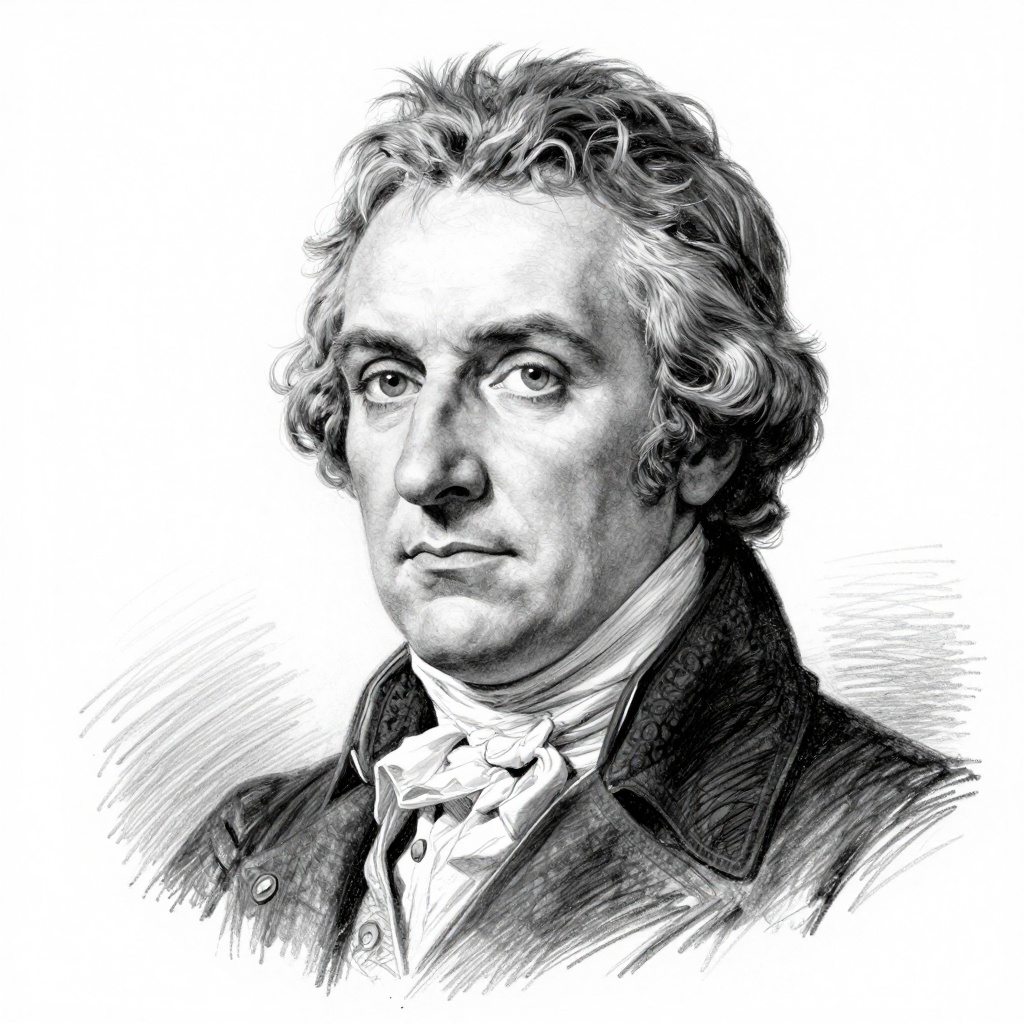
Comments