Quote · Added 9 February 2026
If I had to choose a religion, the sun as the universal giver of life would be my god.
Napoleon Bonaparte' — The Socratic Method
No ratings yet
Filed undersun·life·spirituality
Quote · Added 9 February 2026
Filed undersun·life·spirituality
There's something disarming about how this quote points to what might be the only thing humans have ever truly agreed on: the sun keeps us alive. Every civilization, every era, every person who's ever felt warmth on their skin understands this basic fact before they understand anything else. Napoleon's imagined religion captures something honest—a recognition that gratitude and wonder don't require doctrine or institutions. They just require paying attention.
What's interesting is how this impulse still shows up today, even in supposedly secular times. We're obsessed with sunlight therapy, vitamin D deficiency, the psychological boost of a sunny day. We describe joy as radiance and depression as darkness. We haven't gotten past the ancient human need to mark the sun's movements or feel its absence. Napoleon was probably being provocative with his court, but he was also naming something real: the desire for a faith grounded in something tangible, something you can actually see working.
The unspoken tension here is worth sitting with. Many of us want our beliefs to be rational and evidence-based, yet we still crave the reverence and meaning that religion traditionally offers. Maybe the question isn't whether the sun deserves worship, but what we're really hungry for when we imagine believing in something so fundamental and undeniable.
1769–1821·lived 51 years
Napoleon Bonaparte was a French military general and the first Emperor of France, reigning from 1804 to 1814. He is best known for his military conquests that expanded the French Empire and his role in the Napoleonic Wars that had a significant impact on European history.
Also by Napoleon Bonaparte
A man is respected for what he achieves, not for what he promises.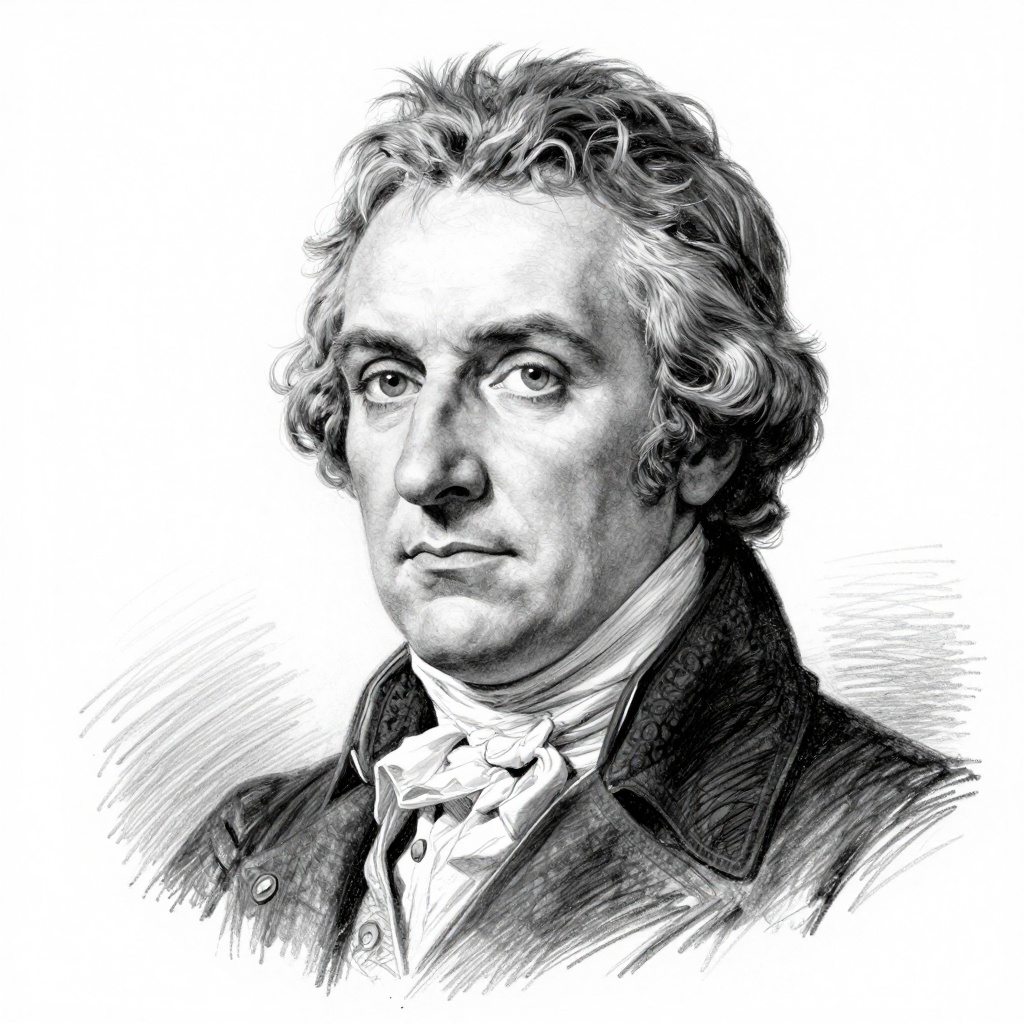
Comments