Quote · Added 8 February 2026
I have destroyed the Austrian army by simply marching.
Napoleon BonaparteNapoleon at War, PBS, 2000
No ratings yet
Quote · Added 8 February 2026
There's something unsettling about this claim—not because it's false, but because it reveals how often we win battles we never actually fight. Napoleon understood that sometimes the appearance of inevitability is more powerful than the clash itself. An army that knows it's outmaneuvered, cut off, or facing superior positioning doesn't always need to be defeated in combat. It can be defeated by the simple knowledge that defeat is coming.
This plays out in everyday life more than we'd like to admit. A well-timed email can change someone's mind without argument. Walking into a room with genuine confidence can shift a negotiation before you've said anything substantive. Sometimes just showing up prepared, knowing your ground, and moving deliberately is enough to dissolve the other person's resistance. We spend enormous energy rehearsing confrontations that never happen because the preliminary moves were decisive.
The uncomfortable part is recognizing when we're the Austrian army—when we've already lost because we've accepted the other person's framing, their position, their momentum. The real victory often belongs to whoever sets the terms before the real struggle begins. It's a reminder that much of what we call "winning" has very little to do with the dramatic collision we imagine.
1769–1821·lived 51 years
Napoleon Bonaparte was a French military general and the first Emperor of France, reigning from 1804 to 1814. He is best known for his military conquests that expanded the French Empire and his role in the Napoleonic Wars that had a significant impact on European history.
Also by Napoleon Bonaparte
A man is respected for what he achieves, not for what he promises.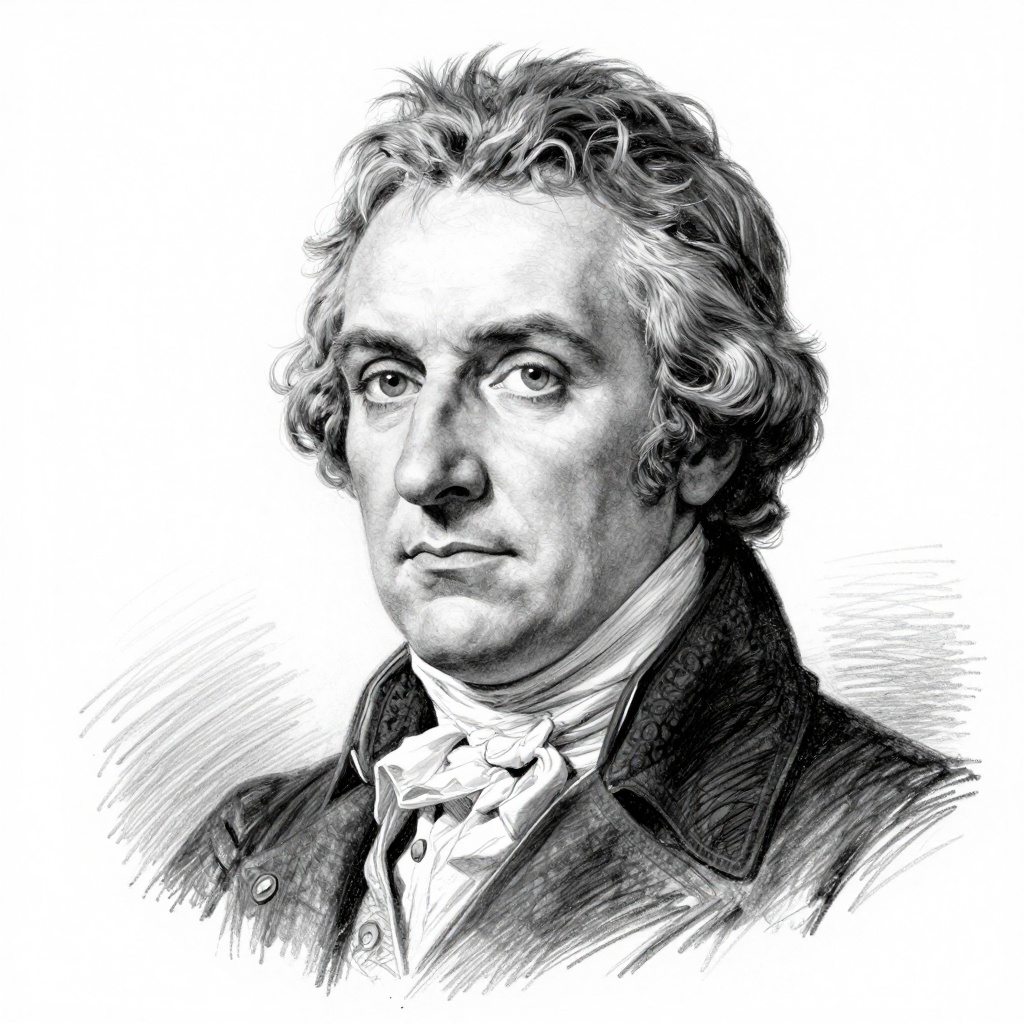
Comments