Quote · Added 27 February 2026
History is a set of lies agreed upon.
No ratings yet
Filed underhistory·truth·perception
Quote · Added 27 February 2026
Filed underhistory·truth·perception
We tend to think of history as settled fact, recorded in textbooks and museums. But this quote points to something more unsettling: the stories we accept as "what really happened" are often shaped by who had the power to tell them. The victors write the history books. Powerful nations get to frame their wars as just. Uncomfortable chapters get glossed over or reframed as necessary evils. We're not talking about outright fabrication so much as selective memory—what gets emphasized, what gets forgotten, what gets the sympathetic framing.
This matters because it makes us realize we're living inside agreed-upon stories right now. Political movements, national identity, even family myths operate the same way. A shared understanding emerges not because it's the complete truth, but because enough people have settled on it. The interesting part isn't to become cynical about all of history—it's to notice which parts we're agreeing to believe without questioning, and why. When you read about the past, ask who's telling the story and what they left out. Better yet, ask what stories about today future people will find shocking we simply accepted.
1769–1821·lived 51 years
Napoleon Bonaparte was a French military general and the first Emperor of France, reigning from 1804 to 1814. He is best known for his military conquests that expanded the French Empire and his role in the Napoleonic Wars that had a significant impact on European history.
Also by Napoleon Bonaparte
A man is respected for what he achieves, not for what he promises.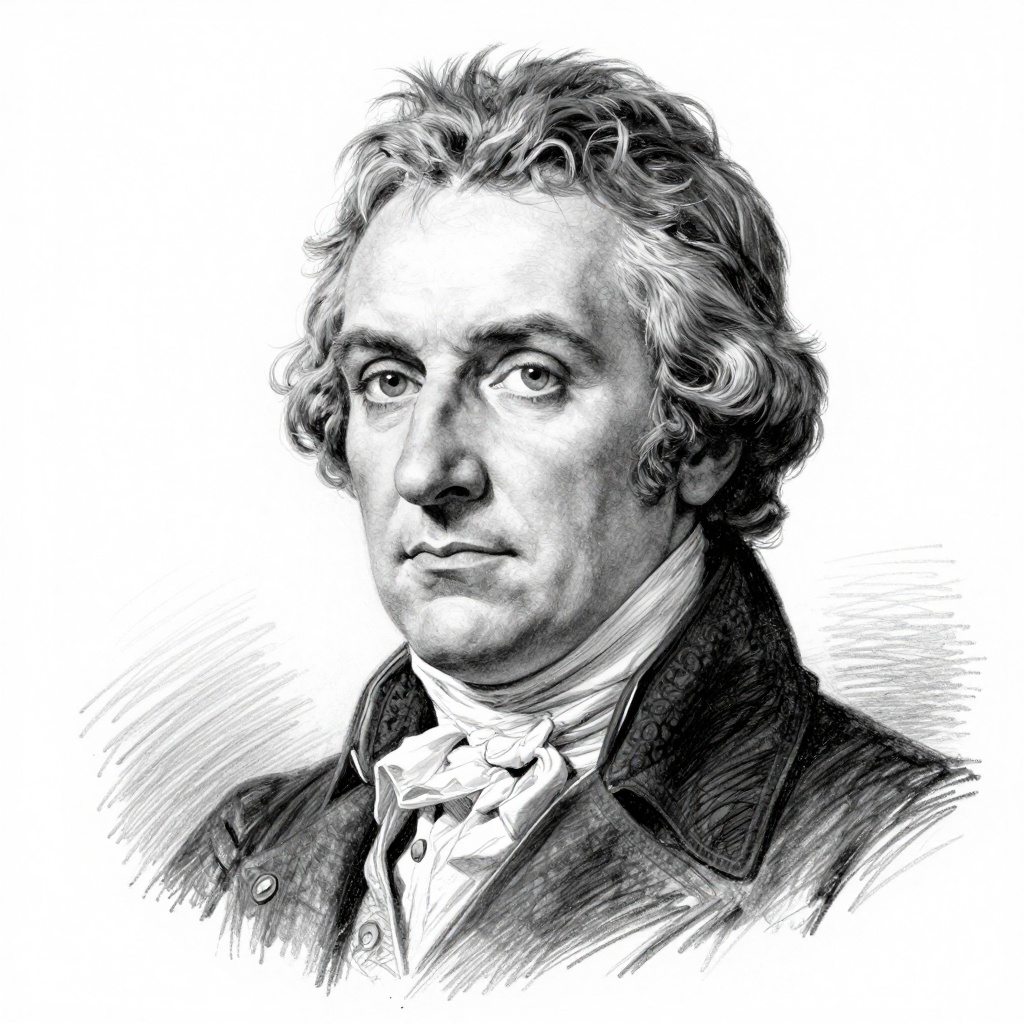
Comments