Quote · Added 16 March 2026
Hesitation is fatal; once an action is begun, it must be followed through with the utmost exertion of the will.
No ratings yet
Filed underaction·determination·willpower
Quote · Added 16 March 2026
Filed underaction·determination·willpower
There's a real cost to half-measures, and most of us know it intuitively even if we don't act on it. When you commit to something—a conversation you've been dreading, a project at work, a life change—the moment you actually start matters enormously. Your brain shifts from abstract worry to concrete problem-solving. But the trap is thinking you can coast once you've begun. That's where most people lose momentum. The initial decision gets you moving, but sustaining it requires something harder: genuine commitment through the friction and boredom that inevitably follows.
What's tricky is that this doesn't mean rigid stubbornness. Sometimes the wisest thing is to stop and recalibrate. But that's different from the hesitation that disguises itself as caution—the endless deliberation that keeps you stuck. The real killer isn't making an imperfect choice; it's never fully deciding at all. You can always adjust your direction once you're actually moving. You can't course-correct from standstill.
This shows up everywhere: the diet that fails because you're only half-committed, the friendship that dies from benign neglect because you never quite showed up, the creative work that stalls because you won't fully own it. The discipline isn't in the choice itself. It's in refusing to let yourself waver once you've decided the thing matters.
1769–1821·lived 51 years
Napoleon Bonaparte was a French military general and the first Emperor of France, reigning from 1804 to 1814. He is best known for his military conquests that expanded the French Empire and his role in the Napoleonic Wars that had a significant impact on European history.
Also by Napoleon Bonaparte
A man is respected for what he achieves, not for what he promises.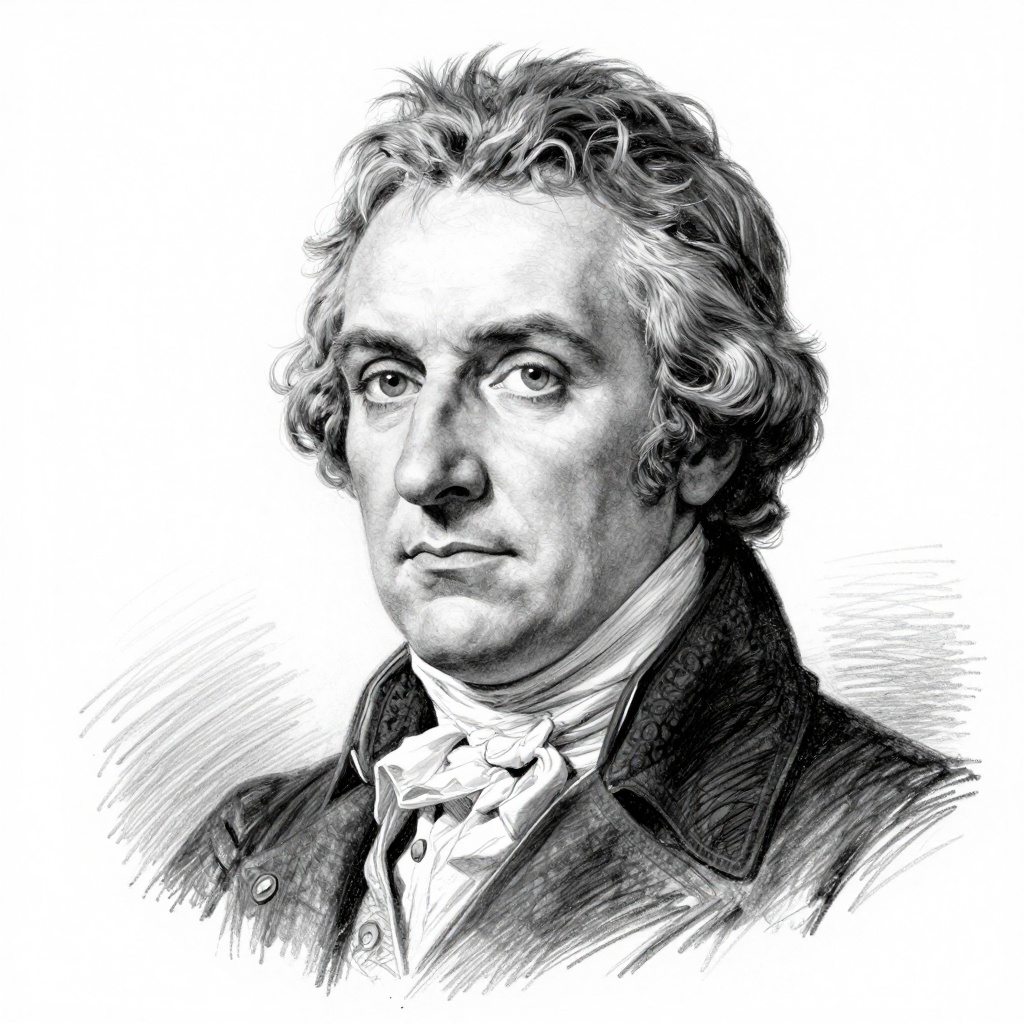
Comments