Quote · Added 14 February 2026
A leader is a dealer in hope.
No ratings yet
Filed underleader·hope·inspiration
Quote · Added 14 February 2026
Filed underleader·hope·inspiration
We tend to think of leaders as strategists or decision-makers, but there's something deeper here about what actually holds groups together. When things get uncertain or hard—whether it's a team facing layoffs, a company pivoting direction, or a family going through change—people don't just need a plan. They need to believe the plan might actually work. They need someone who can articulate a future worth moving toward, not just away from disaster.
This cuts against how we often talk about leadership. We celebrate the tough, unflinching realist who doesn't sugarcoat things. And yes, credibility matters—people can smell false hope instantly. But the difference between a leader and just someone in charge is often whether they can hold genuine optimism in the face of real obstacles. They don't deny the difficulty; they refuse to treat it as permanent. This isn't about blind positivity. It's about the willingness to look at a problem and see it as solvable, then communicating that conviction clearly enough that others start believing it too.
The tricky part is that hope requires courage from a leader. It's easier to be cynical than to stake your credibility on something uncertain. But that willingness to hope—and to share it—is what actually makes people willing to work harder, stay longer, and try harder when things get messy.
1769–1821·lived 51 years
Napoleon Bonaparte was a French military general and the first Emperor of France, reigning from 1804 to 1814. He is best known for his military conquests that expanded the French Empire and his role in the Napoleonic Wars that had a significant impact on European history.
Also by Napoleon Bonaparte
A man is respected for what he achieves, not for what he promises.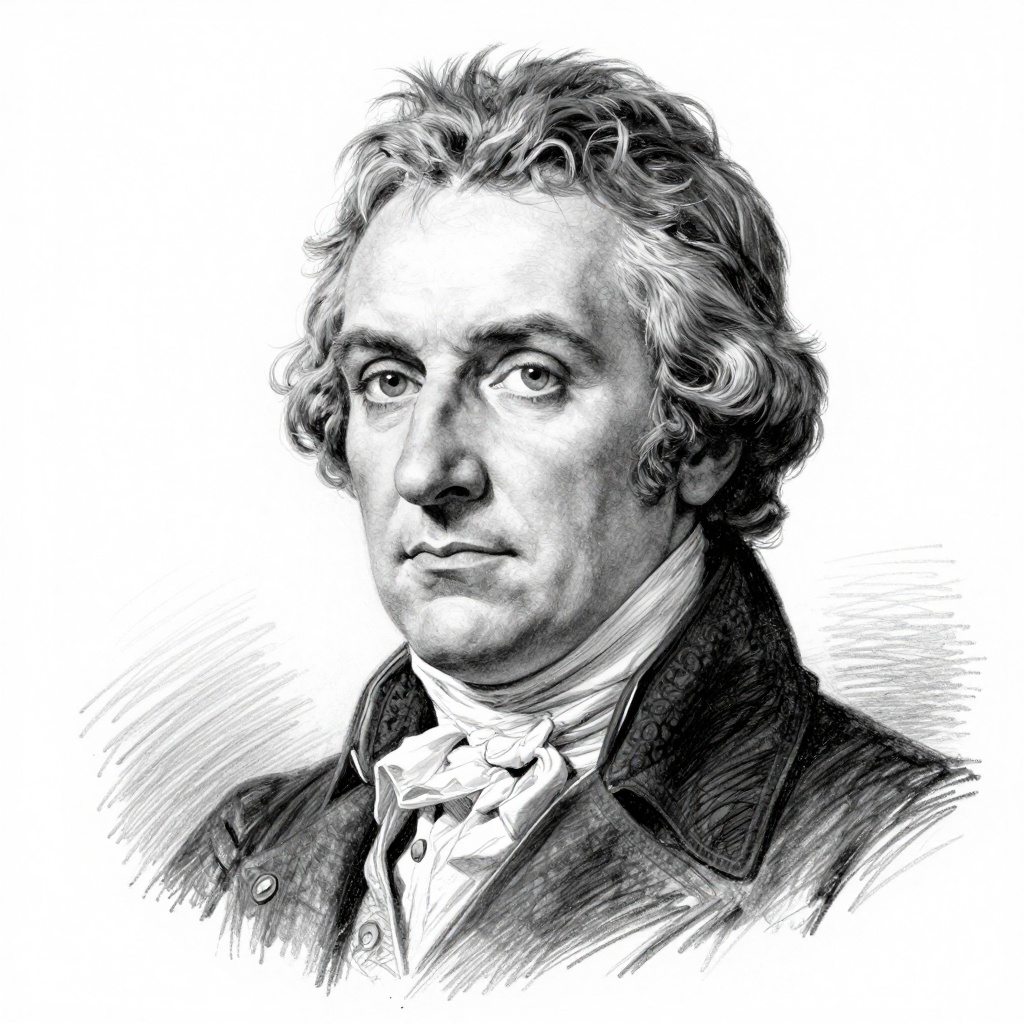
Comments